
Every garment or textile product you use starts its journey as a fabric. Before these fabrics become shirts, dresses, or home textiles, they must pass strict quality checks. But even with careful production, not every fabric is perfect. Defects can appear during knitting or weaving, dyeing, finishing, or handling. These defects can change the look, feel, or strength of the fabric. For clothing brands and textile mills, understanding fabric defects is critical. It helps control costs, reduce waste, and protect reputation.
When we talk about knit and woven fabrics, each has unique features and common defects. Sometimes, a defect is just a minor mark that most people never notice. Other times, it can ruin the entire fabric roll. In the global textile industry, even a small defect can mean big losses if not detected early. Whether you are a quality inspector, a fabric buyer, or just curious about textiles, knowing the types of fabric defects in knit and woven fabrics is essential for making smart decisions.
Let’s explore what makes a fabric defective, how these defects show up, and why they matter so much. We’ll look at common and uncommon problems, using clear examples and explanations. By the end, you’ll see fabric with new eyes—and know how to spot trouble before it becomes your problem.
What Makes A Fabric Defective?
A fabric defect is any irregularity or problem in the material that affects its appearance, performance, or value. Defects can be visible, like holes or stains, or invisible, like weak spots that cause tearing later. Some defects happen during manufacturing—from poor raw materials, machine errors, or mistakes in processing. Others occur during storage or transport.
Not all defects are the same. Some are minor and can be hidden in the final product. Others are so obvious or serious that the fabric cannot be used at all. For example, a small knot in a scarf may be ignored, but a long oil stain across a dress fabric will likely get rejected.
There are two main groups of fabric: knit fabrics and woven fabrics. Both are made differently, so their defects also differ.
Key Differences Between Knit And Woven Fabrics
Understanding the basic construction of knit and woven fabrics will help you spot why their defects look different.
- Knit fabrics are made by interlooping yarns. Imagine a series of loops like in a sweater or t-shirt.
- Woven fabrics are made by interlacing yarns at right angles—like a basket weave. Think of a classic shirt or bedsheet.
Here’s a simple comparison:
| Feature | Knit Fabric | Woven Fabric |
|---|---|---|
| Structure | Loops | Criss-cross (warp & weft) |
| Stretch | High (mostly one direction) | Low (stable) |
| Common Use | T-shirts, sportswear | Shirts, denim, suits |
| Common Defect | Drop stitches, barre | Broken ends, slubs |
Causes Of Fabric Defects
Before we dive into the details, it’s important to know why defects happen. Most defects come from one of these sources:
- Raw material issues: Poor quality yarn or fibers can cause weak spots, irregular thickness, or color problems.
- Machine or process errors: Faulty machines, incorrect settings, or operator mistakes can create repeating marks or holes.
- Finishing problems: Dyeing, printing, or chemical finishing can leave stains, uneven color, or rough textures.
- Handling and storage: Dirt, oil, or physical damage can mark or tear the fabric.
Some defects show up immediately, while others only become visible after washing or wearing the fabric.
Types Of Defects In Knit Fabrics
Knit fabrics are flexible and stretchable, but this also makes them prone to certain types of defects. Here are the most common and important ones to watch for:
1. Barre
Barre appears as horizontal bands or stripes across the fabric. These bands are usually a slightly different color or texture. Barre is most noticeable in plain fabrics, like t-shirt knits or jersey.
Causes:
- Variation in yarn quality or color
- Tension differences in knitting machines
- Mixing batches of yarn
Why it matters: Barre is hard to hide and makes the final product look uneven. It often leads to fabric rejection.
2. Drop Stitches
A drop stitch occurs when a needle misses a loop during knitting, creating a small hole or ladder effect. This can run along the length of the fabric.
Causes:
- Faulty needles or machine problems
- Yarn tension too loose or tight
- Knots or thick spots in the yarn
Why it matters: Drop stitches weaken the fabric and look like small holes or runs. In severe cases, they can unravel.
3. Press-off
Press-off is a serious defect where the fabric suddenly stops forming loops, causing a long section with missing loops. This often looks like a wide horizontal gap.
Causes:
- Yarn breaks or jams in the machine
- Machine running without yarn for a few rotations
Why it matters: Press-off usually ruins the fabric panel and causes waste.
4. Needle Lines
Needle lines are visible vertical streaks or lines that run along the length of the fabric. They appear because certain needles are misaligned or damaged.
Causes:
- Damaged or bent needles
- Dirty or sticky needle beds
Why it matters: Needle lines are visible, especially after dyeing, and lower the fabric’s grade.
5. Oil Stains
Knitting machines need oil to run smoothly. Sometimes, this oil drips onto the fabric, leaving oil stains.
Causes:
- Over-oiling machines
- Leaking or poorly maintained equipment
Why it matters: Oil stains are hard to remove and often permanent, especially on light fabrics.
6. Spirality
Spirality is when the fabric’s loops twist, making the fabric appear skewed or twisted, especially after cutting and sewing.
Causes:
- Poor machine adjustment
- Unbalanced yarn twist
Why it matters: Spirality causes garments to twist after washing, which affects fit and appearance.
7. Loop Miss
A loop miss is similar to a drop stitch but smaller. It happens when a loop is skipped, creating a tiny hole.
Causes:
- Yarn tension issues
- Defective needles
Why it matters: Loop misses can become bigger holes after washing or wearing.
8. Thick And Thin Places
Knit fabrics can have thick and thin places where the fabric is not uniform. These are caused by yarn irregularities or machine speed changes.
Causes:
- Uneven yarn thickness
- Machine speed fluctuations
Why it matters: These spots affect appearance and strength.
9. Snags
A snag happens when a sharp object pulls a yarn loop out of the fabric surface. This is common in lightweight knits.
Causes:
- Rough machine parts
- Handling with rings, nails, or tools
Why it matters: Snags look messy and can unravel if not repaired.
10. Dye Streaks
Knit fabrics often show dye streaks—areas where the color is lighter or darker in a line.
Causes:
- Uneven dyeing or chemical application
- Machine stops during dyeing
Why it matters: Streaks are highly visible and lower fabric quality.
11. Pilling
Pilling is the formation of small balls of fiber on the surface after some wear or washing.
Causes:
- Loose fiber ends
- Friction during use
Why it matters: Pilling makes fabric look old quickly, especially in sweaters or t-shirts.
12. Holes
Holes can appear anywhere due to broken yarn, poor tension, or machine faults.
Causes:
- Yarn breakage
- Sharp machine parts
Why it matters: Even small holes can make the fabric unusable.
13. Uneven Dyeing
Sometimes, knit fabrics take up dye unevenly, leading to patches of lighter or darker color.
Causes:
- Different yarn batches
- Poor pre-treatment
Why it matters: Uneven dyeing is easy to spot and often leads to rejection.
14. Crease Marks
Crease marks show up as permanent lines or ridges, especially after dyeing or finishing.
Causes:
- Folding fabric before it’s dry
- Stacking fabric too tightly
Why it matters: Creases are hard to remove and visible in the final product.
15. Birdseye
Birdseye is a small, repeated defect that looks like tiny holes or eyes in the fabric.
Causes:
- Incorrect needle selection
- Yarn irregularities
Why it matters: Birdseye defects give a spotty look, reducing fabric grade.

Credit: www.researchgate.net
Types Of Defects In Woven Fabrics
Woven fabrics are stable and strong, but they can also develop unique defects based on their construction. Here are the most common and serious ones:
1. Broken Ends Or Picks
A broken end (warp) or broken pick (weft) is when a yarn breaks and leaves a gap in the weave.
Causes:
- Weak yarn
- Machine tension too high
- Sharp or dirty machine parts
Why it matters: Gaps are visible and weaken the fabric.
2. Slubs
Slubs are thick, uneven spots in the yarn that create lumps in the fabric.
Causes:
- Poor spinning process
- Low-quality fibers
Why it matters: Slubs create an irregular texture, which can be a defect unless it’s part of the design (like in slub denim).
3. Floats
A float is when a yarn fails to interlace properly, creating a long, loose thread on the surface.
Causes:
- Faulty shedding or picking in the loom
- Sticky or rough yarn
Why it matters: Floats can snag and reduce durability.
4. Double Picks
Double picks happen when two weft yarns are inserted side by side instead of one.
Causes:
- Incorrect machine timing
- Yarn feed errors
Why it matters: Creates thick lines that stand out, especially in fine fabrics.
5. Mis-picks
A mis-pick is when a weft yarn is missing or out of order, causing a visible line or gap.
Causes:
- Machine skips a pick
- Yarn supply issues
Why it matters: Mis-picks are easy to see and lower quality.
6. Reed Marks
Reed marks appear as vertical lines caused by a fault in the loom’s reed (which beats the yarn into place).
Causes:
- Dirty or damaged reed
- Incorrect setting
Why it matters: Reed marks are visible, especially after dyeing.
7. Shade Variation
Woven fabrics can show shade variation—patches of different color.
Causes:
- Mixing yarn batches
- Uneven dyeing
Why it matters: Shade variation is hard to hide and leads to rejections.
8. Weft Curling
Weft curling is when the edges of the fabric curl due to tight weft yarns.
Causes:
- High weft tension
- Improper finishing
Why it matters: Curling makes cutting and sewing difficult.
9. Bowing
Bowing means that the weft yarns curve across the fabric instead of being straight.
Causes:
- Tension issues
- Uneven winding
Why it matters: Bowing causes pattern distortion in garments.
10. Skew
Skew is when the weft yarns run at an angle, not at 90° to the warp.
Causes:
- Poor winding or finishing
- Machine misalignment
Why it matters: Skewed fabric twists in garments and is hard to cut.
11. Foreign Yarn
Sometimes, a yarn of the wrong color or fiber type is woven into the fabric.
Causes:
- Machine contamination
- Poor cleaning
Why it matters: Foreign yarns show up as colored specks or lines.
12. Oil Or Stain Marks
Woven fabrics can pick up oil or stain marks from machines or handling.
Causes:
- Over-oiled looms
- Dirty storage
Why it matters: Stains are usually permanent and lower value.
13. Holes
Holes can appear from broken yarns, sharp loom parts, or handling mistakes.
Causes:
- Yarn breakage
- Mechanical damage
Why it matters: Even small holes usually mean rejection.
14. Uneven Density
Sometimes, the fabric is denser in some places and looser in others.
Causes:
- Tension issues
- Poor yarn quality
Why it matters: Affects appearance and strength.
15. End Out
An end out occurs when a warp yarn is missing, leaving a vertical gap.
Causes:
- Yarn breakage
- Not replaced during weaving
Why it matters: End outs are visible and weaken the fabric.
16. Snarl
A snarl is a twisted or tangled group of fibers or yarns in the fabric.
Causes:
- Yarn tension variation
- Handling errors
Why it matters: Snarls create lumps and weaken the structure.
17. Cut Selvage
The selvage is the edge of woven fabric. If it is cut or damaged, the fabric can fray.
Causes:
- Poor cutting
- Machine faults
Why it matters: Cut selvages reduce usable width.
18. Start Marks
When a loom stops and starts again, a start mark can form—a visible horizontal line.
Causes:
- Machine stops and restarts
- Tension change
Why it matters: Start marks are often visible after dyeing.
19. Water Spots
Water spots show as lighter or darker patches, often from spilled water during finishing.
Causes:
- Wet processing accidents
- Incomplete drying
Why it matters: Water spots are permanent and visible.
20. Lint
Lint is small fiber debris trapped in the fabric.
Causes:
- Poor cleaning
- Static electricity
Why it matters: Lint gives a dirty look, especially on dark fabrics.
Comparing Knit And Woven Fabric Defects
Some defects are unique to knits or wovens; others appear in both. Here’s a quick comparison for clarity:
| Defect | Knit Fabrics | Woven Fabrics |
|---|---|---|
| Barre | Common | Rare |
| Drop Stitches | Frequent | Not Possible |
| Broken Ends/Picks | Not Present | Frequent |
| Slubs | Possible | Common |
| Oil Stains | Common | Common |
| Pilling | Frequent | Possible |
| Bowing/Skew | Possible | Frequent |
| Dye Streaks | Common | Possible |
How To Detect And Prevent Fabric Defects
Spotting defects quickly is vital for quality control. Here are practical tips:
- Visual inspection: Trained inspectors check fabric rolls under good lighting. Some defects are easy to see, others need magnification.
- Automatic scanners: Modern mills use cameras and sensors to catch defects as fabric comes off the machine.
- Testing: For hidden defects, like weak spots, fabric is tested for strength, stretch, and colorfastness.
- Process control: Keeping machines clean, using quality yarn, and regular maintenance prevent many problems.
Non-obvious insight: Not all defects are visible right away. Some, like spirality or pilling, only show after washing or wearing. For export-quality fabrics, lab testing and trial washes are done before shipping.
How Fabric Defects Impact Business
Defects have a big impact on the textile industry:
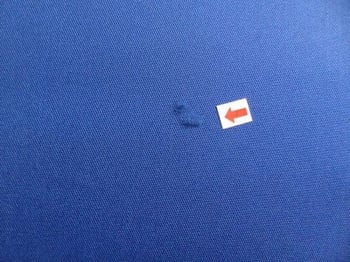
- Rejections and waste: Buyers may reject entire fabric lots due to visible defects.
- Extra costs: Defects lead to repair, re-dyeing, or replacement costs.
- Brand reputation: Repeated defects can damage trust with buyers.
- Legal issues: If defects are hidden and cause product failures, legal claims may follow.
Key tip: For brands, it’s better to invest in quality control early than to risk costly recalls or lost customers later.
Credit: www.intouch-quality.com
Real-world Examples And Data
Some defects are so common they have industry averages. For example, studies show that:
- Around 5–10% of knit fabrics may have barre or dye streaks before sorting.
- Pilling affects up to 15% of cotton knits after 10 washes.
- In woven denim, broken ends account for 30% of all defects found during inspection.
According to the American Association of Textile Chemists and Colorists (AATCC), fabric defects are a leading cause of claims and disputes in textile trade. This proves how serious even a small defect can be.
For deeper technical details, you can visit the Wikipedia: Fabric defect page, which offers advanced classifications and research references.
Why Some Defects Go Unnoticed
Not all defects are caught before fabric leaves the mill. Why? Here are two insights beginners often miss:
- Defect size and location matter: A small hole at the edge may be cut away and never used, while the same hole in the center ruins the fabric.
- Defect visibility changes after processing: Some marks, like oil or crease lines, only appear after dyeing, finishing, or washing—so early inspection isn’t always enough.
Credit: www.intouch-quality.com
Best Practices For Minimizing Fabric Defects
If you are in the textile industry, here are proven tips to reduce defects:
- Train staff well: Skilled operators and inspectors spot and fix problems early.
- Keep machines clean: Regular oiling and maintenance prevent stains and breaks.
- Use quality yarn: Cheap or mixed yarns cause most visible and invisible defects.
- Test batches: Try dyeing or finishing on a sample before running the full lot.
- Document defects: Keep records to trace back problems and fix root causes.
Frequently Asked Questions
What Is The Difference Between A Major And Minor Fabric Defect?
A major defect is easily visible and affects the fabric’s use or appearance, such as a hole, oil stain, or large color streak. These usually lead to rejection. A minor defect is small, less visible, and does not impact the main use—like a tiny slub at the edge. Minor defects may be accepted or hidden during cutting.
Can Fabric Defects Be Repaired?
Some defects, like snags or small holes, can be repaired by skilled workers. Others, such as large oil stains, dye streaks, or barre, are almost impossible to fix and usually lead to rejection or downgraded use (e. g. , for linings).
Are Knit Fabrics More Prone To Defects Than Woven Fabrics?
Knit fabrics are generally more flexible but can show more surface defects such as barre, drop stitches, and spirality. Wovens are more stable but are prone to structural defects like broken ends, mis-picks, and skew. The risk depends on the quality of yarn, machine condition, and production process.
How Are Fabric Defects Measured Or Graded?
Fabric defects are measured using 4-point, 10-point, or other grading systems, which assign points based on defect size and severity. The total points per unit area (e.g., per 100 square yards) decide if fabric is first quality or seconds. Factories keep strict records for each batch.
What Happens To Defective Fabrics?
Defective fabrics may be downgraded for lower-quality products, sold at a discount, recycled, or sometimes destroyed if the defects are too severe. Some creative brands use slightly defective fabrics for eco-friendly or “upcycled” collections.
—
Understanding the many types of fabric defects in knit and woven fabrics is the key to quality, value, and trust in textiles. Whether you work in a mill, buy fabrics, or just love textiles, being able to spot and understand defects will set you apart. Quality starts long before a garment reaches a store—it starts with the fabric itself.