
Garment Fabric Types And Their Properties For Export
Exporting garments is a massive global industry. The key to success often lies in choosing the right fabric for each garment. Different countries, climates, and customer preferences require specific fabric types with unique properties. Understanding these fabrics and their characteristics is essential for anyone involved in garment production or export. This guide explores the major garment fabric types used in exports, their properties, practical uses, and what makes each fabric suitable for international markets.
Why Fabric Selection Matters In Garment Export
The choice of fabric affects everything: how a garment looks, feels, lasts, and performs. For exporters, selecting the wrong fabric can lead to poor reviews, returns, and loss of trust with buyers. For example, a cotton T-shirt might sell well in the US, but in the Middle East, lightweight and moisture-wicking fabrics are often preferred.
Many countries have strict regulations about fabric content, safety, and sustainability. Exporters must know the properties and certifications of each fabric type. A deep understanding of garment fabric types helps exporters match their products to the needs of each market and avoid costly mistakes.
Main Garment Fabric Types For Export
Let’s look at the most important fabric types used in garment export, their properties, and their best uses.
1. Cotton
Cotton is the world’s most widely used natural fiber in garments. It’s valued for its comfort, breathability, and versatility.
Properties:
- Soft texture
- Highly absorbent
- Good breathability
- Hypoallergenic (rarely causes allergies)
- Strong when wet
Export Uses: T-shirts, shirts, dresses, children’s wear, undergarments, casual wear.
Tips: Cotton can shrink after washing. For export, pre-shrunk or mercerized cotton is often preferred. Organic cotton is in high demand for eco-friendly markets.
2. Polyester
Polyester is the most popular synthetic fiber in garments. It’s made from petroleum-based products and is known for its strength and durability.
Properties:
- High tensile strength
- Resists wrinkles and shrinking
- Quick-drying
- Holds color well
- Less absorbent than cotton
Export Uses: Sportswear, activewear, outerwear, fashion garments, blended fabrics.
Tips: Many markets prefer polyester blends (like poly-cotton) for improved comfort. Recycled polyester is gaining popularity for sustainability.
3. Viscose (rayon)
Viscose, also called rayon, is a semi-synthetic fiber made from wood pulp. It combines natural feel with the affordability of synthetics.
Properties:
- Soft and drapey
- Highly absorbent
- Cool and comfortable
- Prone to wrinkling
- Weak when wet
Export Uses: Dresses, blouses, linings, scarves, summer wear.
Tips: Viscose wrinkles easily. Many exporters blend it with polyester for better performance.
4. Linen
Linen is made from the flax plant. It’s one of the oldest known textiles, valued for its coolness and strength.
Properties:
- Excellent breathability
- High moisture-wicking
- Naturally antibacterial
- Wrinkles easily
- Strong fiber
Export Uses: Summer suits, shirts, dresses, trousers, home textiles.
Tips: Linen garments should be clearly labeled as “wrinkle-prone” for markets expecting smooth finishes.
5. Wool
Wool comes from sheep and other animals. It’s a premium fiber for warmth and comfort.
Properties:
- Excellent insulation
- Absorbs moisture without feeling wet
- Elastic and resilient
- Flame resistant
- Can cause itching
Export Uses: Sweaters, coats, suits, scarves, socks.
Tips: Fine wool (like Merino) is softer and less itchy, which is preferred in high-end markets. Always check for moth-proofing in export documentation.
6. Silk
Silk is a luxury natural fiber from silkworms. It’s prized for its beauty and comfort.
Properties:
- Very soft and smooth
- Shiny appearance
- Strong (for its weight)
- Excellent drape
- Sensitive to sunlight and sweat
Export Uses: Dresses, blouses, scarves, ties, lingerie.
Tips: Real silk is often blended with cotton or polyester for cost and durability. Many countries require clear labeling of silk percentage.
7. Nylon
Nylon is a tough, lightweight synthetic fiber. It’s widely used for performance garments.
Properties:
- Very strong
- Abrasion-resistant
- Quick-drying
- Elastic
- Low moisture absorbency
Export Uses: Sportswear, outerwear, hosiery, swimwear, bags.
Tips: Nylon garments can develop static. Many exporters use anti-static finishes.
8. Spandex (elastane, Lycra)
Spandex is famous for stretch. It’s always blended with other fibers.
Properties:
- Extreme elasticity
- Lightweight
- Durable
- Resistant to sweat and body oils
Export Uses: Activewear, yoga pants, leggings, swimwear, underwear.
Tips: Even 2-5% spandex in a blend can improve comfort and fit. Overuse of spandex can make garments feel too tight.
9. Acrylic
Acrylic is a synthetic fiber often used as a wool substitute.
Properties:
- Soft and warm
- Lightweight
- Colorfast
- Resists moths
- Pills easily (forms small balls on surface)
Export Uses: Sweaters, hats, scarves, blankets.
Tips: Blending acrylic with wool or polyester improves performance and reduces pilling.
10. Modal
Modal is a type of rayon made from beech trees. It’s valued for softness.
Properties:
- Very soft and silky
- Absorbent
- Good drape
- Shrink and pill resistant
Export Uses: T-shirts, underwear, loungewear, bed sheets.
Tips: Modal is often blended with cotton for a luxury feel at lower cost.
11. Denim
Denim is a heavy cotton twill, famous for jeans.
Properties:
- Very strong
- Durable
- Distinctive diagonal weave
- Holds dye well
- Stiff at first, softens with wear
Export Uses: Jeans, jackets, skirts, workwear.
Tips: Pre-washed and pre-shrunk denim is best for export. Some markets prefer “raw” denim for custom fading.
12. Chiffon
Chiffon is a lightweight, sheer fabric made from silk, polyester, or nylon.
Properties:
- Soft and transparent
- Excellent drape
- Delicate texture
- Prone to snagging
Export Uses: Evening wear, dresses, scarves, blouses.
Tips: Chiffon garments must be carefully packed for export to avoid damage.
13. Georgette
Georgette is similar to chiffon but slightly heavier and less sheer.
Properties:
- Crinkled texture
- Good drape
- Slightly rough surface
- Resistant to wrinkles
Export Uses: Dresses, sarees, blouses, gowns.
Tips: Georgette blends are popular for durability and easy care.
14. Satin
Satin is a weave, not a fiber. It’s known for its glossy surface and luxurious feel. Made from silk or synthetics.
Properties:
- Smooth and shiny face
- Drapes beautifully
- Slippery texture
- Can snag easily
Export Uses: Evening dresses, lingerie, linings, accessories.
Tips: Synthetic satin is cheaper and more durable than silk satin for export.
15. Fleece
Fleece is a synthetic knit fabric, usually made from polyester.
Properties:
- Very soft and warm
- Good insulation
- Lightweight
- Dries quickly
- Pills with heavy use
Export Uses: Jackets, sweatshirts, blankets, sportswear.
Tips: Exporters often use anti-pilling fleece for better durability.
16. Canvas
Canvas is a strong, heavy cotton or linen fabric.
Properties:
- Durable and sturdy
- Holds shape well
- Resistant to tearing
- Can be water-resistant when treated
Export Uses: Bags, shoes, jackets, workwear, outdoor gear.
Tips: Treated canvas (waxed or coated) is preferred for outdoor and export uses.
17. Taffeta
Taffeta is a crisp, smooth woven fabric made from silk or synthetics.
Properties:
- Crisp texture
- Lustrous finish
- Holds shape well
- Makes a rustling sound
Export Uses: Evening gowns, dresses, linings, costumes.
Tips: Synthetic taffeta is cheaper and more stable in humidity than silk taffeta.
18. Jersey
Jersey is a soft, stretchy knit fabric, made from cotton, wool, or synthetics.
Properties:
- Soft and flexible
- Good stretch
- Comfortable against skin
- Good drape
Export Uses: T-shirts, dresses, underwear, sportswear.
Tips: Cotton jersey is popular for comfort, while synthetic jersey is used in activewear.
19. Velvet
Velvet is a soft, luxurious fabric with a dense pile. Made from silk, cotton, or synthetics.
Properties:
- Soft and plush texture
- Rich appearance
- Good drape
- Collects lint and dust easily
Export Uses: Evening wear, blazers, dresses, upholstery.
Tips: Synthetic velvet is more durable for export. Velvet should be packed carefully to prevent crushing the pile.
20. Organza
Organza is a stiff, sheer fabric, usually made from silk or polyester.
Properties:
- Very lightweight
- Stiff and crisp
- Transparent
- Holds shape
Export Uses: Bridal wear, evening wear, decorations.
Tips: Synthetic organza is more popular for export due to cost and durability.
—
Credit: expo.gatech.edu
Comparing Fabric Properties For Export
Here’s a comparison of key properties for the top export fabrics:
| Fabric | Breathability | Durability | Wrinkle Resistance | Common Use |
|---|---|---|---|---|
| Cotton | High | Medium | Low | T-shirts, casuals |
| Polyester | Low | High | High | Sportswear, blends |
| Linen | Very High | High | Low | Summer wear |
| Wool | Medium | High | Medium | Winter wear |
| Silk | High | Medium | Low | Luxury wear |
| Denim | Low | Very High | Medium | Jeans, jackets |
Natural Vs. Synthetic Fabrics
Understanding the difference between natural and synthetic fabrics is important for exporters. Each has advantages and challenges.
Natural Fabrics
These come from plants or animals. Examples: cotton, linen, wool, silk.
- Advantages: Breathable, comfortable, biodegradable, often preferred for luxury or eco-friendly markets.
- Challenges: Can wrinkle, may shrink, usually more expensive.
Synthetic Fabrics
These are made from chemicals, usually petroleum-based. Examples: polyester, nylon, acrylic, spandex.
- Advantages: Durable, wrinkle-resistant, often cheaper, easy to wash and care for.
- Challenges: Less breathable, not biodegradable, can cause static.
Semi-synthetic Fabrics
Made from natural raw materials but processed with chemicals. Examples: viscose, modal.
- Advantages: Soft, affordable, good drape.
- Challenges: May wrinkle, not as strong as pure synthetics.
Common Fabric Blends In Export Garments
Blending different fibers combines their best properties. Here are some popular export blends:
- Poly-cotton (Polyester + Cotton): Strong, wrinkle-resistant, comfortable. Used in shirts, uniforms.
- Cotton-viscose: Soft, absorbent, more affordable. Used in dresses, blouses.
- Wool-acrylic: Warm, lightweight, less expensive than pure wool. Used in sweaters.
- Nylon-spandex: Stretchy, strong. Used in sportswear, swimwear.
- Modal-cotton: Silky, absorbent, durable. Used in underwear, T-shirts.
Exporters should always mention the blend ratio (e. g. , 60% cotton, 40% polyester) in product details.
Key Export Markets And Fabric Preferences
Different countries have different climate, culture, and fashion needs. Here are some insights:
United States
- Cotton is king for T-shirts, denim, underwear.
- Polyester blends popular for performance wear.
- Sustainability is growing; organic and recycled fibers are in demand.
European Union
- Natural fibers like linen and organic cotton are preferred in summer.
- Wool is popular for winter.
- Strict regulations on chemicals and labeling.
Middle East
- Lightweight, breathable fabrics like cotton, viscose, linen.
- Modest fashion requires opaque and drapey textiles.
Japan And South Korea
- High demand for innovative, functional fabrics (moisture-wicking, anti-odor).
- Cotton-polyester blends are common.
Africa
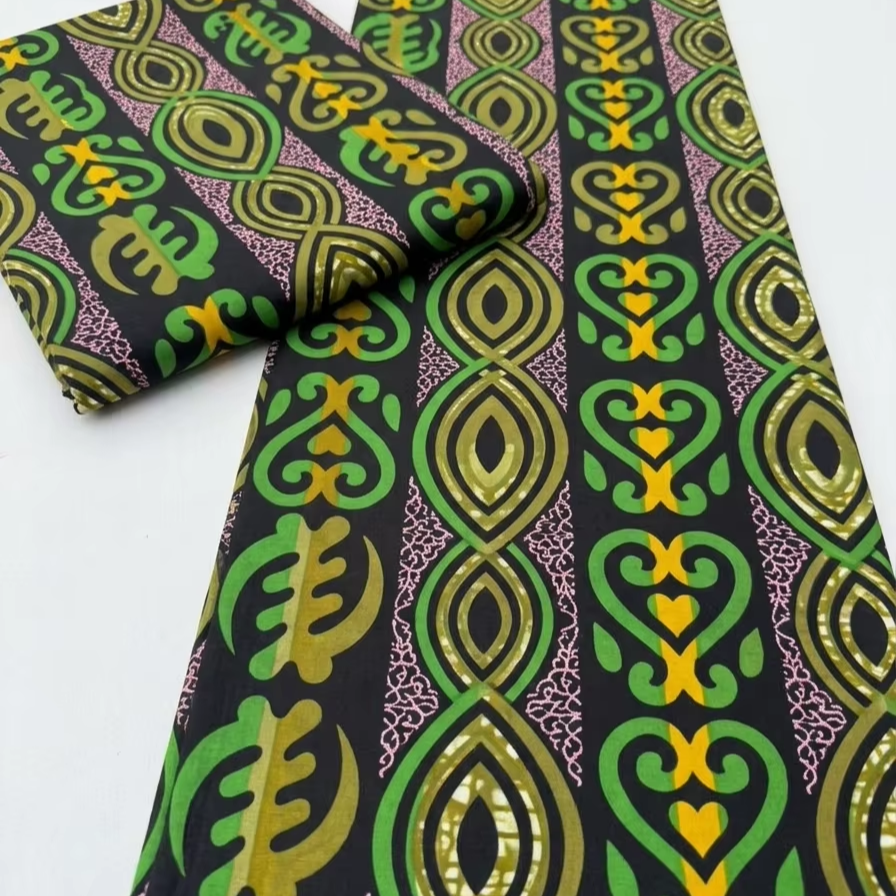
- Bright prints on cotton or polyester.
- Fabric must be durable for local washing conditions.
Pro Tip: Always check buyer specifications and local regulations before choosing fabrics for export.
Finishing And Treatments For Export Fabrics
To improve performance, many fabrics go through finishing processes. These are especially important for export, where garments must survive long shipping and harsh climates.
- Pre-shrinking: Reduces shrinkage after washing.
- Mercerization: Gives cotton a shiny, stronger finish.
- Anti-pilling: Helps synthetic knits last longer.
- Moisture-wicking: Draws sweat away from the body (important for sportswear).
- UV Protection: Added to outdoor garments.
- Anti-microbial: Reduces odor and bacteria, used in socks and underwear.
- Stain resistance: Popular for uniforms and kids’ clothes.
Exporters should mention these finishes in product details to meet buyer expectations.
Sustainability And Certifications
Sustainability is now a top concern for many international buyers. Exporters should know about key certifications and eco-friendly options:
- GOTS (Global Organic Textile Standard): For organic cotton and wool.
- OEKO-TEX Standard 100: Ensures textiles are safe from harmful chemicals.
- Recycled polyester: Made from used plastic bottles.
- Bamboo viscose: Grows fast and uses less water.
Some buyers will only accept certified fabrics. Always keep documentation ready.
Common Mistakes Exporters Make With Fabrics
- Ignoring climate: Sending heavy synthetics to hot countries leads to poor sales.
- Wrong labeling: Not listing blend ratios or finishes can result in returns.
- Ignoring local washing habits: Some markets wash in cold water only; some use harsh detergents.
- Shipping untreated fabrics: Without anti-mold or anti-bacterial finishes, fabrics can spoil during long sea shipments.
- Missing certification: Lack of required documents can block goods at customs.
Insider Tip: Always send fabric swatches to buyers for approval before starting full production.
Practical Tips For Exporters Choosing Fabrics
- Research the target market’s climate, culture, and regulations.
- Choose blends for balance: Pure synthetics may not always be best.
- Ask buyers about required certifications and finishes.
- Test wash and wear samples: This avoids surprises.
- Label clearly: Include fiber content, care instructions, and country of origin.
Credit: sjzfabric.com
Data Snapshot: Top Export Fabrics By Country
Here’s how leading garment-exporting countries focus on different fabrics (data based on 2023 reports):
| Country | Main Export Fabrics | Special Notes |
|---|---|---|
| China | Polyester, cotton, blends | Largest exporter, strong in synthetics |
| Bangladesh | Cotton, denim | World’s top denim exporter |
| India | Cotton, silk, blends | Leading in natural and handloom textiles |
| Vietnam | Poly-cotton, synthetics | Focus on fast fashion |
| Turkey | Cotton, blends | Strong in European market |
For more detailed and updated statistics, visit the Textile Industry Wikipedia page.
Frequently Asked Questions
What Is The Most Popular Fabric For Export Garments?
Cotton is the most popular due to its comfort, versatility, and wide acceptance in many countries. However, blends like poly-cotton are also very common, especially for durability and lower cost.
How Do I Choose The Right Fabric For A Specific Export Market?
Study the target country’s climate, culture, and regulations. For hot climates, choose breathable fabrics like cotton or linen. For cold climates, wool and fleece are better. Always check for any restrictions or certification requirements.
What Are The Main Differences Between Natural And Synthetic Fabrics?
Natural fabrics (like cotton, linen, wool, silk) are comfortable and breathable but can wrinkle and shrink. Synthetic fabrics (like polyester, nylon, acrylic) are durable, wrinkle-resistant, and often cheaper, but may not be as comfortable in hot climates.
Why Are Fabric Blends Used In Garment Exports?
Blends combine the best properties of each fiber. For example, poly-cotton is both strong and comfortable. Blends can improve durability, reduce cost, and give garments special features like stretch or moisture-wicking.
What Certifications Are Important For Exporting Garment Fabrics?
Key certifications include GOTS for organic, OEKO-TEX for chemical safety, and documents for recycled content. These build trust with buyers and are sometimes required by law in import countries.
—
Choosing the right garment fabric types for export is both an art and a science. Every market has unique needs, and every fabric comes with its own strengths and challenges. By understanding the properties and best uses of each fabric, exporters can deliver quality garments, meet buyer expectations, and build a lasting reputation in the global marketplace.
Credit: www.alibaba.com