
The world of clothing is rich and diverse, but at its core, everything comes down to fabric. Fabric is what gives a garment its look, feel, and function. Whether you are shopping for a new shirt, designing your own collection, or simply want to understand your wardrobe better, knowing the common fabric types used in knit and woven garments can help you make smarter choices. Each fabric has its own story, texture, and best use. But many people miss the subtle differences between fibers, weaves, and knits, or why one fabric feels soft while another feels stiff. Let’s uncover what makes each fabric special, explore their strengths and weaknesses, and learn how to spot the right material for every occasion.
The Basics: Knit Vs. Woven Fabrics
Before diving into specific fabric types, it’s important to understand the difference between knit and woven fabrics. These two methods create most of the clothes we wear, but they have major differences.
Knit fabrics are made by interlooping yarns, creating a material that stretches easily. Think of your favorite T-shirt or sweatshirt — these are usually knits. The loops let the fabric move and fit comfortably.
Woven fabrics are made by interlacing two sets of yarns at right angles (like a basket). These fabrics are generally stronger and less stretchy. Most dress shirts, trousers, and jeans use woven fabric.
Knowing whether a garment is knit or woven helps you predict how it will behave. Knits are flexible and fit close to the body, while wovens are stable and hold their shape.
Most Common Knit Fabric Types
The knit world is broad, but some fabrics stand out because of their popularity, feel, and performance.
1. Jersey
Jersey is the king of knit fabrics, famous for its use in T-shirts, dresses, and underwear. It’s made with a single set of needles, creating a smooth face and a slightly textured back.
- Feel: Soft, flexible, comfortable
- Strengths: Drapes well, lightweight, easy to sew
- Typical fibers: Cotton, polyester, blends
Most basic T-shirts are made from cotton jersey. The fabric’s stretch comes from its knit structure, not elastic fibers. One thing beginners often miss: jersey can curl at the edges, making it tricky to cut and sew without practice.
2. Rib Knit
Rib knit has raised lines (ribs) that run vertically. It’s used for cuffs, neckbands, and sometimes whole garments.
- Feel: Stretchy, with a “bumpy” texture
- Strengths: Holds shape well, stretches both ways, snaps back easily
- Typical fibers: Cotton, wool, synthetic blends
Rib knit is ideal for areas that need to stretch and return to shape, like the waistband of a sweatshirt. Unlike plain jersey, it’s rarely used for the whole garment, except for tight tops or beanies.
3. Interlock
Interlock knit is like two jerseys knitted together. This makes it thicker, smoother, and more stable.
- Feel: Soft, thick, doesn’t curl at edges
- Strengths: Good for baby clothes, t-shirts, dresses needing more body
- Typical fibers: Cotton, bamboo, blends
Because it is less likely to curl or stretch out, interlock is beginner-friendly for sewing. It also gives a smoother finish to printed designs.
4. Fleece
Fleece is a knit fabric with a brushed, fuzzy surface on one or both sides. It’s popular in sweatshirts, hoodies, jackets, and blankets.
- Feel: Warm, soft, plush
- Strengths: Excellent for cold weather, lightweight but insulating
- Typical fibers: Polyester, cotton blends
Not all fleece is the same. High-quality fleece resists pilling (those little balls that form after washing), but cheaper types pill easily.
5. French Terry
French terry is similar to fleece but has loops on one side and a smooth surface on the other. It’s lighter than fleece and often used for sweatshirts and casual wear.
- Feel: Soft, moisture-absorbent, midweight
- Strengths: Breathable, comfortable for loungewear
- Typical fibers: Cotton, rayon blends
Unlike towel terry, French terry is thinner and less bulky, making it perfect for layering or wearing year-round.
6. Ponte (ponte Di Roma)
Ponte is a double-knit fabric, meaning it’s made with two sets of yarns. The result is a thick, stable, and slightly stretchy material.
- Feel: Firm, smooth, heavier than jersey
- Strengths: Holds shape, hides body lines, resists wrinkles
- Typical fibers: Polyester, rayon, spandex blends
Ponte is a favorite for structured pants, dresses, and blazers. It combines comfort and polish, making it popular in office wear.
7. Mesh
Mesh knit is open and see-through, with holes between the yarns. It’s found in sportswear, jerseys, and linings.
- Feel: Lightweight, breathable, slightly rough
- Strengths: Excellent ventilation, dries quickly
- Typical fibers: Polyester, nylon
Mesh is not just for athletic use. Fashion designers often use it for layering or adding texture to garments.
8. Sweatshirt Knit
This fabric looks like jersey on the outside and has soft loops or fleece on the inside. It is used for sweatshirts and casual pants.
- Feel: Smooth outside, soft inside
- Strengths: Comfortable, warm, durable
- Typical fibers: Cotton, polyester blends
Many people confuse this with fleece, but sweatshirt knit is often heavier and less fluffy.
9. Velour
Velour is a plush knit fabric with a short, soft pile, similar to velvet but with more stretch.
- Feel: Soft, luxurious, stretchy
- Strengths: Adds a rich look, comfortable for loungewear
- Typical fibers: Cotton, polyester blends
Velour tracksuits became a fashion trend for their comfort and shine. However, velour is not as durable as some other knits and can wear thin over time.
10. Spandex/lycra Knit
Spandex (also called Lycra or elastane) is often blended with other fibers to make stretchy knit fabrics, especially for activewear and underwear.
- Feel: Extremely stretchy, smooth
- Strengths: Fits close to the body, moves with you, returns to shape
- Typical fibers: Blends with nylon, polyester, cotton
Spandex fabric is key for leggings, swimsuits, and sports bras. One tip: pure spandex is rarely used alone — it’s almost always mixed with other fibers.
Most Common Woven Fabric Types
Woven fabrics are everywhere: from crisp shirts to sturdy jeans. Each type has its own weaving pattern, fiber content, and ideal use.
1. Poplin
Poplin is a plain weave fabric with fine, closely packed yarns. It’s used in shirts, dresses, and lightweight jackets.
- Feel: Smooth, cool, crisp
- Strengths: Breathable, holds shape, easy to iron
- Typical fibers: Cotton, polyester, blends
Poplin is great for summer wear due to its lightness, but it can wrinkle easily.
2. Twill
Twill fabric is easy to spot: it has diagonal lines (called wales) on its surface. Famous examples include denim and chino.
- Feel: Sturdy, slightly textured
- Strengths: Durable, resists wrinkles, hides stains well
- Typical fibers: Cotton, wool, polyester
Twill is chosen for trousers, jeans, and workwear. The diagonal structure gives it more strength than plain weaves.
3. Denim
Denim is a specific type of cotton twill, where the warp yarns are dyed blue and the weft yarns are left white.
- Feel: Heavy, firm, gets softer with wear
- Strengths: Very durable, iconic look, ages well
- Typical fibers: Cotton, sometimes with stretch fibers
Denim’s popularity is unmatched for jeans, jackets, and skirts. It’s worth noting that real denim fades over time, giving each garment a unique look.
4. Satin
Satin is not a fiber, but a weave that creates a smooth, shiny surface on one side.
- Feel: Silky, glossy, drapes well
- Strengths: Luxurious look, good for evening wear and linings
- Typical fibers: Silk, polyester, acetate
Satin is often confused with silk, but the shine comes from the weave, not the fiber. Synthetic satins are more affordable but may snag easily.
5. Crepe
Crepe is a fabric with a crinkled, textured surface. It can be made from different fibers and is popular in dresses and blouses.
- Feel: Slightly rough, lightweight to medium weight
- Strengths: Doesn’t wrinkle easily, flows beautifully
- Typical fibers: Silk, polyester, wool
Crepe’s subtle texture hides wrinkles and gives clothes a graceful, moving look.
6. Chiffon
Chiffon is a sheer, lightweight woven fabric. It’s common in eveningwear, scarves, and blouses.
- Feel: Soft, see-through, slightly rough
- Strengths: Flows gently, layers well, elegant
- Typical fibers: Silk, polyester, nylon
Chiffon can be hard to sew because it slips easily. It’s best for garments that need to float and drape.
7. Organza
Organza is a stiff, sheer woven fabric used to add shape or layers to dresses.
- Feel: Crisp, see-through, holds shape
- Strengths: Adds volume, perfect for formal wear
- Typical fibers: Silk, polyester, nylon
Organza is often used in wedding dresses and evening gowns to create a dramatic silhouette.
8. Canvas
Canvas is a heavy, plain-weave fabric. It’s used for bags, jackets, shoes, and sometimes workwear.
- Feel: Rough, thick, strong
- Strengths: Very durable, withstands wear and tear
- Typical fibers: Cotton, linen, synthetic blends
Canvas is not usually chosen for delicate garments but is perfect for items that need to last.
9. Linen
Linen is made from the flax plant. It’s known for its breathability and coolness in hot climates.
- Feel: Crisp, cool, gets softer with use
- Strengths: Absorbs moisture, quick-drying, eco-friendly
- Typical fibers: Pure linen
Linen wrinkles easily, but many see this as part of its charm. It’s a top pick for summer clothes.
10. Broadcloth
Broadcloth is a tightly woven, smooth fabric. It’s a favorite for dress shirts and blouses.
- Feel: Soft, lightweight, smooth
- Strengths: Formal appearance, takes dye well
- Typical fibers: Cotton, polyester
Broadcloth’s close weave gives it a crisp, clean look, but it can show sweat marks more than heavier fabrics.
11. Flannel
Flannel is a soft, warm fabric, often brushed to create a fuzzy surface. It’s used for shirts, pajamas, and winter wear.
- Feel: Soft, cozy, slightly fuzzy
- Strengths: Warm, comfortable, absorbs moisture
- Typical fibers: Cotton, wool, synthetic blends
Flannel’s warmth makes it a staple for cold weather. One thing to note: good-quality flannel resists pilling better.
12. Gabardine
Gabardine is a tightly woven twill fabric, often used in suits and trousers.
- Feel: Smooth, firm, slightly shiny
- Strengths: Durable, resists wrinkles, holds shape
- Typical fibers: Wool, cotton, blends
Gabardine is perfect for tailored garments that need structure and polish.
13. Taffeta
Taffeta is a crisp, smooth fabric with a slight sheen. It’s used for evening dresses, linings, and costumes.
- Feel: Crisp, smooth, rustles when moved
- Strengths: Holds shape, takes color well, formal look
- Typical fibers: Silk, polyester
Taffeta’s stiffness can be uncomfortable if worn against the skin, but it creates beautiful shapes in gowns.
14. Chambray
Chambray looks like denim but is lighter and softer. It’s great for shirts, dresses, and summer wear.
- Feel: Soft, smooth, lightweight
- Strengths: Breathable, casual, easy to wear
- Typical fibers: Cotton
Chambray is a good alternative to denim when you want the look but not the weight.
15. Seersucker
Seersucker has a puckered, bumpy texture. It’s famous for summer suits and shirts.
- Feel: Crinkled, cool, lightweight
- Strengths: Doesn’t cling, lets air circulate, hides wrinkles
- Typical fibers: Cotton, blends
Seersucker is comfortable in heat and doesn’t need ironing — a big plus for summer travel.
Natural Vs. Synthetic Fibers
Most fabrics are made from either natural fibers (like cotton, wool, silk, linen) or synthetic fibers (like polyester, nylon, acrylic, spandex). Each has strengths and weaknesses.
| Fiber Type | Strengths | Weaknesses | Common Uses |
|---|---|---|---|
| Cotton | Soft, breathable, absorbs moisture | Wrinkles, can shrink | T-shirts, jeans, shirts |
| Polyester | Strong, resists wrinkles, dries fast | Can feel less breathable | Activewear, linings, blends |
| Wool | Warm, insulates well, resists odors | Can itch, shrinks if washed wrong | Sweaters, suits, coats |
| Silk | Luxurious, shiny, drapes well | Expensive, delicate | Dresses, ties, scarves |
| Rayon | Soft, drapes well, takes dye | Weak when wet, wrinkles | Dresses, blouses, linings |
Natural fibers are usually more comfortable and eco-friendly, while synthetics offer durability, stretch, and easy care. Many modern garments use blends to combine the best qualities of both.

Credit: siemachtsewingblog.com
How To Choose The Right Fabric For Garments
Picking the right fabric matters as much as the design. Here are some things to consider:
- End Use: Is the garment for sports, work, parties, or daily wear? For sports, look for stretch and moisture-wicking (like polyester knits). For work, structured wovens like gabardine or poplin work best.
- Climate: For hot weather, choose lightweight, breathable fabrics like linen, chiffon, or cotton jersey. For cold weather, pick heavier, insulating fabrics like wool flannel or fleece.
- Care Level: Some fabrics (like silk, linen) need gentle care, while others (polyester, blends) are easy to wash and dry.
- Appearance: Satin and velvet look formal, while denim and chambray are casual.
- Allergies/Sensitivity: Some people are sensitive to wool or synthetic fibers. Always check the label.
Many beginners overlook the importance of fabric grain in woven fabrics. The direction the threads run can affect how a garment hangs or stretches, so cutting fabric the right way is essential for good results.
Knit Vs. Woven: Which Is Better?
There’s no “best” — both have their place. Here’s a quick comparison to help you understand the differences:
| Feature | Knit | Woven |
|---|---|---|
| Stretch | High (unless blended with rigid fibers) | Low (unless elastic fibers added) |
| Comfort | Very comfortable, follows body shape | Structured, less flexible |
| Best Uses | T-shirts, underwear, sportswear | Shirts, pants, jackets |
| Wrinkle Resistance | Usually good | Depends on fiber and weave |
| Durability | Good, but can pill/stretch out | Excellent, holds shape well |
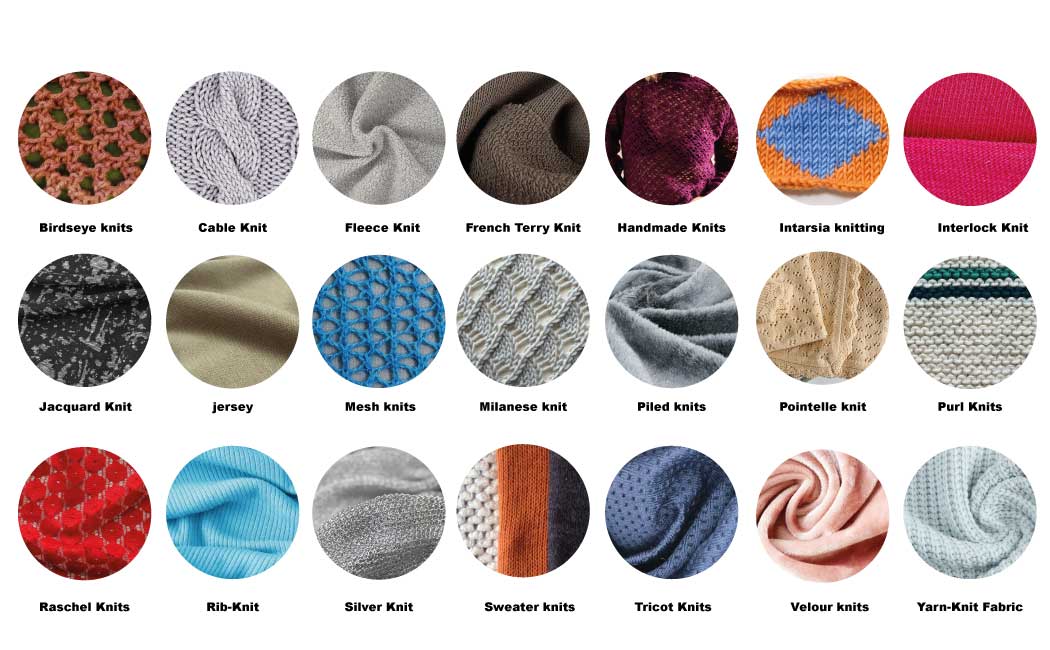
If you want comfort and movement, go with knits. For structure and polish, choose wovens.
Credit: megaapparel.com
Fabric Innovations And Blends
Modern textile science has created many blended fabrics. For example:
- Poly-cotton: Mixes polyester and cotton for softness, durability, and wrinkle resistance.
- Stretch denim: Denim with a small amount of spandex for easier movement.
- Moisture-wicking knits: Synthetics that pull sweat away from the skin.
These blends offer the best of both worlds. But always check care labels: some blends need special washing or drying.
Care And Maintenance Tips
Keeping garments looking good depends on the fabric. Here are some tips:
- Cotton: Wash in warm water, dry on medium heat. Avoid over-drying to prevent shrinking.
- Wool: Hand wash or dry clean. Avoid hot water, which causes shrinking.
- Silk: Hand wash or dry clean. Use a gentle detergent.
- Polyester: Machine washable, dries quickly, resists wrinkles.
- Linen: Wash in cool water, air dry for best results. Iron while damp to reduce wrinkles.
A common mistake is using too much heat when drying, especially with blends and delicate fabrics. This can cause shrinking, pilling, or damage.
Sustainability In Fabric Choices
As people become more aware of environmental impact, the choice of fabric matters more. Organic cotton, Tencel (lyocell), and recycled polyester are examples of more sustainable options. Natural fibers generally biodegrade, while synthetics can last for decades in landfills. However, some natural fabrics (like conventional cotton) use a lot of water and chemicals. To learn more about sustainable textiles, check out Sustainable Fashion on Wikipedia.
Recognizing Fabric Quality
Not all fabrics are created equal. High-quality fabric feels good in your hand, looks rich in color, and resists pilling and fading. Here’s how you can spot quality:
- Look for tight, even weaving or knitting (no loose threads or gaps).
- Check for color consistency; uneven dye can signal poor quality.
- Test stretch in knits — good knits snap back instead of staying stretched out.
- Feel the weight — higher thread count or heavier knits usually last longer.
- Smell the fabric — a strong chemical smell can mean too many treatments.
One non-obvious tip: cheaper synthetic fabrics sometimes feel clammy or “sweaty” because they don’t let moisture escape. Always test by wearing or touching before you buy.
Credit: www.pauljamesknitwear.com
Frequently Asked Questions
What Is The Main Difference Between Knit And Woven Fabrics?
Knit fabrics are made by looping yarns, giving them stretch and flexibility. Woven fabrics are made by interlacing yarns at right angles, making them more structured and less stretchy. The choice depends on the desired look and comfort of the garment.
Are Synthetic Fabrics Less Comfortable Than Natural Fabrics?
Not always. Modern synthetics like polyester and nylon can be engineered for breathability, softness, and moisture control. However, some people find natural fibers like cotton and linen more comfortable, especially in hot climates.
Which Fabrics Are Best For Sensitive Skin?
Cotton, bamboo, and silk are generally gentle on sensitive skin. Avoid fabrics with rough textures or heavy chemical treatments. Always check for “hypoallergenic” or “organic” labels if you have allergies.
How Can I Tell If A Fabric Will Shrink Or Wrinkle?
Natural fibers like cotton and linen are more likely to shrink and wrinkle, especially if not pre-treated. Check the care label for washing instructions and do a small test wash if possible. Blends with synthetic fibers usually resist both shrinking and wrinkling.
What Is The Most Durable Fabric For Everyday Wear?
Denim (a type of cotton twill) and polyester blends are some of the most durable choices for everyday use. They resist wear, tear, and fading better than most. For workwear, canvas is extremely tough but less flexible.
The right fabric can make or break your garment experience. From soft jerseys to crisp poplins, each material offers unique advantages. By understanding the basics and looking for quality, you’ll be able to choose clothes that look great, feel comfortable, and last longer.
The next time you shop or sew, take a closer look at the fabric — it’s the secret behind every great piece of clothing.