
Bangladesh has become a global leader in knit garment production, especially for the Japan market. Over the past decade, the demand for high-quality, ethically made knitwear from Japan has transformed the way Bangladeshi factories operate. Buyers from Japan are well-known for their strict standards, focus on sustainability, and attention to every detail. For Bangladeshi producers, meeting these expectations requires not only advanced technology but also a deep understanding of Japanese culture and business ethics.
This article explains the complete knit garment production process in Bangladesh, tailored specifically for Japanese clients. It covers each step, from receiving the order to final shipment, and highlights what makes this process unique for Japan. Whether you are a factory manager, a sourcing agent, or a fashion entrepreneur, you’ll find valuable insights on maintaining quality, efficiency, and long-term partnerships.
Understanding The Japan Market
Japan is one of the most demanding markets for knit garments. Buyers there expect not just good quality, but also perfect sizing, color consistency, and sustainable production. Japanese consumers trust brands that deliver comfort, safety, and long-lasting value. As a result, brands and importers from Japan apply strict audits and regular inspections at every stage.
Bangladesh’s factories have adapted to these needs with skilled workers, investments in modern machinery, and strong compliance systems. But two things often surprise new exporters: First, Japanese orders usually require more documentation and detailed communication. Second, even small mistakes, like uneven stitching or color spots, can lead to rejected shipments.
To succeed, Bangladeshi producers must develop a culture of continuous improvement and transparency. This includes focusing on every detail, from cotton selection to packing methods. Let’s explore the step-by-step process that makes Bangladesh a trusted supplier for Japan.
Step 1: Order Placement And Planning
The journey starts when a Japanese buyer places an order with a Bangladeshi garment factory. At this stage, clear communication is critical. Japanese clients usually send a tech pack—a document with all design, material, and measurement details. Sometimes, they also provide physical samples.
A dedicated merchandiser acts as the bridge between the Japanese buyer and the factory. This person’s job is to clarify every requirement: fabric type, color, artwork, trims, packing style, and delivery timeline. For Japan, even the smallest detail—like thread color or label placement—must be approved.
A production plan is then created. It includes:
- Target delivery dates
- Sourcing schedules for materials
- Daily production targets
- Quality checkpoints
Most factories use ERP (Enterprise Resource Planning) software to track every step. This helps avoid delays and keeps everyone informed.
Credit: www.marketsandmarkets.com
Step 2: Sourcing Raw Materials
For Japanese orders, quality starts with the right raw materials. Bangladesh imports and locally sources cotton yarn, which is the backbone of knitwear. Buyers often specify if they want organic, BCI (Better Cotton Initiative), or regular cotton. Many Japanese brands insist on Oeko-Tex or similar certified yarns to guarantee safety and eco-friendliness.
Materials needed include:
- Cotton yarn (main fabric)
- Dyes and chemicals (for coloring and finishing)
- Trims (labels, buttons, zippers)
- Packaging materials (poly bags, cartons)
Before purchasing, the factory sends yarn and trim samples to the Japanese buyer for approval. Only after written confirmation does bulk sourcing begin. This step avoids costly mistakes and ensures all materials meet Japanese regulations.
Quality Control For Raw Materials
Japanese buyers require strict incoming inspection of all raw materials. Factories test yarn for:
- Fiber strength
- Evenness
- Color consistency
- Harmful substances (using lab tests)
Any batch that fails is rejected or sent back. This focus on material quality is a key reason why Bangladeshi knitwear is trusted in Japan.
Step 3: Knitting The Fabric
Once the yarn arrives, the next step is converting it into knit fabric. This is done using circular or flatbed knitting machines. The machine type depends on the garment—T-shirts, polo shirts, sweaters, etc. Japanese buyers often prefer fabrics like single jersey, rib, and interlock for their softness and durability.
The knitting department must follow the fabric specifications exactly:
- GSM (grams per square meter) for thickness
- Width for sizing
- Stitch type for texture
Factories maintain records of every batch, including machine settings and operator details. This level of documentation is essential for Japanese audits.
Common Challenges
Two issues often occur in this step:
- Yarn breakage: Leads to uneven fabric. Regular maintenance helps prevent this.
- Gauge mismatch: If the needle size is wrong, the fabric texture will not match the approved sample. Technicians must double-check settings before bulk production.
Step 4: Dyeing And Finishing
Japanese consumers are very sensitive to color accuracy and chemical safety. In Bangladesh, factories use advanced dyeing machines to color the knit fabric as per buyer requirements. The dyeing process includes:
- Pre-treatment (removing impurities)
- Dyeing (adding color)
- Washing (removing excess dye)
- Finishing (softening and stabilizing the fabric)
All chemicals used must be REACH or Oeko-Tex compliant. Japan’s laws are strict about banned substances, so factories keep detailed records of every chemical batch.
After dyeing, the fabric is tested for:
- Color fastness (does the color bleed?)
- Shrinkage (does the fabric change size after washing?)
- Hand feel (is the fabric soft enough?)
Japanese buyers often request lab dips (small dyed fabric samples) before approving bulk dyeing.
Fabric Inspection
A four-point system is used to check for defects like:
- Stains
- Holes
- Uneven dyeing
- Knots
Only rolls that pass inspection are released for garment production. Any rejected fabric is either reprocessed or sold as seconds.
Step 5: Fabric Cutting
Cutting is a critical step because mistakes here cause major losses. The fabric is spread in layers on a large table, and cutting markers (templates) are placed on top. Auto-cutting machines are common in Bangladesh’s top factories, ensuring precise shapes with minimal waste.
Key checks include:
- Correct pattern placement
- Grain line alignment (to prevent twisting after washing)
- Accurate size matching
Cut panels are bundled together and tagged for tracking. For Japan, factories often use barcoding so every piece can be traced back to its batch and operator.
Practical Tip
Many beginner factories overlook the importance of sharp blades and machine calibration. Dull blades cause frayed edges, which Japanese buyers will reject.
Step 6: Printing And Embroidery
Many Japanese knit garments have logos, artwork, or brand labels printed or embroidered. The process depends on the order:
- Screen printing for bold designs
- Heat transfer for photos or small details
- Embroidery for logos or special effects
Before full production, factories make a strike-off (sample print/embroidery) for buyer approval. Only after receiving feedback do they proceed.
Quality checks focus on:
- Color accuracy
- Placement consistency
- Wash durability
Japanese buyers sometimes visit the factory during this stage to inspect samples in person.
Step 7: Sewing And Assembly
This is where the cut fabric pieces are stitched together to make the final garment. Bangladesh has some of the largest, most efficient sewing floors in the world. For Japanese orders, each sewing line follows a detailed operation breakdown, specifying:
- Stitch type (lockstitch, overlock, etc.)
- Seam width
- Thread tension
Quality inspectors are present at every stage. They check for:
- Even stitching
- No loose threads
- Correct seam alignment
If any defect is found, the item is sent back for repair.
Line Balancing
To meet strict delivery dates, factories use line balancing—organizing operators so each step takes the same time. This reduces bottlenecks and keeps production flowing smoothly.
Worker Training
Japanese buyers often audit training records to ensure workers know how to handle special fabrics or designs. This is one area where Bangladesh has improved dramatically in recent years.
Step 8: Inline And End-of-line Quality Control
Quality control (QC) is not a single event; it happens continuously. For Japan, factories employ inline QC inspectors who check garments at key steps:
- After armhole attachment
- Before collar sewing
- After final pressing
At the end of the sewing line, a final inspection is done. This includes:
- Measuring every size
- Checking for stains, holes, and defects
- Confirming label and tag placement
Any faulty item is removed, repaired, or destroyed. Japanese buyers expect an AQL (Acceptable Quality Level) of 1.0 or lower—meaning almost no defects.
Step 9: Washing And Finishing
Many knit garments, especially for Japan, require special washes for softness or a vintage look. Common types include:
- Enzyme wash (for softness)
- Silicon wash (for smoothness)
- Bio wash (for eco-friendly finish)
Washing is done in large industrial machines, and every batch is tested for shrinkage and colorfastness. After washing, garments are dried, ironed, and pressed to remove wrinkles.
Packing Preparation
Finishing staff check:
- Button and zipper function
- Loose threads
- Cleanliness
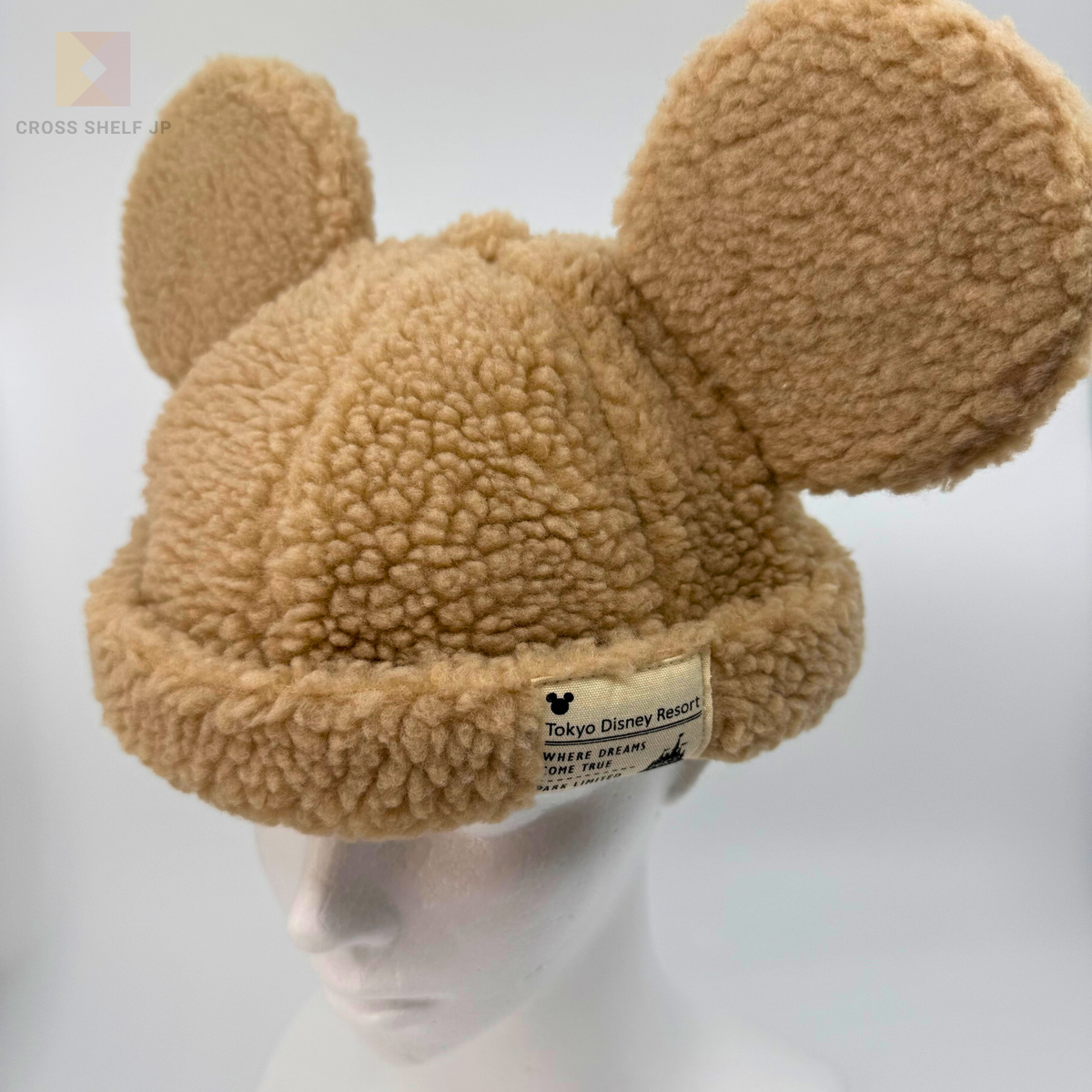
Garments are folded as per Japanese style guides, often with tissue paper or cardboard to keep shape. Each piece is packed in a poly bag with a barcode sticker.
Credit: www.ebay.com
Step 10: Packing And Cartonization
Packing for Japan is more detailed than for most markets. Buyers specify:
- Number of pieces per poly bag
- Number of bags per carton
- Carton size and weight
Factories use carton checklists to verify every detail. Some Japanese buyers require desiccant packs inside cartons to absorb moisture.
After packing, cartons are labeled with:
- Style number
- Color code
- Size breakdown
- Order number
A final carton inspection is performed before sealing.
Step 11: Final Quality Audit And Buyer Inspection
Before shipment, Japanese buyers or their agents often perform a final random inspection. This is called a “pre-shipment inspection” and usually follows the AQL standard.
Inspectors check:
- Carton count
- Random garment measurements
- Visual appearance
- Packing compliance
If any serious defect is found, the whole shipment can be put on hold or rejected. To avoid this, factories run their own final audits using the same methods.
Third-party Testing
Japanese clients sometimes require third-party lab tests for:
- Formaldehyde content
- Color fastness
- Pilling resistance
Factories send samples to authorized labs and keep records for every order.
Step 12: Shipping And Documentation
After passing all inspections, the shipment is booked with a shipping line or air cargo service. Bangladesh’s main port is Chittagong, but some urgent orders go via Dhaka airport.
Key documents for Japan include:
- Commercial invoice
- Packing list
- Bill of lading
- Certificate of origin
- Test reports (if needed)
- Fumigation certificate
Japanese customs require correct HS codes and clear labeling to avoid delays. Many factories now use digital platforms to share documents with buyers in real time.
Sustainability And Compliance For The Japan Market
Japanese buyers care deeply about social compliance and sustainability. This means:
- Safe working conditions
- No child labor
- Fair wages
- Eco-friendly production
Most factories producing for Japan are certified by SEDEX, WRAP, or BSCI. Some also have their own water treatment plants to minimize pollution. Japanese brands often visit factories to conduct their own audits.
A unique requirement for Japan is traceability—the ability to track every garment back to its raw material source. Bangladesh’s leading factories now use blockchain-based systems to record every step.
Technology And Automation In Knit Garment Production
To meet Japan’s high standards, Bangladeshi factories are investing in automation. Examples include:
- Computerized cutting machines for perfect accuracy
- Automated sewing systems for consistent stitching
- Digital QC tools for defect tracking
Some factories use RFID tags to track garments through the production line. This reduces mix-ups and helps with inventory control.
Here is a comparison of traditional vs. modern production systems:
| Feature | Traditional System | Modern System |
|---|---|---|
| Cutting Method | Manual cutting | Auto-cutting machine |
| QC Tracking | Pencil and paper | Digital checklists, RFID |
| Production Monitoring | Manual tally | ERP software |
Factories serving Japan are usually at the forefront of these investments.
Cost Structure And Pricing For Japanese Orders
Pricing knit garments for Japan is a careful process. Japanese buyers expect competitive prices but will pay more for quality and compliance. Major cost components include:
- Raw materials (yarn, trims)
- Labor
- Dyeing and finishing
- Energy and utilities
- Compliance costs (audits, certifications)
- Logistics
Japanese orders often have higher sampling and documentation costs than other markets. However, the payment terms are usually reliable—Japanese buyers are known for on-time payments.
Below is a simple breakdown of cost elements for a typical knit T-shirt order:
| Cost Element | Percentage of Total Cost |
|---|---|
| Raw Materials | 50% |
| Labor | 20% |
| Dyeing & Finishing | 10% |
| Compliance & Testing | 10% |
| Logistics & Others | 10% |
Understanding this structure helps both buyers and factories negotiate fairly.
Common Challenges And Solutions
Supplying knit garments to Japan is not without problems. The most common challenges are:
- Last-minute design changes: Japanese buyers sometimes request changes after production has started. Solution: Keep a buffer in the timeline and get all approvals in writing.
- Language barriers: Detailed communication can be lost in translation. Solution: Hire merchandisers who speak Japanese or use bilingual documents.
- Strict compliance audits: Failing a social or environmental audit can result in order cancellations. Solution: Invest in ongoing worker training and regular internal audits.
- Small order quantities: Japanese buyers may place small but frequent orders. Solution: Improve production flexibility and reduce changeover times.
A non-obvious insight is that Japanese buyers value long-term relationships over one-off deals. Factories that show continuous improvement and honesty are rewarded with repeat orders.
Building Long-term Partnerships With Japanese Buyers
Success in the Japan market is about more than just making and shipping garments. It requires:
- Understanding Japanese business culture (punctuality, politeness, attention to detail)
- Responding quickly to emails and calls
- Solving problems before they reach the buyer
- Offering suggestions for design or process improvements
Bangladeshi factories that invest in these areas often become preferred suppliers. Some have even opened liaison offices in Japan to offer better service.
One overlooked practice is sending “thank you” samples—small gifts or samples with each shipment. This builds goodwill and keeps the relationship strong.
Credit: redcastheritage.com
The Future Of Knit Garment Production For Japan
The future looks bright for Bangladesh-Japan knitwear trade. Trends that are shaping the industry include:
- Greater demand for organic and recycled materials
- Increased use of 3D design tools for virtual sampling
- Adoption of IoT (Internet of Things) to monitor production in real time
- Focus on zero-waste processes
Bangladeshi factories that stay ahead of these trends will continue to be trusted partners for Japanese brands.
For more data and research on the Bangladesh apparel industry, you can check this resource: Wikipedia: Textile industry in Bangladesh.
Frequently Asked Questions
What Types Of Knit Garments Does Bangladesh Export To Japan?
Bangladesh exports a wide range of knit garments to Japan. The most popular items include T-shirts, polo shirts, sweatshirts, hoodies, cardigans, and innerwear. Many Japanese brands also order specialty items like organic cotton basics and functional sportswear.
Why Do Japanese Buyers Prefer Bangladeshi Knitwear?
Japanese buyers trust Bangladesh for its skilled workforce, ability to handle complex designs, and strong focus on compliance. Bangladesh also offers competitive prices while meeting strict Japanese standards for quality, safety, and sustainability.
How Do Bangladeshi Factories Ensure Quality For Japan?
Factories use detailed quality control systems, including inline and final inspections, lab testing, and digital tracking of every batch. Japanese buyers often conduct their own audits and require factories to keep records for every order.
What Certifications Do Bangladeshi Factories Need For The Japan Market?
Most factories hold certifications like Oeko-Tex, SEDEX, WRAP, or BSCI. These prove compliance with social, environmental, and chemical safety standards. Some Japanese buyers also require ISO certifications.
How Long Does It Take To Produce And Ship Knit Garments From Bangladesh To Japan?
The total lead time is usually 60 to 90 days from order to delivery. This includes 30-45 days for production, 1-2 weeks for quality checks, and 2-4 weeks for sea shipping. Air shipments are faster but more expensive.
Bangladesh’s knit garment production process for the Japan market is a story of precision, partnership, and progress. By understanding and mastering every step, Bangladeshi factories are not just making clothes—they are building a bridge of trust with one of the world’s most demanding markets.
As both countries continue to innovate, the future of this partnership looks stronger than ever.