
Knit garments are everywhere—from soft sweaters to stretchy T-shirts. They are comfortable, flexible, and stylish. But making quality knitwear is not easy. Many problems can appear during manufacturing. These defects can make garments look bad, feel uncomfortable, or even fall apart quickly.
If you work in the garment industry, or just want to understand why some clothes fail, learning about common defects in knit garments and how to prevent them is essential.
Let’s explore the main defects that affect knit garments, why they happen, and how factories, designers, and brands can stop them. With clear explanations, practical examples, and real solutions, you’ll gain confidence to spot these issues and avoid costly mistakes.
Why Knit Garments Are Prone To Defects
Knitted fabrics are made by interlocking loops of yarn. This makes them stretchy and soft, but also more sensitive to mistakes. Unlike woven fabrics, which are firmer, knits can easily lose shape, snag, or have uneven surfaces. High production speed, changing yarn quality, and complex machinery add more risk.
A single error in yarn, tension, or finishing can show up as a visible defect. Even small problems can ruin the look and comfort of a garment. Many brands reject thousands of pieces each year due to quality failures. Understanding these issues is the first step to better products.
Most Common Defects In Knit Garments
Let’s look at the main types of defects. Each one affects knitwear in a different way. You’ll see real examples, causes, and how to prevent them.
1. Yarn Contamination
Yarn contamination means unwanted fibers, dust, or materials mixed into the yarn. You might see tiny colored threads, hair, or plastic stuck in the fabric.
Causes:
- Poor cleaning of yarn before knitting
- Mixing different yarns in the factory
- Dirty machines or storage areas
Prevention:
- Use high-quality, well-cleaned yarn
- Keep machines and storage areas clean
- Train workers to spot and remove contaminated yarn
Even big brands like H&M have faced complaints about colored fibers showing in white T-shirts due to contamination. Regular quality checks help catch these issues early.
2. Uneven Dyeing
When the color of the garment is not consistent, it is called uneven dyeing. You might see lighter or darker patches.
Causes:
- Uneven dye application
- Poor mixing of dye chemicals
- Differences in fabric thickness or yarn absorbency
Prevention:
- Use computerized dye machines for precise mixing
- Pre-treat fabric to equalize absorbency
- Monitor dye baths closely
In large factories, uneven dyeing can cause 5–10% of garments to be rejected. Testing small batches before mass dyeing can reduce losses.
3. Barre (stripe Effect)
Barre is a defect where horizontal stripes appear on the garment. These stripes are not part of the design.
Causes:
- Differences in yarn thickness or color
- Tension changes in knitting machines
- Mixing yarn lots during production
Prevention:
- Use yarns from the same batch
- Calibrate machines regularly
- Check tension and yarn feed
Barre is more common in polyester knits. Using strict batch controls is key.
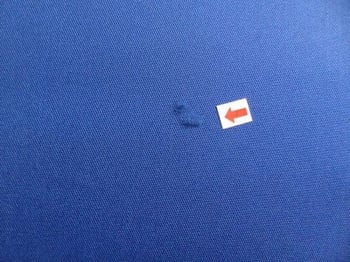
4. Holes And Snags
Holes and snags are visible damage in the fabric. Snags are loops pulled out by sharp objects.
Causes:
- Broken needles or machine parts
- Rough handling during production
- Sharp objects or jewelry in finishing areas
Prevention:
- Inspect machines for damage
- Train staff to handle garments gently
- Ban jewelry or sharp tools in production
Even one hole or snag can make a garment unsellable. Using protective covers on machines helps.
5. Needle Lines
Needle lines are vertical lines in the fabric, caused by faulty needles or machine settings.
Causes:
- Bent or broken knitting needles
- Incorrect needle positions
- Poor machine maintenance
Prevention:
- Replace damaged needles quickly
- Maintain machines regularly
- Monitor fabric surface during production
Needle lines are hard to fix after knitting. Regular checks are the best solution.
6. Oil Stains
Oil stains appear as dark spots on the fabric. They come from machine oil or dirty hands.
Causes:
- Oil leaks from machines
- Workers touching fabric with oily hands
- Poor cleaning of machinery
Prevention:
- Fix machine leaks fast
- Train workers on hygiene
- Clean machines often
Oil stains are visible and permanent. Prevention is the only solution.
7. Pilling
Pilling is when small balls of fiber form on the surface after washing or wearing.
Causes:
- Low-quality yarns
- Loose or fuzzy fibers
- Friction during use
Prevention:
- Use yarn with longer, stronger fibers
- Apply anti-pilling finishes
- Test garments for pilling before selling
Tests show that garments with cotton-polyester blends pill less than pure acrylic knits.
8. Spirality (twisting)
Spirality is when the garment twists after washing, especially in T-shirts.
Causes:
- Incorrect yarn twist direction
- Poor fabric cutting
- Uneven tension during knitting
Prevention:
- Match yarn twist to fabric design
- Cut fabric straight, not at an angle
- Control tension in machines
Brands often test for spirality by washing samples. Less than 3° twist is considered acceptable.
9. Off-size Garments
Sometimes, garments are not the right size. Sleeves may be too short, or body too tight.
Causes:
- Wrong measurements during cutting
- Fabric shrinkage after washing
- Poor pattern design
Prevention:
- Use accurate cutting templates
- Allow for shrinkage in design
- Check measurements during production
Factories often use “size sets” to check fit before mass production.
10. Poor Seams
Poor seams are weak or uneven stitches that break or unravel.
Causes:
- Wrong thread type
- Incorrect sewing machine settings
- Unskilled workers
Prevention:
- Use strong, matching thread
- Adjust machine settings for knit fabrics
- Train staff on proper sewing
Loose seams can cause garments to fall apart after a few wears.
11. Wavy Or Stretched Edges
Edges of knit garments can become wavy or stretched, especially necklines and cuffs.
Causes:
- Too much tension during sewing
- Wrong stitch type
- Poor handling during finishing
Prevention:
- Use elastic stitches for edges
- Reduce tension in sewing machines
- Handle edges gently
Adding reinforcing tape to necklines helps prevent waviness.
12. Fabric Shrinkage
Shrinking is a major issue for knitwear. Garments can become too small after washing.
Causes:
- Unstable yarns
- High heat in finishing
- Incorrect washing instructions
Prevention:
- Pre-shrink fabric before cutting
- Use stable yarns
- Give clear care labels
Cotton knits often shrink 3–5% after washing. Testing helps set the right allowances.
13. Color Fading
Color fading happens when garments lose brightness after washing or sunlight.
Causes:
- Low-quality dyes
- Improper dye fixing
- Harsh washing chemicals
Prevention:
- Use high-quality, color-fast dyes
- Fix dyes properly in production
- Give correct washing instructions
Adding UV-protection finishes can reduce fading.
14. Loose Or Broken Stitches
Sometimes, stitches in knitwear are too loose or break easily.
Causes:
- Incorrect machine settings
- Weak yarns
- Fast production speed
Prevention:
- Adjust machine tension
- Use strong yarns
- Slow down production when needed
Broken stitches are common in low-cost knits. Regular checks help.
15. Missing Stitches
Missing stitches are gaps where the machine skipped a loop. This creates holes.
Causes:
- Faulty needles
- Yarn breaks during knitting
- Machine errors
Prevention:
- Change needles regularly
- Monitor yarn for breaks
- Inspect fabric during production
Missing stitches often appear in cheaper garments.
16. Uneven Surface
The surface of knitwear can look rough or bumpy.
Causes:
- Uneven yarn thickness
- Machine vibration
- Poor tension control
Prevention:
- Use consistent yarns
- Maintain machines to reduce vibration
- Monitor tension during knitting
Smooth surfaces are a sign of quality.
17. Poor Hand Feel
Some knit garments feel rough or stiff.
Causes:
- Cheap yarns
- Poor finishing
- Harsh chemicals
Prevention:
- Choose soft yarns
- Use gentle finishing processes
- Avoid harsh chemicals
Hand feel tests are important before selling.
18. Excessive Lint
Lint is small fibers that shed from the garment.
Causes:
- Fuzzy yarns
- Loose knitting
- Poor finishing
Prevention:
- Use low-lint yarns
- Tighten knitting structure
- Apply anti-lint finishes
Lint can be a big problem for black garments.
19. Skewed Patterns
Patterns in knitwear can become skewed, not lining up correctly.
Causes:
- Poor fabric cutting
- Machine misalignment
- Shrinkage during washing
Prevention:
- Cut fabric carefully
- Align machines before production
- Allow for pattern movement in design
Skewed stripes are often rejected by brands.
20. Odor Issues
Sometimes, knit garments smell bad due to chemicals or poor washing.
Causes:
- Chemical residues
- Poor washing in finishing
- Storage in humid areas
Prevention:
- Wash garments properly after production
- Use mild chemicals
- Store in dry, clean areas
Odor can make garments unsellable, even if they look fine.

Credit: www.textileschool.com
How To Prevent Defects In Knit Garments
Quality control starts before production and continues to the final product. Here are key strategies to reduce defects:
Careful Yarn Selection
Choosing the right yarn quality is vital. Use yarns that are clean, strong, and consistent. Check suppliers for reputation and test yarn samples before buying.
Advanced Machine Maintenance
Modern knitting machines need regular care. Clean parts, change needles, and calibrate settings often. A small machine fault can cause big defects.
Skilled Workers
Training matters. Workers must know how to spot defects, handle fabric gently, and operate machines correctly. Many defects happen due to human error.
Process Control
Factories should use process control systems. Monitor tension, speed, and temperatures at every step. Small changes can affect quality.
Batch Testing
Before mass production, test small batches. Check for dye consistency, shrinkage, and fit. This helps catch problems before they become expensive.
Inspection At Each Stage
Inspect yarn, fabric, and finished garments. Don’t wait until the end. Early checks save money and time.
Good Factory Hygiene
Keep production areas clean. Dust, oil, and hair can cause contamination. Use air filters and strict cleaning routines.
Proper Storage
Store yarns and fabrics in dry, clean places. Humidity can cause mold or shrinkage.
Clear Communication
Designers, technicians, and workers must share information. If a change in yarn or color happens, everyone needs to know.
Using Technology
Factories use computer systems to monitor quality. Automatic sensors can spot defects faster than humans.
Real Data: Defect Rates In Knit Garment Production
Let’s look at some real numbers from factories.
| Defect Type | Average Occurrence (%) | Impact |
|---|---|---|
| Yarn Contamination | 2–5 | Visible marks, rejection |
| Uneven Dyeing | 5–10 | Color differences, loss |
| Needle Lines | 2–4 | Visible lines, returns |
| Pilling | 6–12 | Surface balls, complaints |
| Oil Stains | 1–3 | Permanent marks, waste |
These numbers show that even small defects can lead to many rejections. Factories often aim for below 2% total defects, but this is hard to achieve.

Credit: www.flockworkshop.uk
Comparing Knit Vs. Woven Garment Defects
How Do Knit Garment Defects Compare To Woven Garments?
| Defect | Knit Garments | Woven Garments |
|---|---|---|
| Barre | Common | Rare |
| Pilling | Frequent | Less frequent |
| Needle Lines | Common | Not applicable |
| Color Fading | Moderate | Moderate |
| Shrinkage | High risk | Lower risk |
This table shows that certain defects, like barre and pilling, are mainly seen in knits. Woven fabrics are firmer, so some problems are less common.
Practical Examples From The Industry
Many global brands have strict quality standards. For example, Nike tests each batch of knit sportswear for pilling, color fading, and size accuracy. If more than 3% of garments fail, the whole batch is rejected.
In Bangladesh, one of the world’s largest knit garment exporters, factories use computer vision systems to check for needle lines and yarn contamination. These systems can catch defects in seconds, reducing human error.
A study found that using higher-quality yarns reduced pilling complaints by 40%. Machine maintenance programs lowered oil stain rates by 60%. These numbers show that prevention is possible with the right steps.
Non-obvious Insights For Beginners
Many beginners miss these points:
- Fabric finishing is as important as knitting. Using softeners, anti-pilling, and proper washing can solve many surface defects.
- Environmental factors like humidity and temperature can change yarn behavior. Factories need climate control to keep quality stable.
- Small changes in machine speed can affect tension, causing defects like barre or uneven surface. It’s not always about the yarn or dye—machine settings matter.
Key Mistakes To Avoid In Knit Garment Production
- Ignoring yarn quality: Cheap yarn leads to many defects.
- Skipping machine maintenance: Broken parts cause obvious and hidden issues.
- Rushing production: High speed increases errors.
- Poor communication: Not sharing changes causes mismatches.
- Weak inspection: Checking only at the end misses early problems.
Best Practices For Long-term Quality
Factories that succeed use these habits:
- Invest in skilled staff and training
- Use process monitoring technology
- Keep detailed records of defects and fixes
- Work with trusted suppliers
- Review feedback from customers to improve
Final Tips For Brands And Buyers
If you buy or design knit garments, ask for:
- Detailed quality reports
- Clear care instructions
- Samples tested for pilling, shrinkage, and color fastness
Don’t trust “perfect” claims. Test garments yourself before big orders.
Credit: www.intouch-quality.com
Frequently Asked Questions
What Is The Most Common Defect In Knit Garments?
The most common defect is pilling, where small balls of fiber form on the garment surface. It happens due to friction and low-quality yarns. Factories can reduce pilling by using strong fibers and proper finishing.
How Can I Prevent Holes In My Knitwear?
To prevent holes, handle garments gently, avoid sharp objects, and wash according to instructions. In factories, using good needles and checking for machine faults helps avoid holes during production.
Why Do Some T-shirts Twist After Washing?
This is called spirality. It happens when the yarn twist and fabric cut are not matched. Brands test for spirality and use special cutting techniques to reduce twisting.
Are Knit Garments More Likely To Shrink Than Woven Garments?
Yes, knit garments are more prone to shrinkage because their loop structure is sensitive to heat and washing. Pre-shrinking fabric and giving clear care labels help control this.
Can Defects Be Fixed After Production?
Some defects, like loose stitches, can be repaired. Others, like oil stains or color fading, are permanent. It’s best to prevent defects through quality control and careful production.
Knit garment production is both art and science. With knowledge, technology, and good habits, factories and brands can create comfortable, stylish, and durable knitwear. Knowing the common defects and their solutions gives you the power to make smarter choices—whether you are a buyer, designer, or factory manager. For more detailed industry standards, visit this Wikipedia page.
Every garment tells a story. Make yours a story of quality.