
Fabric characteristics are the foundation of every piece of clothing we wear. From the softness of a cotton T-shirt to the strength of denim jeans, the properties of textiles decide how garments look, feel, and perform in real life. In apparel manufacturing, understanding these characteristics is more than science—it’s an art that balances comfort, durability, style, and cost.
The world of fabric is rich and complex. Each fiber, weave, and finish introduces new variables. Some fabrics stretch, others breathe. Some shine, while others insulate. For clothing manufacturers, knowing how these elements combine is critical for choosing the right material for the right purpose.
This knowledge can make the difference between a best-selling fashion item and an expensive mistake.
Yet, many beginners overlook how much small details matter. For example, two shirts can look similar but behave very differently after a few washes, all because of hidden differences in fiber blend or finishing treatment. This article explores the most important fabric characteristics, explains how they affect performance, and reveals how professionals in the apparel industry use this information to create better garments.
Key Fabric Characteristics In Apparel Manufacturing
Every fabric used in apparel has a set of unique characteristics. These properties influence everything from wearability to production cost. Here are the core characteristics that matter most:
Fiber Content
Fiber content refers to the raw material used to make the fabric. Common fibers include cotton, polyester, wool, silk, and nylon. Each fiber brings its own advantages and challenges:
- Cotton: Soft, breathable, absorbs moisture well, but wrinkles easily.
- Polyester: Strong, wrinkle-resistant, dries quickly, but less breathable.
- Wool: Warm, elastic, absorbs moisture, can feel itchy.
- Silk: Smooth, shiny, drapes beautifully, but delicate and expensive.
- Nylon: Strong, lightweight, resists abrasion, but can build static.
Blending fibers can combine benefits, such as cotton-polyester blends that are both comfortable and durable.
Yarn Structure
Yarn can be spun (twisted fibers) or filament (continuous strands). Spun yarns usually give a softer, fuzzier feel, while filament yarns (like in silk or synthetic fibers) create a smoother, shinier surface.
Twist level in yarn also matters. Higher twist increases strength and smoothness but decreases softness.
Fabric Construction
This refers to how yarns are put together. There are three main types:
- Woven: Interlacing two sets of yarns (warp and weft). Examples: denim, poplin.
- Knitted: Interlooping yarns. Examples: jersey, rib knit.
- Nonwoven: Bonding fibers together without weaving or knitting. Examples: felt, some interfacings.
Each construction type changes stretch, durability, and appearance.
Weight And Thickness
Fabric weight is often measured in grams per square meter (gsm). Heavier fabrics (like wool coats) are more insulating and durable. Lighter fabrics (like voile) are more breathable and drapey. Thickness also affects opacity and warmth.
Drape
Drape is how a fabric hangs under its own weight. Silk and rayon drape softly, making them ideal for dresses. Stiffer fabrics (like canvas) hold their shape, used for jackets or bags.
Hand (feel)
The “hand” describes the tactile qualities—how the fabric feels. Is it soft, rough, crisp, or smooth? This affects comfort and the customer’s first impression.
Color And Dye Fastness
Fabric color must stay vibrant and not bleed or fade easily. Dye fastness is important for garments that will be washed many times. Poor dye fastness can ruin a product’s reputation quickly.
Shrinkage
Some fabrics, like cotton, shrink after washing. Manufacturers often pre-shrink fabrics or use blends to reduce this problem.
Wrinkle Resistance
Garments made from linen or pure cotton crease easily, while polyester and blends tend to resist wrinkles. Wrinkle resistance matters for workwear, uniforms, and travel clothing.
Pilling
Pilling is the formation of small balls on the fabric surface. It happens when fibers break and tangle due to abrasion. Fabrics with long fibers (like combed cotton) pill less.
Abrasion Resistance
This is the ability to withstand rubbing or wear. Denim and nylon are high in abrasion resistance, so they last longer under tough conditions.
Stretch And Recovery
Some fabrics (like spandex) stretch and return to their original shape. This is vital for sportswear, underwear, and fitted garments. Poor recovery means the garment will sag over time.
Breathability
Breathable fabrics allow air and moisture vapor to pass through, keeping the wearer comfortable. Cotton and linen are highly breathable. Polyester is less so, but can be engineered for improved ventilation.
Moisture Management
This includes absorption, wicking, and drying speed. Athletic wear often uses fabrics that wick sweat away from the skin and dry quickly.
Insulation
Some fabrics trap air to keep you warm, like wool or fleece. Others, like linen, are cool to the touch and used for summer wear.
Water Resistance
Water-resistant or waterproof fabrics (like those with special coatings) are essential for outerwear. Untreated cotton, on the other hand, soaks up water easily.
Fire Resistance
Natural fibers like wool are naturally flame-resistant, while synthetics like polyester can melt. Fire-resistant treatments are used for uniforms and children’s sleepwear.
Static Electricity
Synthetic fabrics can build up static, causing cling or sparking. Adding antistatic finishes or blending with natural fibers can reduce this.
How Fabric Characteristics Affect Apparel Performance
A fabric’s performance in real-world use is a combination of its physical properties and how it interacts with the body and environment. Apparel designers and manufacturers must predict how a fabric will behave during wear, laundering, and over time.
Comfort
Comfort is influenced by hand, breathability, stretch, and moisture management. For example, underwear and T-shirts need to be soft, breathable, and absorbent. Work uniforms must balance comfort with durability.
Durability
Durable clothing resists abrasion, pilling, and tearing. This matters for jeans, workwear, or school uniforms. The choice of fiber (e. g. , polyester for strength) and construction (tight weaves) is critical.
Aesthetics
How a fabric looks—its color, shine, drape, and texture—affects its fashion appeal. Evening dresses may use shiny, drapey fabrics, while tailored suits use matte, structured textiles.
Care And Maintenance
Consumers want easy-care garments. Fabrics that shrink, wrinkle, or fade quickly are less desirable. Blended fibers, special finishes, and new technologies help solve these problems.
Safety
Special uses require safety features. For example, children’s pajamas must be flame-resistant. Raincoats need waterproofing. These performance needs shape fabric choices.
Cost Efficiency
Some high-performance fabrics are expensive. Manufacturers must balance quality with cost. Sometimes, they use blends or finishes to achieve the desired results at a better price.
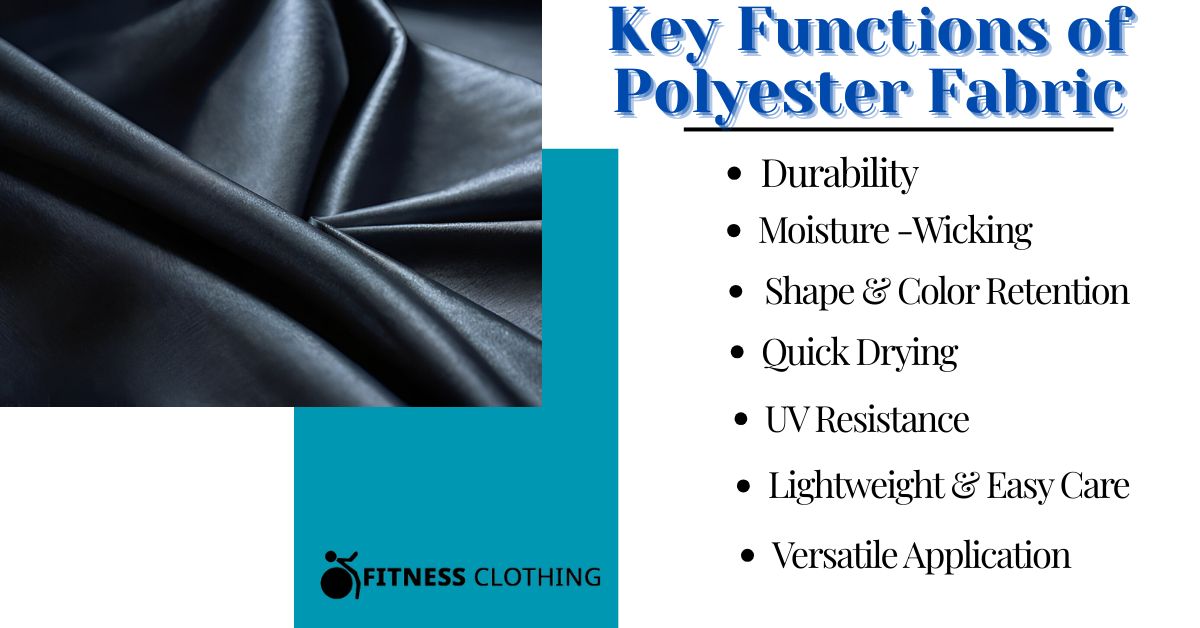
Credit: www.fitnessclothingmanufacturer.com
Common Fabric Types And Their Performance In Apparel
Understanding how common fabrics behave is crucial for making the right material choices. Here’s a comparison of popular fabric types:
| Fabric Type | Main Fiber(s) | Key Performance | Common Uses |
|---|---|---|---|
| Cotton | Cotton | Soft, breathable, absorbs moisture, wrinkles | T-shirts, shirts, casual wear |
| Polyester | Polyester | Strong, wrinkle-resistant, quick-dry | Sportswear, outerwear, blends |
| Wool | Wool | Warm, elastic, insulates, absorbs moisture | Suits, sweaters, coats |
| Rayon | Cellulose | Drapes well, soft, absorbs moisture | Dresses, linings, blouses |
| Spandex (Lycra) | Spandex | Highly elastic, good recovery | Activewear, underwear |
Notice how blends combine strengths: a cotton-polyester blend is more durable and less wrinkly than pure cotton.
Advanced Fabric Treatments And Finishes
Modern textile technology allows manufacturers to add performance features after the fabric is made. These treatments can transform an ordinary fabric into something special.
Wrinkle-free Finishes
Chemicals are applied to keep cotton shirts crisp with minimal ironing. However, some finishes can reduce fabric softness or breathability.
Water-repellent Coatings
A thin layer (such as silicone or fluorocarbon) is added to the fabric surface. This makes rain bead up and roll off. Over time, these coatings may wear off and require reapplication.
Antimicrobial Treatments
Athletic and medical clothing often uses antimicrobial agents to reduce odor and bacteria growth. Silver ions or other treatments can be added for long-lasting protection.
Flame-retardant Finishes
Special chemicals make fabrics less likely to catch fire. This is required for children’s sleepwear, work uniforms, and public seating.
Uv Protection
Some fabrics are treated or constructed to block harmful ultraviolet (UV) rays. This is important for outdoor apparel and swimwear.
Stain Resistance
Finishes like Teflon help prevent stains from soaking into the fibers. This is popular for school uniforms and workwear.
Softening Agents
Enzyme or silicone washes can make fabrics feel softer and more luxurious, especially for denim and knitwear.
How To Choose Fabrics For Different Garment Types
Selecting the right fabric depends on the garment’s purpose, target customer, and care requirements. Here’s a look at best choices for common apparel types:
T-shirts And Casual Tops
- Fiber: Cotton or cotton blends
- Why: Soft, breathable, easy to dye
- Tip: Pre-shrunk fabrics reduce size changes after washing
Dress Shirts And Blouses
- Fiber: Cotton, polyester-cotton blends
- Why: Crisp look, easy care, durable
- Tip: Wrinkle-free finishes are a plus for workwear
Jeans And Trousers
- Fiber: Denim (cotton), sometimes with spandex
- Why: Durable, abrasion-resistant, comfortable with stretch
- Tip: Add spandex for stretch jeans
Dresses
- Fiber: Rayon, silk, polyester, blends
- Why: Good drape, wide style options
- Tip: Lined fabrics prevent see-through issues in light colors
Sportswear And Activewear
- Fiber: Polyester, nylon, spandex blends
- Why: Stretch, moisture wicking, quick drying
- Tip: Look for flatlock seams to reduce chafing
Outerwear
- Fiber: Wool, polyester, nylon, technical blends
- Why: Insulation, water resistance, windproofing
- Tip: Laminated fabrics add weather protection
Lingerie And Underwear
- Fiber: Cotton, modal, spandex, microfiber
- Why: Soft, breathable, stretch, gentle on skin
- Tip: Seamless construction increases comfort
Children’s Clothing
- Fiber: Cotton, cotton blends, flame-retardant fabrics
- Why: Comfort, safety, easy care
- Tip: Stain-resistant finishes save parents time
Key Performance Tests In Apparel Manufacturing
Before a fabric is chosen for large-scale production, it goes through strict testing. These tests ensure the material will perform as expected:
Dimensional Stability
Fabrics are washed and measured to check for shrinkage or stretching.
Color Fastness
Samples are exposed to washing, light, and rubbing to see if colors fade or bleed.
Tensile And Tear Strength
Machines pull and tear fabric samples to measure their breaking point.
Abrasion And Pilling Resistance
Testers rub the fabric against a rough surface to simulate wear and check for pilling.
Moisture Management
Fabrics are tested for how quickly they absorb and release moisture.
Flammability
Samples are exposed to flame to measure burning time and resistance.
Air Permeability
Tests measure how much air passes through a fabric, which affects breathability.
| Test | Purpose | Garment Types |
|---|---|---|
| Shrinkage | Check size changes after washing | T-shirts, jeans, uniforms |
| Color Fastness | Ensure colors don’t fade/bleed | All apparel |
| Tear Strength | Measure resistance to ripping | Workwear, children’s clothes |
| Pilling Resistance | Check for surface fuzz/bobbles | Sweaters, knitwear, sportswear |
Factors That Beginners Often Overlook
When choosing fabrics, newcomers to apparel manufacturing sometimes miss key points. Here are two non-obvious insights:
- Finishes can change everything. A basic cotton fabric can become water-resistant, wrinkle-free, or softer with the right finish. Never judge a fabric by fiber content alone—always check for special treatments.
- Fabric performance can change after sewing. Cutting, stitching, and washing can all affect stretch, drape, or shrinkage. Always test a sample garment (“prototype”) before full production.
Balancing Performance, Cost, And Sustainability
Modern consumers care about more than just looks. Sustainability and ethical sourcing are now as important as performance and price.
Sustainable Fibers
Organic cotton, recycled polyester, and Tencel (made from wood pulp) are popular eco-friendly choices. These options reduce environmental impact but can be more expensive.
Water And Chemical Use
Some finishes use harmful chemicals or require a lot of water. Responsible manufacturers look for low-impact alternatives and certified processes.
Durability Vs. Fast Fashion
While fast fashion uses cheaper, lower-quality fabrics for short-term wear, sustainable brands invest in durable textiles that last longer. This reduces waste and builds brand loyalty.

Credit: italianartisan.com
The Role Of Technology In Fabric Performance
Innovation is changing the textile industry quickly. Here are some examples:
- Smart fabrics with sensors can measure temperature or heart rate.
- 3D knitting creates seamless garments, reducing waste.
- Digital printing allows quick, full-color designs with less water and chemicals.
These advancements help create high-performance, customized apparel for every market segment.
Trends In Fabric Selection For Apparel
The industry is constantly evolving. Current trends include:
- Performance blends: Combining natural and synthetic fibers for comfort and function (e.g., cotton-polyester-spandex).
- Technical fabrics: Moisture-wicking, UV-protective, or antimicrobial materials are now common in both sportswear and everyday clothing.
- Natural look and feel: Even with synthetics, the goal is often to mimic the softness and drape of natural fibers.
- Transparency and traceability: Brands highlight where and how their fabrics are made, increasing consumer trust.
Real-world Example: Choosing Fabric For A Rain Jacket
Suppose a company wants to make a lightweight rain jacket. What matters most?
- Waterproof performance is essential. Nylon or polyester with a waterproof coating (like polyurethane) is best.
- Breathability is also important. Laminated fabrics (with tiny pores) let sweat vapor escape but block rain.
- Seam sealing is needed so water doesn’t leak through stitching holes.
- Durability is critical for outdoor use. High denier (thicker) fabrics resist tearing.
- Lightweight design means the jacket can be packed small for travel.
Testing and prototyping ensure the final garment meets all requirements.
Comparing Key Properties: Cotton Vs. Polyester
For many garments, the choice comes down to cotton or polyester. Here’s a side-by-side look:
| Property | Cotton | Polyester |
|---|---|---|
| Comfort | Soft, breathable | Less breathable, can be engineered for comfort |
| Moisture Management | Absorbs moisture | Wicks and dries quickly |
| Wrinkle Resistance | Wrinkles easily | Highly resistant |
| Durability | Moderate | Very durable |
| Environmental Impact | Biodegradable, but uses water | Non-biodegradable, can use recycled fibers |
The best choice depends on the end use and customer needs.

Credit: www.sciencedirect.com
Frequently Asked Questions
What Is The Most Important Fabric Characteristic For Everyday Clothing?
The most important characteristic is comfort. This includes softness, breathability, and how the fabric feels against the skin. People wear everyday clothes for long periods, so comfort is crucial.
How Do I Prevent Fabric From Shrinking In Apparel Manufacturing?
Choose pre-shrunk fabrics or blends with synthetic fibers. Always test shrinkage by washing samples before full production. Adjust patterns to allow for expected shrinkage if using pure cotton or other shrink-prone fibers.
Why Do Some Clothes Pill More Than Others?
Pilling happens when short fibers come loose and tangle on the surface. Fabrics made with long-staple fibers and tight weaves pill less. Blends with synthetic fibers can also be more prone to pilling.
Are Synthetic Fabrics Bad For The Environment?
Not always. While traditional polyester is oil-based and non-biodegradable, many brands now use recycled polyester. The environmental impact also depends on how much water and chemicals are used during production. For more on sustainable materials, visit Wikipedia: Sustainable Fashion.
What Is The Difference Between “woven” And “knit” Fabrics?
Woven fabrics are made by interlacing yarns at right angles, making them stable and less stretchy. Knit fabrics are made by interlooping yarns, giving them more stretch and softness. The choice depends on the garment’s purpose.
From raw fiber to finished garment, every decision about fabric affects quality, appearance, and customer satisfaction. Understanding fabric characteristics and performance is not just for textile engineers—it’s essential knowledge for everyone in apparel manufacturing. With careful selection and testing, clothing brands can create products that look good, feel great, and stand the test of time.