
Factory Interpreter Bangladesh Japanese: A Complete Guide
If you walk into a Japanese-owned factory in Bangladesh, you might hear two languages mixing: Japanese and Bengali. It is not easy to understand both. That is where factory interpreters come in. These professionals bridge the gap between Japanese managers and Bangladeshi workers, making communication smooth. But their work is much more than just translating words. They help factories run better, solve problems, and build trust.
This article covers every important aspect of factory interpreters who work with Japanese factories in Bangladesh. You will learn how they operate, what skills they need, the challenges they face, how they are hired, and why they matter so much.
If you are thinking about becoming a factory interpreter, hiring one, or simply want to understand this unique role, you will find answers here.
The Role Of Factory Interpreters In Japanese Factories
A factory interpreter is more than just a translator. They work inside factories, helping Japanese managers communicate with Bangladeshi staff. Here are the key responsibilities:
- Language Translation: They translate spoken and written Japanese into Bengali (and sometimes English), and vice versa. This includes daily conversations, instructions, safety guidelines, and technical documents. For example, when a Japanese supervisor explains how to set up a new sewing machine, the interpreter must translate the technical instructions precisely so Bangladeshi operators can follow them step by step. If the factory is installing new technology, interpreters help with training materials, troubleshooting guides, and even signage around the plant.
- Cultural Mediation: Interpreters explain cultural differences and help both sides understand each other’s habits and expectations. For instance, if a Japanese manager is frustrated because workers are not making eye contact, the interpreter may explain that in Bangladeshi culture, this can be a sign of respect, not avoidance.
- Problem Solving: When misunderstandings happen, interpreters help fix them quickly. They can spot issues before they become bigger problems. An interpreter might notice that workers are confused by a new process but are afraid to ask questions, and can suggest a better way to train them.
- Training Support: Japanese factories often train Bangladeshi workers. Interpreters make sure instructions are clear and everyone understands safety rules. This is especially important when the training involves hands-on demonstrations with machinery—safety depends on clear, accurate translation.
- Quality Control Communication: If there is a quality problem, the interpreter helps managers explain what needs to change. For example, if a shipment of shirts does not meet Japanese standards, the interpreter can explain the specific issue (like uneven stitching) and guide workers on how to fix it.
- Report Writing: Sometimes, interpreters prepare written reports in Japanese for factory owners in Japan. This might include daily production updates, incident reports, or summaries of meetings.
Interpreters are often asked to take on extra roles in the factory. For example, they might help with HR issues, organize meetings, or even help Japanese managers adjust to living in Bangladesh. Over time, they become trusted partners—someone both sides can rely on for honest advice and smooth communication.
Practical Example: A Day In The Life
Imagine a typical day for an interpreter. In the morning, they join a production meeting, translating as Japanese managers discuss the day’s goals with supervisors. Later, they help a new machine operator understand safety procedures. In the afternoon, they help resolve a misunderstanding about overtime pay.
At the end of the day, they write a summary report in Japanese. Their role is never boring and always needed.
Why Japanese Factories Need Interpreters In Bangladesh
Bangladesh is a favorite place for Japanese companies, especially in the textile and electronics industries. The country offers low labor costs, skilled workers, and a growing economy. But language and cultural barriers can slow production and cause mistakes. That is why interpreters are so important.
- Efficiency: Good communication saves time and avoids errors. For example, if a Japanese engineer tries to explain a machine repair without an interpreter, it could take hours or even days to solve a problem that might be fixed in minutes with clear translation.
- Safety: Workers understand safety instructions better. Factories are full of risks—moving machines, chemicals, hot surfaces. If safety rules are not understood, injuries can happen. Interpreters help ensure every worker understands the dangers and the rules to stay safe.
- Quality: Japanese managers can explain quality standards clearly. Japanese quality standards are famous for being strict. If workers do not understand exactly what is expected, products may be rejected or returned, costing money and time.
- Workplace Harmony: Interpreters help build trust and smooth relationships. When managers and workers trust each other, the factory is happier and more productive. Interpreters help resolve conflicts before they grow.
Japanese companies also appreciate interpreters who understand factory terms, production processes, and company culture. These interpreters often participate in management meetings, help with audits, and sometimes even support visits from Japanese headquarters. This makes the interpreter almost like a member of the management team.
Non-obvious Insight
Many factories try to operate with bilingual staff instead of trained interpreters, but this often leads to mistakes. Professional interpreters are trained to catch subtle differences in meaning and tone, which can make a big difference in negotiations or training.
Key Skills And Qualities Of A Factory Interpreter
To be successful in this role, an interpreter needs more than language skills. Here are the most important abilities:
Language Mastery
- Japanese Proficiency: Most interpreters must speak and understand Japanese at a business level. Many have JLPT N2 or N1 certification. It is not just about words but understanding nuance, politeness levels, and technical language. For example, the way you speak to a manager is different from how you speak to a worker.
- Bengali Fluency: Clear Bengali communication is essential. Interpreters must be able to explain complex ideas in simple, clear Bengali, using factory terms that workers understand.
- English Skills: Sometimes used as a bridge language, especially for written documents. In some factories, documentation is in English, even if daily conversation is in Bengali or Japanese.
Factory Knowledge
- Technical Vocabulary: Understanding factory terms, like “assembly line,” “quality inspection,” “machine maintenance.” If a machine breaks down, the interpreter must understand enough to translate the repair steps.
- Production Process Awareness: Knowing how factories operate helps interpreters translate instructions correctly. For example, they need to know the difference between “cutting” and “finishing” in a textile factory.
Cultural Understanding
- Japanese Culture: Understanding concepts like respect, hierarchy, punctuality, and teamwork. For example, Japanese managers often use indirect language to avoid confrontation. Interpreters must recognize this and explain the true meaning to workers.
- Bangladeshi Culture: Knowing local customs, working styles, and beliefs. If there is a religious festival, interpreters can help Japanese managers understand why some workers may request time off or have special needs.
Soft Skills
- Patience: Communication can be slow and sometimes frustrating. Interpreters must stay calm, even when things go wrong.
- Problem-Solving: Handling conflicts and misunderstandings quickly. For example, if a worker misunderstands a safety rule, the interpreter must quickly correct the issue before it becomes dangerous.
- Confidentiality: Keeping company secrets safe. Interpreters often hear sensitive information about salaries, business plans, or production issues.
- Adaptability: Working in noisy, hot, or crowded factory environments. Sometimes interpreters must translate while standing next to a running machine or in a busy production line.
Extra Insights
- Many interpreters also develop leadership skills. Managers often ask them for advice on how to motivate workers or solve staff issues.
- Interpreters with good technical skills are in high demand. If you can read machine manuals or understand engineering diagrams, your value increases.
How Factory Interpreters Are Hired In Bangladesh
Japanese factories use several methods to hire interpreters in Bangladesh:
Recruitment Agencies
Specialized agencies connect interpreters with factories. They usually require:
- Language certificates (JLPT, IELTS)
- Experience in translation or factory work
- References
Agencies often offer training or test interpreters’ skills before sending them to a factory. They may also handle visa paperwork if the job involves travel to Japan for training.
Direct Hiring
Some factories hire interpreters directly. They may test language skills and offer training in factory processes. Factories prefer this method if they want to build a long-term relationship with an interpreter.
Freelancers
A few interpreters work freelance, helping multiple factories. This is less common for full-time roles. Freelancers are popular for short projects, audits, or training sessions.
In-house Training
Some factories train their own staff to become interpreters. For example, a Bengali worker who speaks Japanese may be promoted to interpreter. This can be a good way to reward loyal staff and save on recruitment costs.
Typical Hiring Process
- Application: Candidates submit resumes, certificates, and sometimes video introductions. Factories look for practical experience, not just language ability.
- Language Test: Written and spoken Japanese tests, sometimes role-play scenarios. Some factories use real-life factory situations, not just textbook questions.
- Interview: Managers ask about experience, factory knowledge, and problem-solving skills. They may also check cultural understanding.
- Trial Period: Some factories offer a short contract to see if the interpreter fits. This is a chance for both sides to test the working relationship.
Many factories also require interpreters to sign confidentiality agreements. Some even run background checks to protect company secrets.
Example
A large textile factory may advertise for an interpreter with JLPT N2 and two years of experience. The candidate will take a language test, tour the factory, and translate a sample training session before being hired.
Common Mistake
New interpreters sometimes focus only on language skills during interviews. Factories are looking for people who understand production, safety, and company culture as well.
Challenges Faced By Factory Interpreters
Working as a factory interpreter is not easy. Here are some common challenges:
Language Complexity
Japanese has many levels of politeness and technical terms. Bengali language also has regional variations. Translating between these languages can be tricky, especially for factory vocabulary. For example, there may not be a direct Bengali word for a specific Japanese process, so interpreters must explain the meaning in simple terms.
Fast-paced Environment
Factories move quickly. An interpreter must keep up with production schedules and urgent instructions. If a machine stops working, interpreters must translate rapid instructions for repairs, sometimes with many people talking at once.
Cultural Barriers
Japanese managers may expect strict discipline, while Bangladeshi workers are used to flexible rules. The interpreter must explain both sides and avoid misunderstandings. For example, if a worker is late, a Japanese manager may see this as very serious, while the worker may not realize the problem.
Emotional Stress
Interpreters often handle conflicts, such as disputes over wages or working conditions. This can be stressful. They may also be caught in the middle if workers and managers do not trust each other.
Isolation
Sometimes, interpreters feel alone. They are not fully part of the Japanese team, nor the Bangladeshi staff. Building good relationships helps. Some interpreters solve this by joining staff lunches, company events, or social groups.
Health And Safety
Factories can be hot, noisy, and dangerous. Interpreters must pay attention to their own safety and help explain safety rules to workers. For example, they may need to wear protective equipment or stand for long hours.
Maintaining Confidentiality
Interpreters often hear sensitive company information. Keeping it confidential is crucial. If an interpreter shares secrets, they may lose their job and hurt their reputation.
Additional Challenges
- Night Shifts: Some factories run 24/7, so interpreters may have to work at night or on weekends.
- Travel: Interpreters may travel between different factory sites, sometimes far from home.
- Adapting to Change: Factories often change production plans quickly. Interpreters must be ready to switch tasks with little notice.
How Factory Interpreters Improve Productivity
Factory interpreters are not only language experts. They can make factories more productive and efficient:
- Faster Training: Workers learn new skills quickly. For example, if a Japanese company introduces a new production method, interpreters make sure workers understand it from day one.
- Better Problem Solving: Misunderstandings are fixed before they become big issues. If a worker does not understand a safety rule, the interpreter can explain before an accident happens.
- Higher Quality: Managers can explain quality standards clearly. If workers know exactly what is expected, fewer products are rejected.
- Lower Staff Turnover: Workers feel understood and respected. When workers can communicate concerns, they are less likely to quit.
Factories with interpreters usually see fewer mistakes, less waste, and better teamwork. This can increase profits and make Japanese companies more willing to invest in Bangladesh.
Here is a comparison of factories with and without interpreters:
| Factor | With Interpreter | Without Interpreter |
|---|---|---|
| Training Speed | Fast: Workers understand new processes quickly, reducing downtime. | Slow: Confusion leads to repeated explanations and mistakes. |
| Quality Control | High: Issues are caught and fixed early, meeting Japanese standards. | Medium: More rejected products, higher cost for rework. |
| Worker Safety | Improved: Clear safety rules reduce accidents. | Risky: Misunderstandings lead to more injuries and lost time. |
| Staff Turnover | Low: Workers feel respected and stay longer. | High: Frustration leads to staff quitting and high training costs. |
Extra Insight
Interpreters often spot small problems before they become major ones. For example, they might notice workers are confused about a new instruction and can arrange extra training before mistakes happen. This proactive role often goes unnoticed but makes a huge difference.

Credit: www.andiamo.co.uk
Training And Certification For Factory Interpreters
Most interpreters need formal training. Here are the usual steps:
- Japanese Language Study: Many start at language schools in Bangladesh or online. JLPT (Japanese Language Proficiency Test) N2 or N1 is standard. Classes focus on speaking, listening, reading, and writing, with practice in business and technical language.
- Factory Internship: Some interpreters work as assistants in factories to learn processes and vocabulary. Internships can last a few months and provide hands-on experience with machines, production lines, and safety procedures.
- Technical Courses: Training in production management, safety rules, and quality control. Some courses are offered by vocational schools or Japanese chambers of commerce in Bangladesh.
- Cultural Workshops: Learning about Japanese work culture and etiquette. These workshops cover topics like bowing, exchanging business cards, and group decision-making.
- Certification: Some agencies offer certificates for factory interpreters. These may include language tests, technical knowledge, and role-play scenarios.
Example: Jlpt Certification
The JLPT N2 and N1 levels test reading, listening, and grammar. Factories prefer interpreters with N2 or higher. To pass, candidates need about 1,000 hours of study. Many interpreters take extra classes focused on business Japanese and technical vocabulary.
Factory-specific Training
Some factories offer their own training. For example:
- Textile factories teach fabric terms, sewing instructions, and machine operation.
- Electronics factories teach assembly terms and quality checks.
Practical Example
A new interpreter in a clothing factory might spend the first month learning how shirts are sewn, what each machine does, and the steps for quality inspection. In an electronics factory, the interpreter might learn to recognize parts, tools, and assembly line processes.
Advanced Training
Some interpreters attend training in Japan, learning about the latest production methods and company culture. This can make them even more valuable when they return.
Salary And Career Prospects In Bangladesh
Factory interpreters earn good salaries compared to other jobs in Bangladesh. Here are some typical figures:
- Entry Level: $300–$500 per month. This is higher than many entry-level jobs, especially in manufacturing.
- Experienced: $600–$1,200 per month. Interpreters with 3–5 years’ experience, or those with specialized skills, can earn even more.
- Specialized Roles: $1,500+ per month (for technical interpreters). These roles may include team leadership, training, or supporting visits from Japanese clients.
Some interpreters receive bonuses, health insurance, and training opportunities. As Japanese investment grows, demand for interpreters is rising. Interpreters who work for large international factories may also get travel opportunities, performance bonuses, and even language or skills training in Japan.
Career Growth
Interpreters can move into:
- Factory management
- Training roles
- Quality assurance
- HR and recruitment
Many interpreters build strong networks and get offers from other factories or Japanese companies. Some even start their own businesses, offering translation, recruitment, or training services.
Non-obvious Insight
Interpreters who focus on learning technical skills—such as machine maintenance or quality control—can move into management roles more quickly. Companies value interpreters who can lead teams, not just translate.
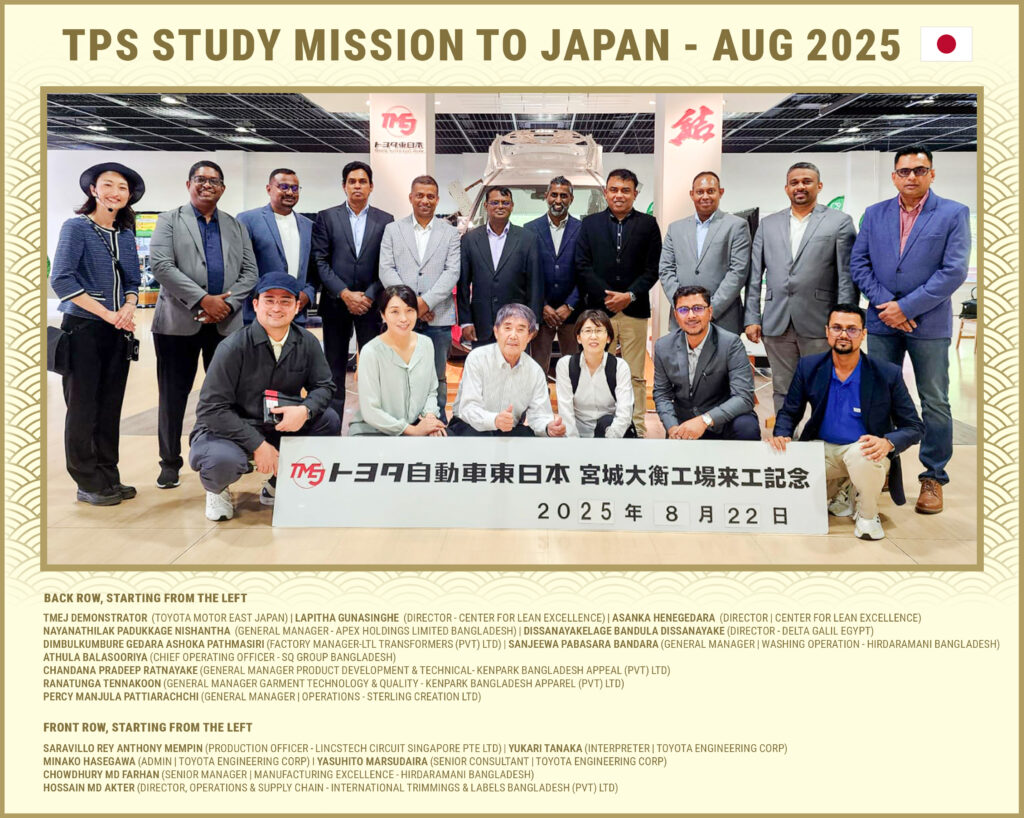
Credit: centerforlean.com
Real-life Examples Of Factory Interpreters In Action
Let’s look at some practical examples:
Textile Factory
A Japanese manager wants to improve production speed. The interpreter explains new methods to Bangladeshi workers, translates feedback, and helps solve problems. Production increases by 15% in one month. The manager praises the interpreter for helping workers feel confident with the new process.
Electronics Factory
During a quality inspection, the interpreter translates technical terms and helps workers understand strict Japanese standards. The factory passes the inspection and receives a big order from Japan. The interpreter also helps write the inspection report for headquarters.
Conflict Resolution
Two workers complain about overtime pay. The interpreter listens to both sides, explains the issue to Japanese managers, and helps reach a fair solution. Staff morale improves, and workers feel their concerns are heard.
Safety Emergency
A machine malfunctions, and workers panic. The interpreter quickly explains the emergency shutdown procedure, calls the maintenance team, and reassures workers. The situation is resolved safely.
Extra Example
A new factory is opening in Bangladesh. The interpreter helps train new staff, translates all documents, and acts as a cultural guide for Japanese managers. The factory launches on time, and both sides praise the interpreter’s work.
Common Mistakes Made By Beginners
New interpreters often make mistakes. Here are some to avoid:
- Literal Translation: Translating word-for-word can cause confusion. Instead, interpreters should explain ideas in context. For example, a direct translation of a Japanese idiom may not make sense in Bengali.
- Ignoring Cultural Nuances: Not explaining cultural habits can lead to misunderstandings. For example, not mentioning why a Japanese manager expects silence in meetings can confuse workers.
- Overconfidence: Thinking you know everything can lead to mistakes. It’s important to keep learning. Factories change, and so do processes and language.
- Not Listening Carefully: Missing key details can cause errors. For example, misunderstanding a safety rule can lead to accidents.
- Breaking Confidentiality: Sharing company secrets can damage trust. Interpreters must never discuss sensitive information outside the factory.
Additional Beginner Mistakes
- Translating Too Fast: Rushing can lead to mistakes. It’s better to pause and check understanding.
- Not Asking Questions: If something is unclear, always ask for clarification.
- Forgetting Non-verbal Cues: Sometimes, tone and body language are as important as words.
Tools And Technology Used By Factory Interpreters
Modern interpreters use several tools to help their work:
Electronic Dictionaries
Handheld devices or smartphone apps make it easy to check words quickly. These are especially useful for technical terms.
Translation Apps
Apps like Google Translate can help, but interpreters must check accuracy. Machine translation is not always reliable for technical or cultural language.
Factory Manuals
Written guides in Japanese and Bengali help explain technical terms. Many factories create bilingual manuals for training and safety.
Audio Recorders
Recording conversations can help interpreters review instructions and prepare reports. Always get permission before recording.
Video Calls
Sometimes, interpreters help with remote meetings between Bangladesh and Japan. Video tools like Zoom or Teams let interpreters join meetings from anywhere.
Here is a comparison of traditional and modern tools:
| Tool | Traditional | Modern |
|---|---|---|
| Dictionary | Book | App |
| Translation | Manual | AI App |
| Training | In-person | Online |
| Communication | Face-to-face | Video Call |
Non-obvious Tool
Some interpreters use voice recognition software to speed up note-taking or help translate long documents.
Practical Tip
Always check the accuracy of apps and online tools. Human judgment is still needed—technology can support, but not replace, a skilled interpreter.
Cultural Differences Between Japan And Bangladesh In Factory Settings
Understanding culture is as important as language. Here are some key differences:
Work Ethic
Japanese managers value punctuality, discipline, and teamwork. Bangladeshi workers may be more flexible and informal. For example, Japanese staff may expect everyone to arrive five minutes early, while Bangladeshi workers may see this as unnecessary.
Communication Style
Japanese prefer indirect, polite communication. Bangladeshis are often more direct. For example, a Japanese manager may say, “This could be improved,” when they mean something is wrong. The interpreter must explain the true meaning without offending anyone.
Hierarchy
Japanese factories have strict hierarchies. In Bangladesh, relationships are sometimes more relaxed. An interpreter might need to explain why workers should address managers with extra respect.
Problem Solving
Japanese managers often use group decision-making. Bangladeshi workers may expect leaders to make quick decisions. Interpreters help both sides understand these differences and avoid conflicts.
Extra Cultural Tips
- Japanese factories often hold morning meetings with team exercises. Interpreters can explain the importance of these routines.
- Gift-giving is common in Japanese business culture. Interpreters may help organize or explain these customs.
Impact Of Factory Interpreters On Bangladesh-japan Relations
Factory interpreters play a big role in building trust between Japan and Bangladesh. Here’s how:
- Business Growth: Smooth communication attracts more Japanese investment. When factories run well, Japanese companies are more likely to expand.
- Workforce Development: Bangladeshi workers learn new skills and improve their careers. Interpreters help workers learn Japanese methods, which can lead to promotions and higher salaries.
- Cultural Exchange: Both sides learn from each other, creating a positive work environment. Japanese managers often enjoy learning about Bangladeshi culture and food.
- Reputation: Successful factories show Bangladesh is a reliable partner for Japanese companies. This can lead to more investment and new jobs.
Interpreters are often seen as ambassadors, helping both countries work together. Their work builds bridges, not just between people, but between economies and cultures.
Non-obvious Impact
Interpreters often help outside the factory, for example, by helping Japanese families settle in Bangladesh or supporting charity projects in local communities.
Requirements To Become A Factory Interpreter
If you want to become a factory interpreter, here’s what you need:
- Language Skills: Japanese (JLPT N2 or N1), Bengali, and basic English. Focus on speaking, listening, and technical vocabulary.
- Factory Knowledge: Understanding production processes and safety rules. Many interpreters read factory manuals or shadow supervisors to learn.
- Certificate: Language certificates and sometimes factory training certificates. Some factories also require health and safety training.
- Experience: Internships or assistant roles in factories. Real-world experience is often more important than classroom learning.
- Soft Skills: Patience, problem-solving, confidentiality.
Many interpreters start as assistants and work their way up. Some even learn Japanese while working on the factory floor.
Extra Advice
- Join interpreter associations or networks to find job leads and training.
- Stay updated on Japanese business news—this helps in interviews and on the job.
Japanese Companies Operating Factories In Bangladesh
Many Japanese companies have factories in Bangladesh. Some examples include:
- UNIQLO: Clothing production
- Panasonic: Electronics assembly
- Toyota Tsusho: Auto parts
- Sumitomo Corporation: Textile production
These companies require skilled interpreters to manage their operations.
Here is a table comparing Japanese factory investments in Bangladesh:
| Company | Industry | Employees | Interpreter Roles |
|---|---|---|---|
| UNIQLO | Textile | 2,000+ | Training, Quality Control, Production Meetings |
| Panasonic | Electronics | 500+ | Assembly Instructions, Technical Troubleshooting |
| Toyota Tsusho | Auto Parts | 300+ | Production Management, Logistics |
| Sumitomo Corp. | Textile | 1,500+ | Safety, HR, Meeting Support |
Extra Insight
As Japanese companies expand, they often bring in more Japanese staff for training and audits. Interpreters play a key role in these visits, helping with everything from airport pickups to factory tours.
How To Improve As A Factory Interpreter
Interpreters can always get better. Here are some tips:
- Keep Learning: Study new factory terms, production methods, and Japanese cultural trends. Subscribe to Japanese business magazines or follow industry news online.
- Practice Listening: Listen to Japanese news, podcasts, and factory instructions. Try shadowing Japanese TV shows to improve your listening skills.
- Join Workshops: Attend interpreter training sessions and cultural workshops. These are often organized by language schools or the Japanese embassy.
- Build Relationships: Get to know both Japanese managers and Bangladeshi workers. Understanding both sides helps you do your job better.
- Stay Calm: In stressful situations, focus on clear communication. Practice breathing or stress management techniques.
- Use Technology: Learn new translation apps and tools. Try out voice-to-text software or online training platforms.
Advanced Tips
- Offer to help write or translate factory manuals—this builds trust and improves your technical knowledge.
- Ask for feedback from managers and workers to improve your skills.
Legal And Ethical Considerations
Factory interpreters must follow legal and ethical rules:
- Confidentiality: Do not share company secrets. This includes production data, salary information, and business plans.
- Accuracy: Translate honestly, without adding or changing meaning. Do not “soften” or “strengthen” messages—just translate.
- Safety: Report unsafe conditions if noticed. If you see a safety problem, you have a responsibility to speak up.
- Fairness: Treat both sides equally. Do not take sides in disputes.
Breaking these rules can lead to dismissal or legal trouble. Some factories have strict codes of conduct for interpreters.
Non-obvious Risk
If an interpreter is caught sharing secrets (even by accident), they may be blacklisted from working for Japanese companies in the future.
Future Trends: Factory Interpreters In Bangladesh
The demand for factory interpreters is growing. Here are some future trends:
More Japanese Investment
Japanese companies are expanding in Bangladesh. This means more jobs for interpreters. New factories are being built every year, and more industries (like food processing and logistics) are hiring interpreters.
Technology Growth
AI translation tools are improving. But human interpreters are still needed for cultural and technical understanding. Factories may use apps for simple tasks, but complex negotiations or training still need a skilled interpreter.
Specialized Training
More courses for factory interpreters will appear, focusing on industry-specific language and skills. For example, courses in electronics, textiles, or automotive terms.
Remote Interpretation
Video calls and remote meetings are becoming common. Interpreters may work from home or join meetings online. This offers more flexibility and work-life balance.
Higher Salaries
As interpreters become more important, salaries and benefits are likely to increase. Factories are competing to hire the best talent.
Extra Trend
Some Japanese companies are sending Bangladeshi interpreters to Japan for training. This builds stronger connections and helps interpreters learn advanced skills.
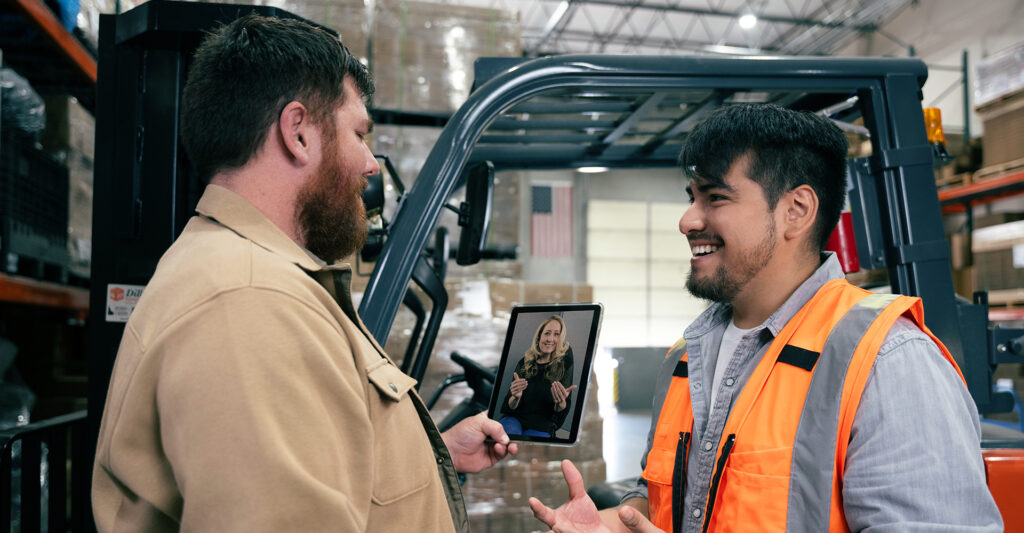
Credit: sorenson.com
The Path To Becoming An Expert Interpreter
If you want to be an expert, follow these steps:
- Study Japanese: Aim for JLPT N2 or N1. Join language classes, practice with native speakers, or study online.
- Learn Factory Terms: Study technical vocabulary for your industry. Read manuals, watch videos, and ask questions.
- Get Experience: Work as an assistant or intern in a factory. Real-world experience is the best teacher.
- Attend Workshops: Join cultural and interpreter training. Learn about Japanese business etiquette and factory management.
- Build a Network: Connect with other interpreters and factory managers. Attend industry events or join online forums.
- Stay Updated: Follow news about Japanese investment in Bangladesh.
Many interpreters also join professional groups or forums to share tips and find job opportunities. Networking can lead to better jobs and faster promotions.
Practical Advice For Factory Managers Hiring Interpreters
If you manage a Japanese factory in Bangladesh, here’s how to hire the right interpreter:
- Test Language Skills: Use real factory scenarios, not just written tests. Ask the candidate to translate a training session or safety instruction.
- Check Factory Knowledge: Ask about production processes and safety terms. A good interpreter knows how your factory works.
- Look for Soft Skills: Choose someone patient and adaptable. Technical skills can be taught, but attitude is key.
- Offer Training: Help interpreters learn your factory’s specific processes. The more they know, the more valuable they are.
- Build Trust: Make interpreters part of your team. Include them in meetings, training, and decision-making.
Avoid hiring only based on certificates. Experience and attitude matter most.
Tips For Bangladeshi Workers Working With Japanese Managers
If you are a Bangladeshi worker in a Japanese factory, here’s how to work well with interpreters:
- Speak Clearly: Use simple sentences and avoid slang. This makes translation easier.
- Listen Carefully: Follow instructions and ask questions if unsure. Never guess if you do not understand.
- Respect the Interpreter: They are there to help both sides. Treat them as a partner, not just a messenger.
- Give Feedback: Share your thoughts with interpreters so they can explain to managers. If something is unclear, say so.
- Learn Basic Japanese: Simple words like “hello,” “thank you,” and “goodbye” can help build trust.
Working with interpreters improves safety, quality, and job satisfaction. It can also open doors to promotions and new opportunities.
Real Data: Japanese Investment In Bangladesh
Japanese investment in Bangladesh is increasing every year. According to the Bangladesh Investment Development Authority, Japanese companies invested over $500 million in 2023, mainly in textiles and electronics.
There are more than 300 Japanese-owned factories, employing over 30,000 workers. Factory interpreters are crucial for these companies.
For more information, visit Wikipedia: Bangladesh–Japan relations.
Additional Insight
Japanese companies are also investing in roads, ports, and power plants in Bangladesh. This will create new jobs for interpreters in construction and logistics.
How Factory Interpreters Handle Emergency Situations
Factories sometimes face emergencies, such as fires, accidents, or machine breakdowns. Interpreters play a key role:
- Translate Safety Instructions: Make sure workers understand evacuation procedures. For example, if a fire alarm sounds, the interpreter explains where to go and what to do.
- Report Accidents: Communicate with Japanese managers quickly. If someone is injured, the interpreter helps explain the situation and coordinate help.
- Calm Workers: Help reduce panic by explaining what is happening. In emergencies, clear information saves lives.
- Support Recovery: Translate instructions for repairs or first aid. The interpreter may help coordinate with doctors, fire departments, or maintenance teams.
Interpreters may also help prepare safety drills and emergency plans. Their role in emergencies is critical—good communication can prevent disasters.
Practical Example
During a fire drill, the interpreter explains each step in both languages and answers questions. After the drill, they help managers review what went well and what can be improved.
Frequently Asked Questions
What Qualifications Do Factory Interpreters Need In Japanese Factories In Bangladesh?
Most factories require Japanese language certification (JLPT N2 or N1), fluency in Bengali, and basic English. Experience in factory work and knowledge of technical terms are also important. Some factories offer extra training for interpreters.
How Much Do Factory Interpreters Earn In Bangladesh?
Salaries vary by experience. Entry-level interpreters earn $300–$500 per month. Experienced interpreters can earn $600–$1,200 per month, and specialized roles may pay $1,500+ per month. Bonuses and benefits are common in larger factories.
What Challenges Do Factory Interpreters Face?
Common challenges include language complexity, fast-paced factory environments, cultural differences, emotional stress, isolation, and maintaining confidentiality. Interpreters also need to stay safe in factory settings.
How Can I Become A Factory Interpreter In Bangladesh?
Start by studying Japanese and aim for JLPT N2 or N1. Learn factory vocabulary, get experience as an assistant or intern, and attend workshops. Certificates and soft skills like patience and adaptability are important.
Are Factory Interpreters Necessary For Japanese Factories In Bangladesh?
Yes. Factory interpreters are essential for clear communication, safety, quality control, and workplace harmony. They help factories run smoothly and build trust between Japanese managers and Bangladeshi workers.
—
Factory interpreters are the bridge between Japan and Bangladesh in the factory world. Their work makes factories more efficient, safer, and happier places to work. As Japanese investment grows, interpreters will become even more important. If you are interested in this career, or if you manage a factory, understanding the value of interpreters can lead to greater success.