
The global garment industry is a fast-moving world. Companies design, produce, and ship clothing across borders every day. In this busy environment, clear communication is essential. One of the biggest challenges is the language barrier—especially when working with Japanese partners, factories, or clients. This is where a Japanese translator for the garment industry becomes not just helpful, but often essential.
Imagine a designer in Italy sending instructions to a factory in Osaka. Or a Japanese textile supplier discussing quality standards with a buyer in Vietnam. Misunderstandings can cause delays, waste money, and even damage business relationships. A skilled Japanese translator who understands the garment industry helps avoid these problems.
They make sure every word, technical detail, and cultural nuance is clear for both sides.
In this article, you will discover why translation is so important in the garment industry, what makes Japanese translation unique, and how the right translator can improve your business. We will also cover how to choose the best translator, the skills they need, the tools they use, and common mistakes to avoid.
Whether you are a small designer or a global brand, understanding the role of a Japanese translator can give you an advantage in the competitive world of fashion and textiles.
Why Translation Matters In The Garment Industry
The garment industry is global by nature. From sourcing raw materials to selling finished products, every step often involves people from different countries and languages. Japan is known for its high-quality textiles, advanced technology, and unique fashion trends. Many international brands want to work with Japanese companies or sell to Japanese customers.
But the Japanese language can be difficult for non-natives, and the industry uses many technical terms.
Translation is not just about changing words from one language to another. It is about making sure the meaning is clear, the instructions are accurate, and cultural differences are respected. For example, a simple mistake in a care label or a contract can lead to costly recalls or legal trouble.
In marketing, words that work well in English may sound strange or even rude in Japanese.
A Japanese translator for the garment industry helps in several ways:
- They make sure product specifications are clear and correct.
- They translate emails, contracts, and invoices to avoid misunderstandings.
- They help with marketing, so your brand message fits Japanese culture.
- They explain Japanese laws and regulations related to clothing, textiles, and safety.
Without proper translation, companies risk delays, extra costs, and unhappy customers. In a business where timing, quality, and reputation matter, a skilled translator is an investment, not a luxury.
It is also important to remember that clear translation speeds up production cycles. When a factory receives instructions in perfect Japanese, they can start work immediately. If they have to ask questions or wait for clarification, valuable time is lost.
In the fast world of fashion, missing deadlines can mean missing whole sales seasons.
For brands entering Japan, translation is the first step in building trust. Japanese buyers and consumers expect high standards. If your materials are unclear, or if your website sounds “foreign,” customers may worry about quality. On the other hand, accurate, natural Japanese shows you take their market seriously.
There is also a strong link between translation and safety. For example, if washing instructions are unclear, a customer may ruin a piece of clothing or even get hurt (like if a flammable material is not labeled). This can lead to complaints, returns, or even lawsuits.
A skilled translator protects both your customers and your business.
Unique Challenges In Japanese Translation For Garments
Not all translation is the same. Japanese translation for the garment industry has some special difficulties that beginners may not expect.
Technical Terminology
Garment production uses many technical terms. For example, words for types of fabric, stitching methods, or dyeing processes. Some of these terms are unique to Japan and do not have a direct translation. A translator needs to know both the language and the industry. For example, “chirimen” is a type of crepe fabric special to Japan. Translating it simply as “crepe” may lose important details.
For instance, the term “yarn-dyed” (先染め, saki-zome) refers to fabric dyed before weaving, which impacts colorfastness and texture. If a translator uses the wrong word, it could cause confusion in production or sourcing. Japanese often uses specific words for blends or finishes that do not appear in English catalogs.
Different Writing Systems
Japanese uses three writing systems: kanji, hiragana, and katakana. Technical terms and foreign words are often written in katakana. But sometimes, the same word can appear in kanji or hiragana. A skilled translator knows which form is correct for garment labels, catalogs, or instructions.
For example, “polyester” is usually written in katakana (ポリエステル), while “cotton” can appear as 綿 (men, kanji) or コットン (katakana). Using the wrong script can confuse consumers or look unprofessional.
Politeness And Formality
Japanese has a system of keigo (polite language) that shows respect. The wrong level of politeness can offend a business partner. For example, emails to suppliers use a different style than marketing messages for young shoppers. A translator who understands this can protect your professional image.
A common mistake is using overly casual language in contracts or business proposals. In Japan, this can be seen as disrespectful. On the other hand, using stiff, formal language in a marketing campaign aimed at teenagers might make your brand seem old-fashioned.
Regulatory Requirements
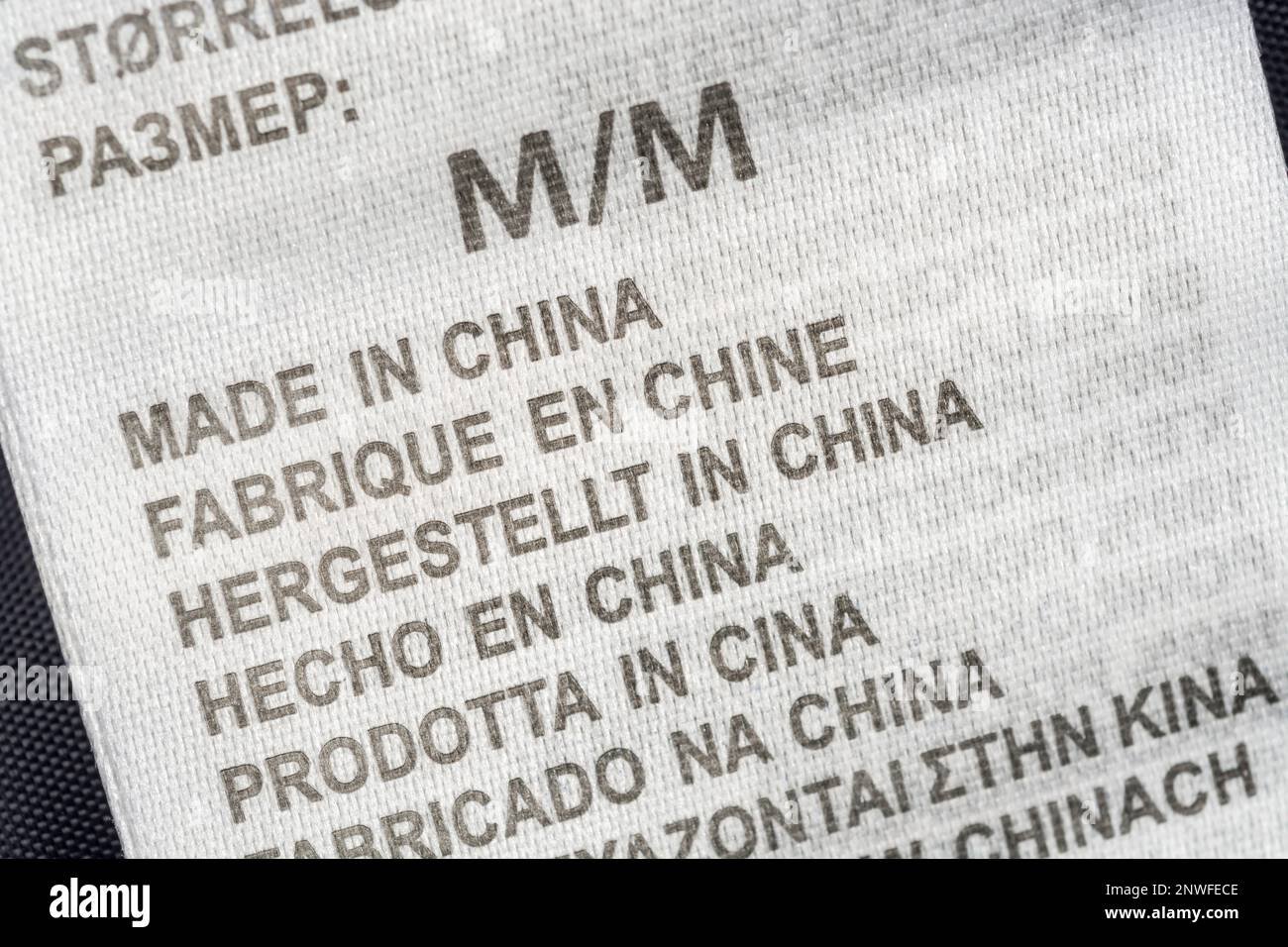
Japan has strict rules about labeling, safety, and quality. Labels must include information like fiber content, washing instructions, and country of origin—in Japanese, and often in a specific format. A translator who knows these rules helps you meet legal standards and avoid fines.
Some rules even specify the size and position of text on labels. For example, care symbols must follow the Japanese Industrial Standards (JIS). If you miss these details, your products might be stopped at customs or rejected by retailers.
Cultural Differences
Colors, symbols, and even numbers have special meanings in Japan. For example, the number 4 can mean bad luck. A direct translation of a marketing slogan may not work in Japan. A translator who understands these details can help your products succeed.
Other examples include flower imagery—chrysanthemums are used for funerals in Japan, so using them in branding may send the wrong message. A translator with cultural knowledge can warn you about these risks before they become problems.
Many beginners overlook how Japanese consumers read between the lines. A message that sounds exciting in English might feel pushy or unnatural in Japanese. Skilled translators adjust the tone to match local expectations.
Key Roles Of A Japanese Translator In The Garment Industry
A Japanese translator for the garment industry does much more than translate words. Their work supports many parts of the business. Here are some of the main roles they play:
1. Product Specification Translation
Designers, buyers, and factories need clear product information. Translators help with:
- Size charts
- Fabric descriptions
- Care instructions
- Color and pattern names
For example, Japanese size charts may use different standards (S, M, L, or numbers) than European or US charts. A good translator will adapt or explain these differences to avoid confusion.
2. Labeling And Tag Translation
Japanese law requires specific information on garment labels. Translators make sure:
- Labels meet legal standards
- Words are easy for Japanese consumers to understand
- Safety warnings are clear
Some brands add QR codes on tags linking to more information. Translators help create this digital content, too.
3. Email And Business Communication
Daily emails, order confirmations, and shipping details must be correct. Small errors can cause big problems. Translators help avoid confusion.
For example, the Japanese word for “shipment” (出荷, shukka) could be confused with “delivery” (納品, nouhin) if translated poorly, leading to timing errors.
4. Contracts And Legal Documents
Translating contracts or agreements is risky without a professional. Legal language is complex, and mistakes can be costly. A skilled translator protects both sides.
Japanese contracts often include unique sections such as “force majeure” (不可抗力, fukakōryoku) clauses. A translator ensures these are properly understood.
5. Marketing And Branding
Translators adapt slogans, ads, and product descriptions for Japanese culture. They make sure your message sounds natural and attractive to Japanese buyers.
For example, famous brands often change product names for the Japanese market to avoid negative associations or make names easier to pronounce.
6. Factory Visits And On-site Interpretation
Sometimes, companies need translators to join meetings or factory visits. An interpreter helps with live discussions, factory tours, and quality checks.
Having a translator on-site can prevent misunderstandings during sample reviews or technical discussions.
7. Training Manuals And Internal Documents
Garment companies often train staff across countries. Translators make training materials clear for Japanese workers or partners.
This includes safety manuals, machine instructions, and company policies.
8. Customer Support And After-sales Service
Good after-sales service builds trust. Translators help with customer questions, returns, and complaints in Japanese.
They can also help create FAQ pages and chat responses for e-commerce sites.
9. Quality Control Reports
Factories write quality reports in Japanese. Translators make these reports easy to read for foreign managers.
This helps managers make quick decisions on production or shipments.
10. Regulatory Compliance
Japanese laws change often. Translators keep companies updated on new rules for textiles, safety, and imports.
For example, changes in fire safety standards or new rules for recycled materials can impact your products.
Translators who can handle several roles are especially valuable for smaller brands with limited staff.
Essential Skills For A Japanese Translator In The Garment Sector
Not every Japanese translator can work well in the garment industry. The best translators have special skills:
- Industry Knowledge
They know garment terms, production steps, and common problems. This helps avoid mistakes.
For instance, knowing the difference between “double stitch” and “overlock” is important for production instructions.
- Bilingual Ability
They read, write, and speak both Japanese and another language (often English or Chinese) at a high level.
This includes understanding regional dialects or slang sometimes used in fashion.
- Attention to Detail
A missing word can change the meaning of a care label or contract. Good translators check their work carefully.
Some errors are not easy to spot but can change the meaning completely, like missing a “not” in a washing instruction.
- Cultural Understanding
They know what is polite or rude in Japanese business. They understand fashion trends and buyer behavior.
For example, they know that “cute” (kawaii) is a huge trend for young women’s fashion, and how to express it naturally in Japanese.
- Research Skills
Sometimes, new materials or styles appear. Translators must research and find the right terms.
For instance, new eco-friendly fibers may not have standard Japanese names yet.
- Tech Savvy
Many companies use translation software or online tools. A good translator knows how to use these, but does not depend on them.
They can work with your content management system or e-commerce platform for faster updates.
- Confidentiality
They handle private business information and do not share it.
This is especially important for new designs or business strategies.
- Problem-Solving
When a word or idea does not translate directly, they find creative solutions.
They might suggest adding a short explanation or using a Japanese term with a footnote.
One insight many beginners miss is the need for flexibility. Trends and products change quickly. The best translators keep learning and adapting.
Another is the importance of voice. Each brand has its own style, from luxury to streetwear. Skilled translators match this voice in Japanese, creating a seamless customer experience.
Credit: www.alamy.com
How To Choose The Right Japanese Translator For Garment Work
Picking the right translator is important for your business. Here are some steps and tips to help you choose well:
1. Check Experience In Garments
Choose someone with real experience in the garment industry. Ask for samples of past work or references from other clients. A translator who has worked with fashion brands or textile factories will know the right language.
Look for translators who have handled similar projects—like sportswear, luxury fashion, or kids’ clothing—since each has its own terms.
2. Test Technical Skills
Give the translator a short sample text with garment terms. See how well they handle technical words and industry details.
Include terms like “moisture wicking,” “bonded seams,” or “jacquard weave” to see their skill level.
3. Ask About Tools
Many translators use CAT tools (Computer-Assisted Translation) or glossaries. These tools help keep language consistent. Ask what tools they use and how they handle updates.
This is especially useful for large catalogs or frequent updates.
4. Look For Certification
Some translators have certificates from groups like the Japan Translation Federation or American Translators Association. Certification shows they are serious about their work.
Some have special certificates in technical or legal translation.
5. Review Turnaround Time
The garment industry moves fast. Ask how quickly the translator can finish a job, and if they can handle rush requests.
Discuss what happens if deadlines are missed, and if there are extra fees for urgent jobs.
6. Discuss Confidentiality
Make sure the translator will keep your business information private. A good translator signs a non-disclosure agreement if needed.
This protects your designs, prices, and business plans.
7. Compare Costs
Prices can vary. Some charge per word, others per page or hour. Compare prices, but remember—cheaper is not always better.
Ask about discounts for long-term partnerships or repeat work.
8. Test Communication
The best translators respond quickly, answer questions, and explain their choices. Good communication is a sign of professionalism.
If you have regular meetings, see if the translator can join or give quick updates.
9. Check For Localization Skills
If you need marketing or branding help, find a translator who can localize—not just translate. Localization means making the text fit Japanese culture, not just the language.
Ask for examples of past localized campaigns or product launches.
10. Start Small
Begin with a small project. If you are happy with the results, give bigger jobs later.
This builds trust and lets you see how the translator handles real work.
A common mistake is picking a translator only for price or general language skills. Industry experience and communication are just as important.
Common Translation Mistakes And How To Avoid Them
Even experienced companies make mistakes when working with translators. Knowing these errors can save you time and money.
1. Relying On Machine Translation Alone
Automated tools like Google Translate are fast, but they often miss context and technical terms. Always have a human review important texts.
For example, “press stud” and “snap button” are often confused, but mean different things in production.
2. Ignoring Cultural Differences
A direct translation of a slogan or product name can sound strange or rude in Japanese. Always ask for cultural advice.
Even color names can have different meanings: “ivory” (アイボリー) is popular, but “beige” (ベージュ) may not sell as well for some products.
3. Missing Legal Requirements
Japanese labels must meet legal rules. A mistake can lead to recalls or fines. Work with a translator who knows the law.
Sometimes, rules change quickly. For example, new labeling laws for recycled materials came into effect in recent years.
4. Not Reviewing Final Texts
Even good translators can make mistakes. Have another person check important documents before printing or sending.
This is called “proofreading” or “back translation” (translating back to the original to check meaning).
5. Skipping Glossaries
Without a company glossary, different translators may use different words for the same thing. Build a list of preferred terms for your brand.
This also helps with future updates and keeps your brand voice consistent.
6. Underestimating Time Needed
Good translation takes time. Rushing can lead to errors. Plan ahead for important projects.
If you need to translate a whole catalog, start early and set clear milestones.
7. Poor Communication
If you do not explain what you need, the translator may guess. Give clear instructions and examples.
Share your brand guidelines, target audience, and preferred style.
8. Not Updating Translations
Styles, terms, and laws change. Review and update your translated materials regularly.
For example, if you add new eco-friendly products, update your marketing and care instructions.
Many companies make these mistakes when expanding quickly. Taking time to set up good translation processes saves money in the long run.
Tools And Technology For Japanese Translation In Garments
Modern translation is not done with pen and paper alone. Many tools help translators work faster and more accurately.
Computer-assisted Translation (cat) Tools
CAT tools are special software for translators. They help with:
- Storing translations of common terms
- Keeping language consistent
- Speeding up the process
Popular CAT tools include SDL Trados Studio, MemoQ, and Wordfast.
CAT tools also allow for easy updates. For example, if you change a product name, the tool can update it across all documents.
Translation Memory
A translation memory is a database of sentences and phrases the translator has already done. When the same phrase appears again, the tool suggests the old translation. This is useful for:
- Product descriptions
- Care labels
- Repeated instructions
This saves time and reduces mistakes in large catalogs or e-commerce listings.
Terminology Glossaries
A glossary is a list of approved words for your company or industry. Translators use it to make sure everyone uses the same terms, like “polyester,” “seam,” or “waterproof.”
Glossaries can be shared with new translators, designers, or even marketing teams for consistency.
Machine Translation (mt)
Machine translation tools like Google Translate or DeepL can help with first drafts or simple texts. But for garment industry work, always have a human review the results.
MT can be useful for quick understanding of emails or supplier notes, but not for customer-facing content.
Quality Assurance Tools
These tools check for:
- Spelling mistakes
- Missing numbers or symbols
- Consistency
Examples are Xbench and Verifika.
They can also catch small errors, like missing care symbols or incorrect units (cm vs. in).
Collaboration Platforms
Many teams work online with translators. Tools like Slack, Trello, or Google Workspace help manage projects and share files.
For example, teams can leave comments on drafts, track changes, and store reference images.
An often-missed insight is that tools alone do not solve every problem. The translator’s skill and industry knowledge still matter most. But when used well, technology makes the translation process smoother and more reliable.
Japanese Garment Terms: Examples And Explanations
Many Japanese garment terms are unique. Knowing some common ones can help you understand your translator’s work.
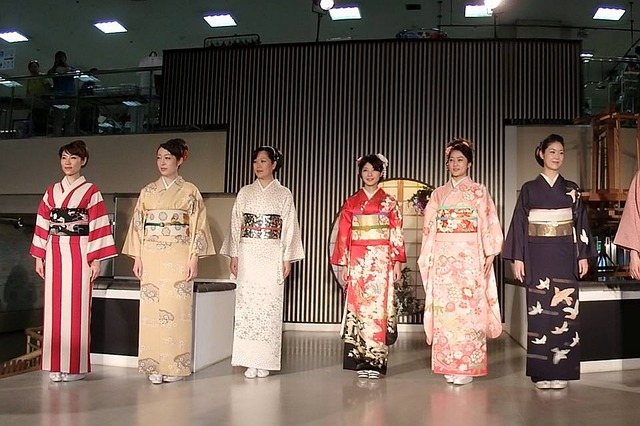
- 和服 (wafuku): Traditional Japanese clothing, like kimono.
- 着物 (kimono): A long, wide-sleeved robe tied with a sash.
- 浴衣 (yukata): A casual summer kimono made of cotton.
- 帯 (obi): The sash or belt for a kimono.
- 袴 (hakama): Pleated trousers often worn over kimono.
- 刺繍 (shishū): Embroidery.
- 絞り染め (shibori-zome): Tie-dyeing technique.
- ちりめん (chirimen): Japanese crepe fabric.
- 裏地 (uraji): Lining of a garment.
- 織物 (orimono): Woven fabric.
Translators often explain these words in footnotes or glossaries, or find the closest English equivalent.
Other useful terms include:
- 撥水 (hassui): Water-repellent
- 吸汗速乾 (kyūkan sokkan): Moisture-wicking and quick-drying
- 無地 (muji): Solid color, no pattern
For brands selling both Western and Japanese styles, translators must decide when to keep the Japanese term (like “kimono”) or use an English equivalent. Sometimes a short explanation is best.
When To Use A Human Translator Vs. Machine Translation
Sometimes, companies ask if they can use only machine translation tools. The answer depends on the situation.
When Machine Translation Is Enough
- Internal notes or rough drafts
- Simple, repeated instructions
- Non-critical information
For example, a quick check of competitor websites or casual updates.
When You Must Use A Human Translator
- Contracts, legal documents, and agreements
- Product labels and care instructions
- Marketing materials and branding
- Communication with customers or partners
- Technical manuals and training
Even if you use machine translation, always have a human check important texts. The cost of a mistake is often higher than the cost of a translator.
A practical example: A brand used machine translation for washing instructions. The result was unclear, and customers damaged their clothes. The cost of returns and lost trust was much higher than professional translation fees.
The Cost Of Japanese Translation In The Garment Industry
Translation prices can vary widely. They depend on the type of document, the translator’s experience, and how fast you need the work.
Here is a comparison of typical translation costs:
| Type of Translation | Average Cost (per word) | Typical Turnaround Time |
|---|---|---|
| Standard garment documents | $0.12 – $0.18 | 2-4 days |
| Technical manuals | $0.16 – $0.22 | 5-7 days |
| Legal contracts | $0.20 – $0.30 | 5-10 days |
| Marketing/Branding materials | $0.18 – $0.28 | 4-7 days |
Rush jobs or rare language pairs may cost more. Some translators offer discounts for large projects or repeated work.
One non-obvious insight: For large catalogs or websites, some agencies offer “per hour” or “per project” rates, which can be more cost-effective. Also, investing in a glossary or translation memory can reduce costs over time, since repeated phrases are cheaper to translate.
How Translation Impacts Garment Quality And Brand Value
Translation is often seen as a technical step, but it can have a big impact on your brand and quality.
Quality Control
Accurate translation helps factories follow instructions and keep quality high. A small translation error—like mixing up centimeters and inches—can ruin a whole batch of clothing.
There are stories of shipments being delayed or rejected because a label listed the wrong fabric blend. This leads to wasted materials and lost sales.
Brand Image
Japanese consumers pay attention to details. Bad translation on a label or ad makes your brand look unprofessional. Good translation shows you care about your customers.
For example, a well-translated product story can make a simple T-shirt feel special and increase sales.
Legal Safety
Correct translation of labels and instructions helps you follow Japanese law. This avoids fines, recalls, or legal disputes.
One real case involved a company that forgot to translate a fire warning on children’s pajamas. The result was a costly recall and legal action.
Customer Trust
Clear, polite, and correct Japanese builds trust. Customers are more likely to buy again or recommend your brand.
A common insight: Customer support in natural Japanese, not just translated from English, creates loyal fans.
Good translation is an invisible advantage—customers notice when it is missing, but rarely comment when it is done well.
Case Studies: Real-world Examples Of Japanese Translators In Action
Seeing how translators work in real situations can show their value.
Case Study 1: Saving A Product Launch
A European sportswear brand planned to launch a new line in Japan. Their first care labels, translated by a non-specialist, missed a required warning about flammable materials. A professional Japanese translator for the garment industry found the error during a review. The company fixed the labels before shipping, avoiding a costly recall and protecting their reputation.
This also strengthened the brand’s relationship with their Japanese distributor, who appreciated the attention to detail.
Case Study 2: Improving Factory Communication
An American designer sent instructions to a Japanese factory using Google Translate. The message was unclear, and the factory made the wrong sample. After hiring a skilled translator, the designer received accurate samples and built a better relationship with the factory.
The translator also helped set up a glossary, so future projects ran even more smoothly.
Case Study 3: Successful Marketing Adaptation
A fashion brand wanted to use its English slogan, “Wear Your Freedom,” in Japan. A direct translation sounded odd. Their translator suggested a new slogan that fit Japanese culture and fashion trends. Sales grew, and the brand gained a positive image in Japan.
The translator also advised on changing some colors in the ad campaign to match Japanese tastes, which boosted the brand’s popularity.
Japanese Translation Vs. Other Asian Languages In Garment Work
Japan is not the only Asian country in the garment industry. But Japanese translation is different from Chinese, Korean, or Vietnamese.
| Aspect | Japanese | Chinese | Korean |
|---|---|---|---|
| Writing System | Kanji, Hiragana, Katakana | Chinese characters (Hanzi) | Hangul (Korean alphabet) |
| Politeness Levels | Very complex | Somewhat formal | Formal and informal forms |
| Labeling Laws | Strict and specific | Strict, but different format | Clear but less complex |
| Market Preferences | Quality, detail, tradition | Trends, price, variety | Trends, style, youth market |
A translator who works well in Chinese or Korean may not know the details needed for Japan. Always choose a translator with specific Japanese experience.
Also, Japanese consumers often expect more detail on labels (like washing instructions and origin). A translator familiar only with Korean or Chinese standards might miss these details.
The Future Of Japanese Translation In The Garment Industry
Translation is always changing. New technology, new markets, and changing trends all affect how translators work.
Ai And Machine Learning
AI tools can translate simple texts faster than ever. But they still struggle with technical terms, culture, and style. Human translators will still be needed for important jobs.
Some agencies are starting to use AI for first drafts, but always include human review for quality.
More Localization
As Japanese consumers look for personal and unique products, companies need localization—not just translation. This means adapting products, ads, and even designs for Japanese tastes.
For example, brands are adding special limited editions only for Japan, with unique colors or packaging.
Growth In E-commerce
Online sales in Japan are growing. Brands need more translated product pages, customer service, and return policies. Fast, accurate translation will become even more important.
E-commerce platforms like Rakuten and ZOZOTOWN require very detailed product information in Japanese.
Sustainability And Ethics
Japanese consumers care about environmental and ethical issues. Companies must translate information about sustainability, materials, and labor practices clearly and honestly.
Brands that explain their environmental efforts in clear Japanese gain a strong reputation.
Remote Collaboration
Translators and companies now work together from anywhere in the world. This means more use of online tools and platforms for sharing files, tracking changes, and managing projects.
Some companies now have virtual “translation teams” that include staff, freelancers, and agencies working together.
A trend beginners may miss: Japanese customers are using mobile devices more than ever. Translators need to know how to write for small screens, where short, clear messages are best.
What To Include In A Translation Brief For Garment Projects
A translation brief is a set of instructions you give to your translator. A good brief leads to better results.
Include the following:
- The target audience (factory workers, consumers, legal, etc.)
- The purpose (labeling, marketing, contracts)
- Preferred terms or glossary
- File format (Word, Excel, PDF)
- Deadline
- Any reference materials (photos, past translations)
- Special instructions (politeness level, style, etc.)
This saves time and reduces errors.
For example, say if your label is for women’s casual wear and needs friendly language, or if it is a legal warning that must be very formal.
A missed insight: Including images of garments or labels helps translators understand the context, leading to better choices.
Building A Long-term Relationship With Your Japanese Translator
Switching translators often leads to inconsistency. Building a long-term partnership has many benefits:
- The translator learns your brand style and preferences.
- They help update glossaries and documents over time.
- They can advise on cultural trends and law changes.
- You get faster, more reliable service.
Treat your translator as a team member, not just a service provider.
Regular feedback helps translators improve and match your needs. Some companies even invite key translators to strategy meetings or product launches.
Credit: www.concordia-traduction.com
Japanese Translation For Garment Startups And Small Brands
You do not need to be a big company to benefit from skilled translation. Even small brands can gain from working with a Japanese translator.
Benefits For Startups
- Enter the Japanese market with confidence
- Avoid costly mistakes on labels or contracts
- Build a professional image from the start
Small brands can often grow quickly in Japan if they show attention to detail and respect for local culture.
Tips For Small Budgets
- Focus on key documents first (labels, contracts, main web pages)
- Use a glossary to keep language consistent
- Review and update translations as you grow
Some translators offer “startup packages” or lower rates for new brands. Ask about options.
Remember, good translation is an investment in your brand.
Training In-house Staff Vs. Hiring Freelance Translators
Some companies think about training their own staff to translate. Others hire freelancers or agencies. Both options have pros and cons.
Training In-house Staff
Pros:
- Staff know your products and company culture
- Faster communication
Cons:
- Takes time and money to train
- May lack professional translation skills
Many companies train bilingual staff to handle everyday emails, but use professionals for key documents.
Hiring Freelancers Or Agencies
Pros:
- Access to expert skills
- Flexible—use as needed
Cons:
- Less control over style at first
- May take time to find the right person
Some agencies offer a team of translators, which is useful for large projects.
Many companies use both: in-house for daily tasks, freelancers for big or critical jobs.
How To Test A Japanese Translator’s Skills
Before hiring, it is smart to test a translator’s skills. Here are some methods:
1. Sample Translation
Give them a short, real document with garment terms. Review their accuracy and style.
2. Glossary Use
See how they use your preferred terms or handle new ones.
3. Cultural Adaptation
Ask how they would adapt a marketing message for Japan.
4. Response Time
Note how quickly they answer emails or questions.
5. References
Ask for client feedback from other garment companies.
Testing helps avoid surprises later.
An extra tip: Ask the translator to explain why they made certain choices. Their answers show their understanding of culture and brand voice.
Legal And Regulatory Issues For Japanese Garment Translation
Japan has strict laws about clothing labels, safety, and advertising. Your translator must know these rules.
- Labeling Laws:
Labels must show fiber content, care symbols, country of origin, and contact info in Japanese.
- Import/Export Requirements:
Translations of customs documents must be accurate to avoid delays or fines.
- Consumer Protection:
Misleading or false claims in Japanese can lead to legal trouble.
- Privacy Laws:
If you collect customer data, privacy statements must be clear and legal in Japanese.
Work with a translator who stays updated on Japanese regulations.
For more detailed rules, check the [Japan Translation Federation](https://www.jtf.jp/).
How To Build A Glossary For Japanese Garment Translation
A glossary saves time and avoids confusion. Here is how to build one:
- List your key product names, materials, and terms.
- Ask your translator for the best Japanese equivalents.
- Add notes for special cases (for example, when to use katakana or kanji).
- Update the glossary as your products or terms change.
- Share the glossary with all translators and partners.
A good glossary is a valuable tool for any garment company.
It is also smart to include pictures or diagrams for complex terms, so translators and staff understand them clearly.
The Role Of Japanese Interpreters In The Garment Industry
Sometimes you need live interpretation, not just written translation.
Interpreters help with:
- Factory visits
- Trade shows
- Supplier negotiations
- Training sessions
A good interpreter knows both garment terms and business etiquette. They help build trust and avoid misunderstandings in person.
For example, during a factory audit, an interpreter can explain technical issues or mediate sensitive discussions.

Credit: en.wikipedia.org
Japanese Translation For E-commerce Garment Brands
Selling clothes online in Japan? Translation is key.
E-commerce translation includes:
- Product titles and descriptions
- Size charts (in Japanese sizes)
- Return and shipping policies
- Customer emails and support
- Marketing banners
Japanese shoppers expect clear, polite language and detailed information. Good translation can increase sales and reduce returns.
For example, unclear size guides are a top reason for returns in Japan. A skilled translator can help you avoid this problem.
Working With Japanese Textile Suppliers: Translation Needs
Textile suppliers in Japan are famous for quality and technology. If you work with them, translation helps with:
- Technical specs for fabrics (weight, weave, colorfastness)
- Orders and contracts
- Quality control reports
- Certificates of origin
Suppliers may use unique terms or abbreviations. A skilled translator can explain these details.
Sometimes, suppliers send material samples with handwritten notes in Japanese. Translators make sure you understand every detail.
Japanese Translation For Sustainable And Ethical Garment Brands
Sustainability is a growing trend. Japanese consumers want to know:
- Where materials come from
- How clothes are made
- Ethical working conditions
Translators help you explain your values, certifications, and processes in Japanese. This builds trust and supports your brand story.
If you have international eco-labels (like GOTS or OEKO-TEX), a translator can explain what these mean in Japanese.
The Importance Of Politeness In Japanese Translation
Japanese language has many levels of politeness. Using the wrong level can offend customers or partners.
Examples:
- Formal language for contracts or official letters
- Casual language for young consumers
- Respectful forms for supplier emails
A good translator knows when to use each style.
Some brands create separate versions of marketing materials for different age groups or customer types.
Japanese Translation For Garment Trade Shows And Events
Trade shows are important for finding new partners. Translators can help with:
- Booth materials (flyers, catalogs, signs)
- Interpreting meetings or presentations
- Following up with Japanese contacts after the event
Good translation makes your company look professional and open for business.
Some companies prepare bilingual business cards and catalogs, which helps attract more visitors.
The Role Of Translation In Japanese Fashion Trends
Japan is famous for unique fashion trends. Translators help you:
- Research and explain local trends
- Adapt your marketing for Japanese tastes
- Communicate with Japanese designers or influencers
Understanding trends can give your brand a competitive edge.
For example, trends like “normcore” or “genderless fashion” have their own Japanese terms and style. Translators who follow fashion news can advise on what will work.
How To Manage Translation Projects For Garment Companies
Managing translation well saves time and money. Here are some tips:
- Use a project manager or main contact for translators.
- Keep all files and instructions in one place (like Google Drive).
- Build a schedule with deadlines and check-ins.
- Review translations before printing or sending.
- Collect feedback from users or customers to improve future translations.
Good management leads to better results.
An insight: After a big project, hold a short review meeting with your translator. Discuss what worked and what can be improved.
Finding Japanese Translators Specializing In Garments
Where Can You Find Translators With Garment Experience?
- Translation agencies with textile or fashion clients
- Professional associations like the Japan Translation Federation
- Freelancer platforms (search for garment or textile experience)
- Industry events and trade shows
Always check for real garment industry samples before hiring.
Some agencies keep lists of translators with special skills, like garment labeling or e-commerce.
How To Build A Translation Workflow For Your Garment Business
A clear workflow helps everyone know their role.
- Receive the source documents.
- Send to the translator with a brief and glossary.
- Translator delivers the draft.
- In-house review for style and accuracy.
- Final approval and layout (for labels or catalogs).
- Update glossary or instructions if needed.
This workflow reduces mistakes and delays.
For ongoing projects, set up regular meetings or check-ins to handle updates quickly.
Japanese Translation And Digital Tools: What’s Next?
As technology grows, new tools help translators and garment companies.
- AI-powered translation for first drafts
- Collaboration software for teams
- Cloud-based glossaries for easy updates
- Quality-check tools that catch errors
But remember: technology is a helper, not a replacement for skilled human translators.
A practical tip: Use digital tools to store translation memories and glossaries. This makes it easier to onboard new translators as you grow.
Useful Resources For Japanese Garment Translation
To learn more or find help, check these resources:
- Japan Translation Federation (industry standards, translator directory)
- Japan Textile Federation (laws and trends)
- Japanese Industrial Standards (JIS) for labeling
- Fashion and textile glossaries (online or from agencies)
These resources help you stay informed and find the right partners.
Frequently Asked Questions
What Makes Japanese Garment Translation Different From Other Types Of Translation?
Japanese garment translation requires knowledge of technical garment terms, strict Japanese labeling laws, and cultural details that do not appear in other fields. Mistakes in translation can lead to legal problems or lost sales.
How Do I Know If A Translator Is Right For My Garment Company?
Look for industry experience, ask for garment-related samples, and test them with real documents. Good translators understand both language and the garment business.
Can I Use Machine Translation For Garment Labels Or Contracts?
No. Machine translation is not reliable for legal or technical documents in the garment industry. Always use a human translator for important materials.
How Do I Build A Glossary For My Brand’s Garment Translations?
Start with a list of your key terms, ask your translator for the best Japanese versions, and update the list as you grow. Share the glossary with all your partners to keep language consistent.
Are There Official Resources For Japanese Garment Translation Laws?
Yes. The Japan Translation Federation and Japanese Industrial Standards (JIS) provide up-to-date laws and guides. Check their websites for details and updates.
The garment industry is global, competitive, and fast-changing. Working with a skilled Japanese translator for the garment industry is one of the smartest moves you can make. Accurate, culturally aware translation protects your brand, pleases your customers, and helps your business grow in Japan and beyond.