
Bangladesh is one of the world’s top garment producers, supplying clothing for many global brands. In recent years, Japan has become a valuable export market for Bangladesh’s ready-made garment (RMG) sector. Japanese orders are known for their high standards, strict quality checks, and unique requirements. However, many Bangladeshi factories struggle to meet these expectations efficiently. The road from a factory in Dhaka to a store in Tokyo is full of hurdles. Understanding these garment production efficiency challenges is key for Bangladesh to grow its share in the Japanese market and build stronger trade relationships.
This article will explore the full picture of production challenges that Bangladeshi factories face when working on Japanese orders. It will cover the production process, export difficulties, Japanese buyer demands, quality and communication issues, cultural gaps, compliance standards, and supply chain complexities.
You’ll also find practical insights on how Bangladeshi factories can improve efficiency and better meet Japanese expectations.
Bangladesh–japan Garment Production: An Overview
Bangladesh became a major player in global garment manufacturing by offering competitive prices, a large workforce, and growing technical skills. Japan’s market is attractive because it values quality, reliability, and ethical production. Many Bangladeshi factories now receive orders from Japanese retailers like Uniqlo, Aeon, and Muji.
The typical garment production process for Japanese orders in Bangladesh includes several key steps:
- Order negotiation with Japanese buyers
- Design approval and technical sample making
- Sourcing raw materials (fabrics, trims, accessories)
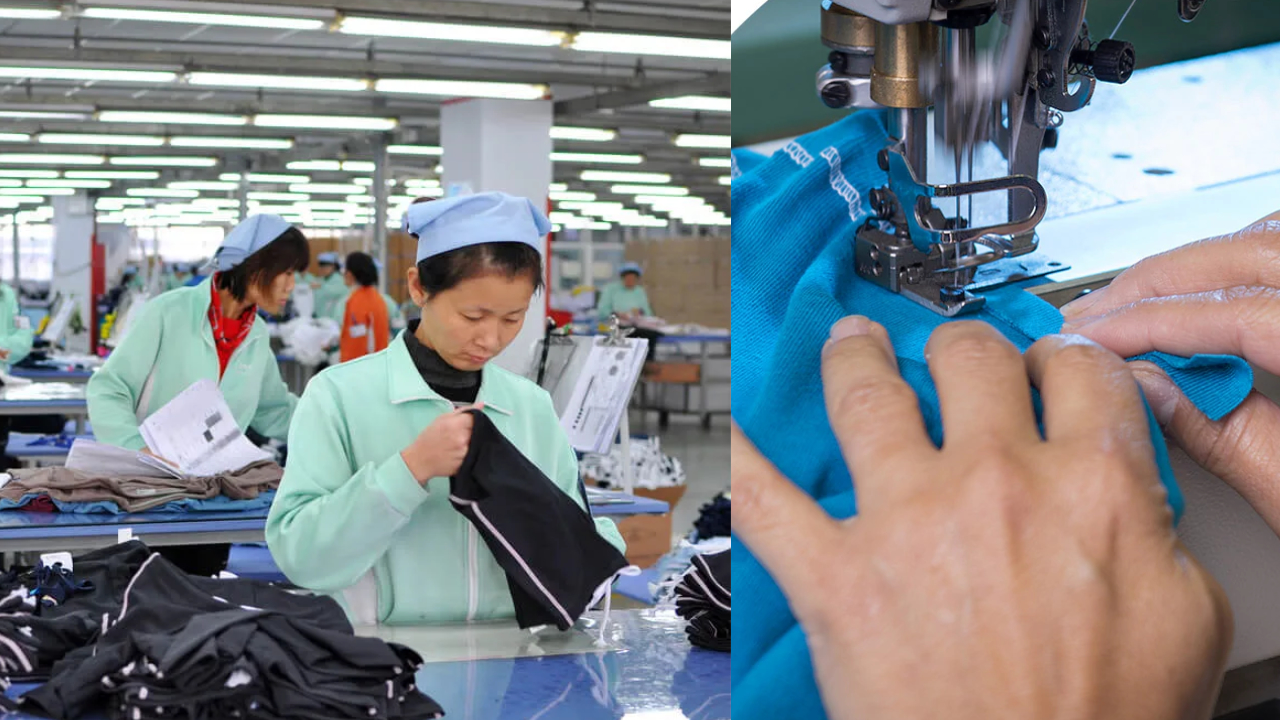
- Cutting, sewing, and finishing garments
- Quality inspections at multiple stages
- Packing and shipping the finished products
Each of these steps involves special care when working with Japanese buyers. For instance, during order negotiation, buyers often ask detailed questions about the factory’s previous experience, certifications, and ability to handle complex styles. They may also request to see previous samples or visit the factory in person before placing an order. This is different from some Western buyers, who may focus more on price and delivery time.
In the design approval stage, Japanese buyers typically require several rounds of sample making. They will check not only the look but also the feel, drape, and even the smell of the garment. Sometimes, they will send their own fabrics or trims to ensure the final product matches their expectations exactly. Factories must be ready to make quick adjustments based on feedback, which can be a challenge if communication is slow or unclear.
When it comes to sourcing raw materials, Japanese orders often specify exact types of fabric, thread, and trims. These materials may not be available locally, so factories must import them—sometimes from Japan itself. This adds extra steps, costs, and risks of delay. Factories that do not have strong sourcing teams or reliable suppliers often get stuck at this stage.
The cutting, sewing, and finishing processes must also be more precise. For example, Japanese buyers may require special edge finishes, invisible seams, or custom buttons. Workers must follow detailed instructions and use advanced machines. Even the way garments are pressed and folded can matter.
Quality inspections are stricter than with other markets. Japanese buyers may require photos or videos at each stage, or even send their own inspectors to the factory. Any defect, no matter how small, can lead to rejection of the whole batch.
Finally, packing and shipping must follow exact rules. Japanese buyers may want eco-friendly packaging, custom folding, or special labels in Japanese. If a single label is missing or a box is not packed as instructed, the order can be delayed or rejected.
Each step must meet strict Japanese standards. Even a small mistake can lead to order rejections, payment delays, or loss of future business. The pressure to be perfect at every stage is much higher than for most other markets.
Garment Production Efficiency: Why It’s Hard For Japan Orders
Producing garments efficiently means making quality products with minimal waste, delays, or errors. For Japanese orders, efficiency is more difficult because of several reasons:
- High quality standards: Japanese buyers are strict about stitching, fit, colorfastness, and even small details.
- Unique designs: Japan often asks for special cuts, fabrics, or features that are not common in other export markets.
- Short lead times: Japanese retailers want quick delivery but do not compromise on quality.
- Smaller order sizes: Compared to Europe or the US, Japanese orders are often smaller and more varied, making mass production harder.
A closer look at these points shows why they challenge efficiency:
High quality standards: For example, Japanese buyers may use a “zero defect” approach. If even one shirt in a batch has a loose button, the whole shipment may be flagged. Factories must check every piece carefully, which takes more time and skill.
Unique designs: Japanese fashion trends change quickly and often involve complex construction, like layered garments or innovative textiles. Factories need to adjust their lines, retrain workers, or bring in new equipment for each order. This is much harder than repeating the same T-shirt for other markets.
Short lead times: Japanese retailers often want delivery in 45–60 days, including time for sample approval, sourcing, and shipping. If fabric is delayed or there is a production mistake, there is little room to recover lost time. This puts factories under pressure to work faster, but without compromising quality—a tough balance.
Smaller, more varied orders: While a US buyer might order 100,000 pieces of a single style, a Japanese buyer might order 2,000 pieces each of 10–15 styles. Each style might have different fabrics, colors, and sizes. Factories must switch setups frequently, which slows down production and increases the risk of errors.
Additional complexity: Japanese buyers also expect detailed documentation, eco-friendly practices, and sometimes special certifications. Meeting all these requirements adds extra steps to the process.
Let’s look deeper into each stage of the process to see where efficiency problems appear.
Garment Export Challenges From Bangladesh To Japan
Exporting garments to Japan is not the same as exporting to the EU or US. There are several unique challenges:
- Stringent Testing and Certification: Japanese authorities require tests for chemicals (like azo dyes or formaldehyde), product safety, and labeling. Many Bangladeshi exporters are not familiar with these rules or lack proper labs.
For example, the Japanese Textile Products Quality and Labeling Law is very strict. Every garment must have labels in Japanese, showing the exact fiber content, care instructions, country of origin, and sometimes even the batch number. If a label is missing or incorrect, customs can reject the shipment.
Many Bangladeshi factories do not have Japanese-speaking staff to check these details, leading to costly mistakes.
- Language Barrier: Most documents must be in Japanese. Misunderstandings in paperwork or labels can delay shipments or cause rejections.
Many Bangladeshi factories rely on English for export, but Japanese customs and retailers often demand paperwork in Japanese. Even a small translation error—like confusing “cotton” and “polyester”—can cause big problems. Some factories try to use online translation tools, but these are not always accurate for technical terms.
- Complex Customs Procedures: Japan has strict customs for textile imports. Even a small error in documentation or packing lists can cause long delays at the port.
Japanese customs officers inspect shipments carefully. If there are inconsistencies in the invoice, packing list, or shipping documents, the goods may be held for inspection. This can add days or weeks to delivery time, causing buyers to lose confidence.
- Logistics and Shipping: Ocean freight from Bangladesh to Japan is longer and more expensive than to European markets. Air shipment is costly and only used for urgent orders.
The typical sea route from Chittagong port to Japanese ports like Yokohama or Kobe takes about 18–25 days, depending on the shipping line and transshipment. Delays at the port in Bangladesh or in transshipment hubs like Singapore can add to the time.
Air freight is much faster but can cost up to 10 times more. Factories must plan production and shipping schedules very carefully to avoid missing deadlines.
- Market Entry Costs: Getting listed with a Japanese retailer requires investment in certifications, sample shipments, and sometimes local agents.
Japanese buyers want to see not only product samples but also proof of social and environmental compliance. Factories may need to pay for audits, certifications, and even register with Japanese authorities. This is a bigger upfront investment compared to many Western buyers.
- Smaller, Frequent Orders: Japanese buyers often place smaller but more frequent orders. This increases complexity and lowers efficiency compared to large, steady US or EU contracts.
Factories need to reset production lines, source different materials, and manage more paperwork for each small order. This increases costs and the risk of errors.
Example: A Bangladeshi factory may easily handle a 100,000-piece order for the US but struggles to manage 20 different styles in 1,000-piece lots for Japan, each with unique trims and finishes. For a Japanese order, the factory may need to source 10 different fabrics, train workers for new stitching techniques, and check each piece with extra care. This takes more time and increases the chance of mistakes.
Hidden challenge: Japanese buyers sometimes expect suppliers to hold inventory of certain fabrics or trims so that re-orders can be delivered quickly. This ties up factory capital and requires good warehouse management.
Japanese Buyer Requirements In Bangladesh Garment Industry
Japanese buyers are known for being detail-oriented and cautious. Their requirements include:
- Perfect Stitching: Even, tight, and durable stitches are a must. Loose threads are unacceptable.
Japanese buyers might even measure the number of stitches per inch, check the back side of seams, and pull on buttons to test their strength. Any loose thread or skipped stitch is a serious defect.
- Exact Measurements: Tolerance is often less than 0.5 cm for key measurements.
For example, if a shirt is supposed to be 40 cm wide at the chest, a Japanese buyer might reject it if it is 40. 6 cm or 39. 4 cm. This demands high-precision cutting and sewing.
- Color Consistency: All pieces must match exactly, with no shade differences.
Japanese fashion is sensitive to color. Even a slight difference between lots—known as “shading”—can result in rejection. Factories must manage dye lots carefully and check every roll of fabric.
- No Harmful Chemicals: Garments must pass strict tests for chemicals and dyes.
Japan bans the use of certain dyes and chemicals. Factories must work only with approved suppliers and test every batch of fabric, thread, and trims. Missing this step can mean a whole shipment is destroyed or returned.
- Neat Packing: Packing must follow detailed instructions, sometimes with reusable bags, silica gel, or unique folding methods.
For example, some buyers want each garment folded to a specific size, with a certain type of bag, sticker, or hanger. Even the direction of the fold can matter. If packing is not perfect, the buyer may ask the factory to repack everything at their own cost.
- Product Safety: Zippers, buttons, and trims must not have sharp edges. All children’s clothing must pass choking hazard checks.
Japanese laws on product safety are strict, especially for children’s clothes. Factories need to test all accessories and keep records.
- Eco-friendly Practices: Increasingly, buyers want organic fabrics, recycled materials, and evidence of reduced water or energy use.
Japanese consumers care about sustainability. Buyers may ask factories for certificates proving that materials are organic or recycled, or for reports on how much water and electricity were used in production.
Japanese buyers also expect proactive communication and quick response to any issues. They may ask for daily production updates, photos of finished goods, or real-time reports on defects. They often send their own quality inspectors to Bangladeshi factories for final checks. If a factory cannot provide this level of transparency, buyers may look elsewhere.
Extra note: Some Japanese buyers also require “Kanban” systems (a method for tracking orders and inventory), or ask for “5S” workplace organization practices. These are common in Japan but less familiar in Bangladesh.
Credit: thygesenapparel.com
Manufacturing Challenges For The Japan Market In Bangladesh
Bangladeshi factories face several hurdles when making garments for Japanese clients:
Technical Capability Gaps
Many factories are set up for large, simple orders. Japanese styles often have:
- Complex designs (e.g., asymmetrical cuts, multiple pockets, special linings)
- Advanced stitching (e.g., seamless finishes, hidden zippers)
- Difficult fabrics (e.g., lightweight organic cotton, technical knits)
This requires skilled operators, special machines, and more time for training and setup. Factories that rely on basic machinery and low-skill labor may struggle.
For example, a Japanese brand might want a shirt with a hidden zipper and contrast piping—both require special attachments on sewing machines. If the factory does not have the right machines or workers do not know how to use them, mistakes are likely.
Factories must also handle more style changes and small batch runs. Setting up a production line for 500 pieces of one style, then changing to another style the next day, is much more complex than running one style for weeks.
Quality Control Challenges
Japanese buyers check every detail. Issues that are sometimes accepted by other markets (like minor color shade differences or slightly uneven seams) are rejected by Japan. Many Bangladeshi factories lack:
- Advanced quality control systems
- Real-time defect tracking
- Well-trained QC teams
Some factories still use manual inspection, checking finished garments one by one. This can miss hidden defects, especially on the inside or in small details. Japanese buyers may also want “inline” QC—checking during sewing, not just at the end. Many Bangladeshi factories do not have systems for this.
Non-obvious insight: Japanese buyers sometimes use their own checklists, which are more detailed than those used in Bangladesh. Factories need to learn and apply these checklists, not just their own.
Lead Time Management
Japanese orders often have short lead times, but also require many style changes in the same order. Factories with slow material sourcing or inefficient line balancing cannot keep up.
For instance, if fabric is delayed by even a few days, the whole order can be late. Factories that do not plan for extra time or do not have backup suppliers are at higher risk of missing deadlines.
Practical tip: Some factories have started using “pre-production meetings” for every Japanese order, to review all requirements, check readiness, and identify risks. This helps avoid last-minute surprises.
Documentation And Compliance
Japanese buyers require extensive documentation for every batch, including:
- Material traceability
- Chemical test reports
- Packing lists in Japanese
Mistakes in paperwork can lead to shipment holds or returned goods. Some factories have started hiring dedicated compliance officers just for Japanese orders.
Extra challenge: Japanese buyers sometimes want digital records of every step—from fabric arrival to final packing. Factories must be able to scan and upload documents, take photos, and share them quickly.
Quality And Communication Challenges In Bangladesh–japan Apparel Trade
Language And Communication Barriers
Most Japanese buyers do not speak Bengali or English fluently. Most Bangladeshi merchandisers cannot speak Japanese. This leads to:
- Misunderstandings: A simple translation error can lead to wrong fabric, wrong size, or wrong packaging.
- Delays: Waiting for clarification can slow the whole process.
Non-obvious insight: Often, the biggest issues come not from technical mistakes, but from simple communication gaps—like a wrong measurement unit, or a misunderstood sketch.
For example, a Japanese buyer might request “センチ” (centimeters), but if a factory reads this as “インチ” (inches), the whole batch can be made in the wrong size. These simple errors can be avoided by double-checking with the buyer, but it requires time and patience.
Reporting And Feedback Loops
Japanese buyers expect daily or weekly updates. Many Bangladeshi factories are not used to such frequent, structured reporting.
Example: A Japanese buyer may expect photos of production at each stage—cutting, sewing, finishing—while a Bangladeshi factory may only send updates at the end.
Regular reporting helps buyers feel confident, but it requires factories to have dedicated staff for taking photos, writing reports, and responding to questions. Some factories now use WhatsApp or other messaging apps to share quick updates with buyers.
Insight for beginners: Japanese buyers also value honesty. If there is a problem, they prefer to know right away—even if it is bad news. Factories that hide issues or delay reporting lose trust quickly.
Problem Escalation
When there is a quality issue, Japanese buyers expect immediate notification and a corrective action plan. Some Bangladeshi factories hesitate to share bad news, fearing loss of the order.
This can make the problem worse. Japanese buyers often have solutions or can accept minor delays if they are told early. But if the problem is hidden and only discovered at the last minute, the buyer may cancel the order or refuse future business.
Practical advice: Factories should create a clear system for escalating problems quickly and honestly, with proposed solutions attached.
Cultural Differences In Bangladesh–japan Garment Business
Approach To Business Relationships
- Japan: Relationships are based on trust, long-term thinking, and slow decision-making. They value face-to-face meetings and careful planning.
- Bangladesh: Deals are often fast, and focus on price and delivery. Relationships are important but often secondary to business needs.
This difference can create tension. Japanese buyers may see Bangladeshi factories as “too aggressive” or “not detail-oriented,” while Bangladeshi managers may see Japanese buyers as “too slow” or “hard to please. ”
Example: A Japanese buyer may take weeks to confirm an order, wanting to check every detail, while a Bangladeshi factory wants to start production quickly to meet delivery deadlines.
Attitude Toward Quality
Japanese culture treats quality as non-negotiable. Even a small defect is unacceptable. In Bangladesh, there is often a belief that “minor” defects are normal and can be negotiated.
Practical example: In some factories, workers are told to hide small defects or repair them quietly. Japanese buyers, however, want to know about all problems and expect them to be fixed at the root cause—not just patched up.
Decision-making Styles
Japanese companies often require many approvals for changes. Bangladeshi factories are used to fast decisions. This can cause frustration on both sides.
For example, if a fabric is out of stock, a Bangladeshi manager may want to substitute a similar fabric and keep production moving. But the Japanese buyer may need time to get internal approvals or test the new fabric, which can slow everything down.
Face Saving
Japanese managers avoid open criticism. Bangladeshi managers may be more direct. This can lead to misunderstandings if feedback is not given or received as expected.
Tip: When a Japanese buyer gives soft feedback, like “this could be improved,” they may actually mean “this is not acceptable.” Factories need to learn how to read between the lines and act quickly, even if the feedback seems gentle.
Compliance And Quality Issues In Garment Export To Japan
Compliance is a major issue for the Japanese market. Key areas include:
Chemical Safety
Japan bans many chemicals that are common in textile processing (azo dyes, formaldehyde, heavy metals). Factories need:
- Certified chemical suppliers
- Regular lab tests
- Proper documentation
Common mistake: Using leftover dyes or chemicals from other orders without checking if they meet Japanese standards.
Extra detail: Japanese buyers may want to see test reports from internationally recognized labs, not just the factory’s own lab. Some buyers even require random spot checks during production.
Social And Environmental Compliance
Japanese buyers are increasingly concerned about:
- Worker safety
- Reasonable working hours
- No child or forced labor
- Environmental management (wastewater, emissions)
Many Bangladeshi factories still lack international certifications (e. g. , ISO 14001, Oeko-Tex, Sedex).
Example: A Japanese buyer may ask to see records of fire drills, emergency exits, or worker training. If the factory cannot provide this, the buyer may not place an order.
Product Safety
Children’s garments require extra tests (e. g. , for choking hazards, small parts, sharp edges). Factories need to set up special checks and keep records.
Non-obvious insight: Japanese buyers also care about the safety of packaging materials—plastic bags must not pose a suffocation risk, and warning labels may be required.
Factory Audits
Japanese buyers often do unannounced audits. Factories must be ready at all times, with clear records and trained staff.
Practical tip: Some factories prepare “audit files” for every Japanese order, so they can quickly show all required documents if an inspector arrives.
Supply Chain Challenges In Bangladesh Garment Industry For Japan
Raw Material Sourcing
Bangladesh imports much of its fabric, yarn, and trims. For Japanese orders, buyers often specify:
- Japanese or high-quality Korean fabrics
- Certified organic cotton
- Special accessories
Sourcing these materials is slower and more expensive. Delays in fabric arrival can stop production lines.
Example: A factory may wait two weeks for organic cotton from India or buttons from Japan. If customs are slow, the whole production schedule is affected.
Supply Chain Reliability
Japanese buyers expect on-time delivery. Bangladesh’s supply chain faces:
- Port congestion and customs delays
- Unpredictable power outages
- Strikes or political unrest
Any delay affects the entire supply chain. Some buyers require “buffer time” in the production schedule, but this adds cost and complexity.
Flexibility
Japanese buyers often change styles or colors after placing the order. Bangladeshi supply chains are not always flexible enough to handle these last-minute changes.
Example: If a buyer decides to change the color of a trim halfway through production, the factory must quickly source the new color and adjust production lines. This is easier in countries like China or Vietnam, where supplier networks are larger and more agile.
Traceability
Buyers want to know where every material came from. Many Bangladeshi suppliers cannot provide detailed traceability records.
Tip: Some Japanese buyers now use QR codes or blockchain systems to track every step, from cotton field to finished garment. Factories that cannot provide this data may lose orders.
Here is a comparison of supply chain expectations:
| Aspect | Japanese Market | US/EU Market |
|---|---|---|
| Fabric Quality | Very High, Certified | High, but flexible |
| Order Size | Small, Frequent | Large, Less Frequent |
| Traceability | Detailed records required | Basic records accepted |
| Lead Time Flexibility | Low | Medium |
How To Meet Japanese Buyer Expectations In Bangladesh Factories
Improving efficiency for Japanese orders requires changes at every level:
Skilled Workforce And Training
- Skill Development: Train sewing operators and QC staff specifically for Japanese requirements.
Many factories now run special training programs focused on Japanese stitching, finishing, and inspection methods. These programs teach workers to spot and fix even the smallest defects and to work with advanced machines.
- Language Training: Hire Japanese-speaking merchandisers or use professional interpreters.
Some large factories now have Japanese language classes for merchandisers. Others hire staff from Japan or use local consultants who speak both languages. This helps reduce misunderstandings and speeds up approvals.
- Cultural Workshops: Teach staff about Japanese business culture and expectations.
Understanding Japanese values—like attention to detail, punctuality, and indirect communication—can help avoid unintentional mistakes.
Production Planning And Systems
- Flexible Lines: Set up production lines that can handle small batches and frequent style changes.
This may mean having more modular equipment, or teams that can switch between different styles quickly.
- Advanced Machinery: Invest in machines for complex stitches, seamless finishing, and technical fabrics.
For example, some factories have bought ultrasonic sewing machines or special embroidery machines to meet Japanese demands.
- Real-Time Monitoring: Use digital systems to track defects and production progress.
Software can help managers see where problems are happening and fix them before they grow.
Quality Control Upgrades
- Inline Inspection: Check quality at every stage, not just at the end.
Some factories now have inspectors walking the line and checking work as it happens, not just after garments are finished.
- Final Audit by Japanese Standards: Use checklists based on Japanese buyer feedback.
These checklists are more detailed and strict than those used for US or EU orders.
- Root Cause Analysis: If a defect is found, investigate and fix the underlying process, not just the product.
This could mean retraining workers, fixing machines, or changing suppliers.
Communication Improvements
- Structured Updates: Send regular, clear progress reports in Japanese or with visuals.
Photos, charts, and clear summaries help buyers see progress and feel confident.
- Problem Escalation: Report issues early with a proposed solution.
Buyers appreciate honesty and quick problem-solving.
- Documentation: Ensure all documents, labels, and instructions match Japanese requirements.
Double-checking all paperwork before shipping can prevent costly delays.
Supply Chain Strengthening
- Preferred Suppliers: Build relationships with fabric and trim suppliers who can deliver Japanese-standard materials fast.
Some factories now work with the same suppliers as Japanese brands, or even import directly from Japan.
- Inventory Management: Keep buffer stocks for key materials.
This helps avoid delays if a shipment is late.
- Logistics Planning: Work with logistics partners experienced in Japanese shipments.
Some shipping companies specialize in Japan-bound cargo and can help navigate customs rules.
Compliance And Certification
- Get Certified: Obtain relevant certifications (Oeko-Tex, ISO, Sedex).
This reassures buyers that the factory meets global standards.
- Ongoing Audits: Conduct internal audits regularly to maintain standards.
Some factories have full-time audit teams to check compliance.
- Chemical Management: Source only approved chemicals and keep records for every batch.
Digital tracking of chemicals and materials helps avoid mistakes.
Example Action Plan
- Audit current processes against Japanese buyer requirements.
- Create a training program for operators and merchandisers.
- Upgrade machinery for technical styles.
- Establish a Japanese language helpdesk for communication.
- Partner with certified suppliers for fabric and trims.
- Set up a rapid response team for last-minute changes or problems.
Non-obvious insight: Factories that involve Japanese buyers in process improvements—inviting them to visit, suggest changes, or run joint audits—often build stronger relationships and win more repeat business.
Practical Insights: What Beginners Miss
First Insight: Many new factories think that passing a basic quality test is enough for Japan. In reality, Japanese buyers check for “hidden” defects—like uneven tension, weak seams, or poor odor control—that are not obvious at first glance. Regular self-inspection and third-party checks are essential.
For instance, buyers may rub the fabric to check for color transfer, or smell the garment for chemical odors. These are not common tests in other markets but can cause rejections in Japan.
Second Insight: Speed is not just about production. It’s about the entire supply chain—from getting the right fabric on time to delivering perfect samples quickly. Many beginners focus only on sewing, but the real delays often come from late material arrivals or slow approvals.
Factories that plan for delays, use backup suppliers, and keep buyers informed are more successful.
Extra tip: Japanese buyers appreciate when factories suggest improvements, like better packaging methods or more sustainable materials. This proactive attitude sets suppliers apart.
Data: Bangladesh–japan Garment Trade
Bangladesh’s RMG exports to Japan have grown steadily but remain small compared to other markets.
| Year | Export Value (USD Billion) | % of Total RMG Exports |
|---|---|---|
| 2015-16 | 0.74 | 2.72% |
| 2017-18 | 1.09 | 3.49% |
| 2019-20 | 1.20 | 3.80% |
| 2021-22 | 1.25 | 3.60% |
The numbers show steady growth, but Japan is still a small slice of Bangladesh’s total exports. Improving production efficiency and meeting Japanese standards can help increase this share.
Trend to watch: As Japanese retailers focus more on sustainability and ethical sourcing, Bangladesh has a chance to grow its market share if factories invest in eco-friendly practices and certifications.

Credit: www.zendesk.com
Real-world Example: Japanese Order Journey In A Bangladeshi Factory
Let’s walk through a typical order to see where efficiency breaks down.
- Sample Request: The Japanese buyer sends a detailed tech pack (in Japanese). The Bangladeshi merchandiser uses Google Translate, risking errors.
Sometimes, the translation misses key details—like special instructions for buttons or the number of stitches required. This can lead to making the wrong sample and wasting time.
- Sample Approval: The buyer asks for three rounds of changes—each time, new trims are needed. Sourcing takes extra time.
Factories must find the exact trims, sometimes importing them from Japan or Korea. Each delay adds days to the timeline.
- Bulk Production: The factory receives fabric late due to customs delays.
With tight lead times, this delay means workers must rush, increasing the risk of mistakes or lower quality.
- Quality Checks: The buyer’s inspector finds loose threads and uneven collar shapes—whole batch needs rework.
Reworking garments is expensive and time-consuming. Sometimes, the factory must pay extra shipping costs to meet the deadline.
- Packing: The buyer wants each shirt folded in a special way, with a desiccant pouch. Workers are not trained, so mistakes occur.
Incorrect packing means repacking the whole batch, losing more time and money.
- Shipping: Documentation error in the packing list leads to customs hold in Japan.
The shipment is delayed, and the buyer faces empty shelves in their stores.
Each small issue adds days to the timeline and increases costs. Without strong systems, these problems repeat with every order.
Lesson: Factories that invest in Japanese-speaking staff, better planning, and ongoing training have fewer problems and win more repeat business.
Comparison: Bangladesh Vs. Other Apparel Exporters To Japan
How does Bangladesh compare to other countries like China or Vietnam for Japanese garment orders?
| Factor | Bangladesh | Vietnam | China |
|---|---|---|---|
| Production Cost | Low | Medium | High |
| Quality Consistency | Medium | High | High |
| Lead Time | Long | Short | Short |
| Technical Capability | Basic to Medium | Medium to High | High |
| Language/Communication | Weak | Strong | Strong |
| Japanese Market Share | Small | Large | Largest |
Bangladesh has a cost advantage but loses points in quality, speed, and communication.
Practical example: Japanese buyers may pay more to work with Vietnamese or Chinese factories because they trust the quality and communication is easier. For Bangladesh to compete, factories must invest in training, language skills, and better systems.
Long-term Solutions: Building Efficiency For Japanese Orders
Bangladesh can become a stronger partner for Japanese buyers by focusing on:
- Investing in automation: Machines for fabric cutting, sewing, and finishing can reduce errors and speed up production.
For example, automatic cutting machines ensure every piece is the same size, reducing human error.
- Developing a Japan desk: A specialized team that understands Japanese language, culture, and compliance.
This team can handle all communication, translate documents, and track requirements.
- Partnering with Japanese consultants: Invite experts to train staff and improve processes.
Some factories have hired Japanese quality managers or consultants to run workshops and suggest improvements.
- Upgrading supplier networks: Work with suppliers who already export to Japan.
These suppliers know the standards and can deliver materials faster.
- Adopting lean manufacturing: Reduce waste, improve line balancing, and ensure every step adds value.
Lean systems help factories make small batches efficiently and switch between styles quickly.
- Digitalization: Use ERP systems for real-time order tracking, defect logging, and document management.
Digital tools help managers spot problems early and keep buyers informed.
Non-obvious insight: Many factories focus only on the production floor but ignore the office side. Having a strong merchandising and planning team is just as important as having skilled sewing operators.
Another tip: Learning from competitors—visiting factories in Vietnam or China, or studying their systems—can help Bangladeshi factories improve faster.
Frequently Asked Questions
What Are The Main Challenges In Exporting Garments From Bangladesh To Japan?
The main challenges are meeting strict quality standards, managing small and complex orders, navigating language barriers, handling detailed compliance requirements, and dealing with supply chain delays. Japanese buyers expect perfect stitching, chemical safety, and on-time delivery, which require upgrades in skills, systems, and supplier networks.
Why Do Japanese Buyers Have Higher Requirements Than Other Markets?
Japanese buyers focus on long-term relationships, brand reputation, and customer safety. Their market values quality, durability, and attention to detail. They want to avoid recalls or complaints, so they set higher standards for stitching, chemicals, packaging, and social compliance.
How Can Bangladeshi Factories Improve Efficiency For Japanese Orders?
Factories can improve by training workers for Japanese standards, using modern machines, setting up flexible production lines, improving communication, and working with certified suppliers. Digital tools for tracking and reporting, plus regular internal audits, also help.
What Are Common Mistakes Bangladeshi Factories Make With Japanese Orders?
Common mistakes include misunderstanding technical instructions, using non-compliant chemicals, delaying updates to buyers, neglecting small defects, and failing to provide traceability records. Not preparing documents in Japanese or missing details in packaging are also frequent errors.
Where Can I Find More Information About Japan’s Garment Import Requirements?
A reliable source is the Japan External Trade Organization (JETRO). You can visit their website for official guidelines and updates: JETRO.
Bangladesh’s RMG sector has the potential to win more Japanese orders, but only if factories invest in skills, quality, and systems. Understanding and addressing these efficiency challenges will help both Bangladeshi exporters and Japanese buyers succeed together in the global apparel market.
Credit: www.publicissapient.com