
Bangladesh has become one of the world’s largest exporters of garments, supplying clothing to many countries, including Japan. Over the last decade, Japanese buyers have shown more interest in Bangladeshi apparel because of competitive prices and improving quality. However, exporting garments from Bangladesh to Japan is not simple. The process is filled with challenges—from production to shipment, and even after the goods reach Japan. Bangladeshi manufacturers face unique hurdles when serving Japanese clients, who have high expectations for quality, compliance, and business communication.
Understanding these challenges is important for garment exporters, factory owners, workers, and anyone connected to the Bangladesh Japan garment trade. This article will explore the full picture: the production process, Japanese buyer requirements, compliance issues, supply chain difficulties, and how factories can better meet Japanese expectations. You’ll also find real examples, data, and practical guidance on overcoming obstacles in this demanding export market.
Bangladesh-japan Garment Production Process
Supplying garments to Japan is different from exporting to other countries. Japanese buyers are known for their strict attention to detail, preference for quality, and unique fashion trends. Let’s look at how the typical production process works for this market and where the main challenges appear.
Order Placement And Sampling
Japanese buyers usually start with small test orders. They send detailed specifications, including:
- Fabric type and weight
- Color and print accuracy
- Measurement tolerances (often within 0.5 cm)
- Stitch density and seam appearance
- Trims and accessories
Bangladeshi factories must first create samples that perfectly match these requirements. If even a small detail is off, the buyer may reject the sample. This process can take multiple rounds, increasing costs and time.
For example, a Japanese casualwear brand might ask for a t-shirt sample with a very specific shade of blue and a certain “hand feel” (the way the fabric feels when touched). If the sample is not exactly right—even if the difference is minor—the process must start over.
Sometimes, buyers provide physical “counter samples” from other suppliers, and Bangladeshi factories must match these exactly. The sampling process can involve not only sewing but also washing, ironing, and packing the sample as if it were a real order, since Japanese buyers want to see the entire package.
A common challenge is the communication of these requirements. Japanese buyers often use technical terms or refer to Japanese industrial standards (like JIS for textiles), which Bangladeshi sample teams may not know. This can lead to misunderstandings, and extra time is spent correcting samples.
Another point is the time pressure. Japanese buyers expect a quick turnaround, sometimes requesting revised samples within a few days. If factories do not have a well-equipped sample room and experienced staff, they can lose orders before production even starts.
Sourcing Of Materials
Japan often asks for special fabrics or eco-friendly materials, which are not always available locally. Factories might need to import fabrics from China, Taiwan, or India, adding to lead time and cost. Sourcing high-quality zippers, buttons, and trims that meet Japanese safety and chemical standards can also be difficult.
For instance, Japanese regulations restrict the use of certain dyes and chemicals that are common in other markets. If a buyer requests a zipper that passes Japan’s strict nickel release test, it may not be available in the local market.
Factories then need to import from certified suppliers, which can add 2-3 weeks to the timeline. If customs clearance is delayed, production gets held up, and delivery targets are missed.
Another issue is “lot-to-lot” color consistency. Japanese buyers are sensitive to color differences between one batch and another. Local dye houses may not always guarantee this level of control, so factories sometimes need to pre-book extra fabric or trims to ensure all pieces match exactly.
This increases inventory costs and the risk of wastage.
Production And Quality Control
Once materials arrive, bulk production starts. Japanese buyers often request mid-production inspections to check quality at different stages. Factories must maintain strict quality control, including:
- Random garment inspections
- Colorfastness tests
- Needle detection for metal fragments
- Barcode and label checks
Many factories struggle because Japanese quality standards are even higher than those for Europe or the US. For example, a single missed stitch or a loose thread can cause a rejection. Some buyers require 100% inspection (checking every single piece), while others demand random “AQL” inspections with a much lower tolerance for defects.
Factories must also follow Japanese rules for needle detection. This means every finished garment is passed through a machine that detects broken needle tips or metal fragments. If any are found, the entire batch may be re-checked or rejected. Japanese buyers may even ask for photos or videos of the inspection process as proof.
To meet these requirements, some Bangladeshi factories now have separate quality control teams just for Japanese orders. These teams receive special training, and the factory may use Japanese quality management systems like “5S” or “Kaizen” (continuous improvement).
Final Inspection And Packing
Before shipping, buyers usually send their own inspectors or third-party agencies to conduct a final inspection. Packing must follow specific instructions—often with individual polybags, Japanese language labels, and strict carton sizes.
Packing errors—like a missing barcode, a misplaced sticker, or the wrong folding style—can result in the entire shipment being returned or relabeled at the factory’s expense. Japanese buyers expect garments to arrive “store-ready,” meaning they can be placed directly on shelves.
Sometimes, a shipment passes all internal checks but fails the buyer’s inspection because of a small detail. For example, a shirt collar might be 0. 6 cm wider than specified (when the tolerance is only 0. 5 cm). In such cases, buyers may ask the factory to open all cartons, fix the mistake, and repack—losing time and money.
Documentation And Shipment
Japanese customs require detailed and accurate documents. Any mistake in invoices, packing lists, or certificates of origin can delay the shipment. Electronic data submission is common, and paperwork must match the physical shipment exactly.
For instance, the “Harmonized System” (HS) code on the invoice must be correct, and the fiber content must match the physical label on each garment. If there is a mismatch, customs can hold the goods for weeks, costing the exporter extra fees and risking the relationship with the buyer.
Many Japanese importers now use digital systems for shipment tracking. Bangladeshi exporters must upload documents on time and answer any queries quickly. A missing document or delayed response can mean the difference between an on-time delivery and a missed season.
Japanese Buyer Requirements In Bangladesh Garment Industry
Japanese buyers are among the most demanding in the world. Their expectations go far beyond just price and quality. Here’s what they look for:
- Consistent Quality: Every garment must look exactly the same. Slight differences are not accepted. This applies to color, stitching, fit, and even the way garments are folded.
- Strict Measurement Tolerance: Japanese brands demand measurements within a very small range. A 1 cm difference can lead to rejection. Factories must use precise measurement tools and keep detailed records.
- High-Quality Stitching: No loose threads, skipped stitches, or uneven seams. Japanese consumers expect garments to last, and buyers will check for durability.
- Safe Chemicals and Materials: Compliance with Japanese chemical restrictions, especially for children’s clothing. Factories must provide test reports and may need to send samples to Japanese labs.
- On-Time Delivery: Late shipments can mean canceled orders and damaged relationships. Some Japanese buyers apply penalties for delays, so timely delivery is critical.
- Neat Packing and Labeling: Labels must be in Japanese, with clear washing instructions and correct fiber content. Even minor errors, like a missing kanji character, can cause problems.
- Transparency in Production: Buyers sometimes want to see factory conditions, worker treatment, and environmental practices. They may request “open book” costing, production videos, or photos of the workplace.
Japanese buyers are also sensitive to reputation and trust. If a supplier makes a mistake, it is very hard to regain their confidence.
A less obvious requirement is consistency in communication style. Japanese buyers appreciate polite, humble, and respectful emails. Using formal greetings, titles, and proper structure can help build trust. Some factories have even started training their merchandising staff in Japanese business etiquette.
Another point is the use of “Kanban” or production boards. Some Japanese buyers want to see real-time updates of production status, so factories are investing in digital dashboards and regular progress reports.
Garment Manufacturing Challenges For Japan Market In Bangladesh
Bangladesh’s garment industry is used to supplying the US and Europe. The Japanese market brings unique manufacturing challenges.
Technical Skills And Training
Japanese clothing often involves more complex patterns, detailed sewing, and careful finishing. Many Bangladeshi workers are not trained for this level of detail. Factories must invest in worker training and sometimes bring in technical experts to upgrade skills.
For example, a Japanese brand may require a special type of flatlock seam for sportswear, or a unique embroidery technique. If workers are not familiar with these methods, the sample will not pass, and the order is lost.
Some factories have started “train-the-trainer” programs, where a skilled supervisor learns from Japanese technicians and then teaches the rest of the team. Others send staff to Japan for short training trips, which helps build both skills and relationships.
Equipment And Technology
Some Japanese orders require advanced machines, such as computerized embroidery, laser cutting, or automatic quality control. Not all Bangladeshi factories have these technologies. Upgrading machines is expensive but often necessary to win Japanese orders.
For example, a Japanese buyer may request laser-cut appliqué details, which cannot be done with manual scissors. Factories that lack this technology must either outsource the work (losing control over quality and timelines) or invest in new machines.
Additionally, Japanese buyers often ask for “traceability” features, such as barcodes or RFID tags that track each garment from sewing to shipping. Setting up these systems requires IT investment and staff training.
Sample Development Speed
Japanese buyers frequently change designs or ask for adjustments. Factories need a quick and flexible sampling team. Long sample development times can result in lost orders.
For example, a buyer may send a new color or print idea and expect a finished sample in three days. If the factory cannot deliver quickly, the buyer may move to another supplier.
Some factories now keep a stock of common fabrics and trims just for sampling. They also set up dedicated sample lines with their best operators. This allows them to respond faster and win more orders.
Small Order Quantities
Japan often places smaller orders than Europe or the US, but still expects high quality. Making small batches with perfect consistency is more difficult and less profitable for Bangladeshi factories.
For instance, a typical Japanese order might be 2,000 pieces of a style, compared to 20,000 pieces for a European client. Setting up machines, training workers, and managing quality for such small runs increases costs per piece. However, buyers do not want to pay extra for small orders.
Some factories solve this by grouping similar styles from different buyers or using “modular” production lines that can switch styles quickly.
Need For Eco-friendly Production
Japanese consumers are increasingly interested in sustainable fashion. Many buyers want organic cotton, recycled polyester, or water-saving dye processes. These are not standard for many Bangladeshi factories, requiring new investments and certifications.
For example, a Japanese eco-brand may require Global Organic Textile Standard (GOTS) certified cotton. If the factory cannot source this or does not have GOTS certification, they lose the order.
Some factories are now investing in water treatment plants, solar energy, and eco-friendly chemicals to attract more Japanese clients.
Quality And Communication Challenges In Bangladesh-japan Apparel Trade
Quality is not just about the look and feel of the clothes. For Japanese buyers, it also means zero defects, perfect packing, and reliable communication. Many Bangladeshi exporters struggle with these areas.
Language Barriers
Most Japanese buyers are not fluent in English, and very few Bangladeshi managers speak Japanese. Misunderstandings over email or during calls can lead to costly mistakes. Sometimes, technical terms are misunderstood, or cultural differences lead to confusion.
For instance, a Japanese buyer might use the term “piping” to refer to a thin decorative strip, but a Bangladeshi factory might think it means “cording. ” This small misunderstanding can lead to the wrong product.
Some successful factories now hire Japanese-speaking staff or use professional translation services for all documents. They also use photos, diagrams, and “sample boards” to make sure both sides understand exactly what is required.
Delays In Response
Japanese clients expect quick answers. Delays in replying to emails or sample approval requests can damage trust. Many Bangladeshi companies do not have dedicated staff for Japanese accounts, leading to slow communication.
For example, a buyer sends a question about a fabric test result and expects an answer within a few hours. If the factory takes two days to reply, the buyer may worry about future reliability.
To avoid this, some factories set up a special team working in shifts to cover Japanese working hours, or use instant messaging apps like LINE (popular in Japan) to communicate more quickly.
Documentation Errors
Even small mistakes in invoices, packing lists, or shipping documents can cause big problems. Japanese customs are strict, and errors can mean shipment delays or extra costs.
For example, if the packing list says “blue” but the label says “navy,” customs may hold the shipment. The factory then has to provide explanations and sometimes issue corrected documents, losing valuable time.
To prevent this, some factories now use digital document management systems that check for consistency before sending anything to the buyer or customs.
Quality Control Gaps
Many factories focus on meeting European or American standards, which may not be enough for Japan. Japanese inspectors often find small defects missed by local quality teams. This leads to rework, shipment delays, and sometimes order cancellations.
For example, a Japanese inspector may reject a batch because of slight shade variation between the body and the sleeve, even if the difference is not visible under normal light. Local teams may not check under the same lighting conditions or may use different measurement tools.
Leading factories now invest in Japanese-standard quality labs and train staff to use the same inspection methods as Japanese buyers.
Packing And Labeling Mistakes
Japanese buyers are very particular about how garments are packed and labeled. A wrong sticker or missing instruction can cause the whole shipment to be rejected.
For example, a care label must use the correct Japanese symbols, which are different from European or American standards. If the “do not bleach” symbol is missing or incorrect, the garment may not be allowed for sale in Japan.
Some factories now work with Japanese printing companies for labels and stickers, or ask buyers to approve every detail before mass production.
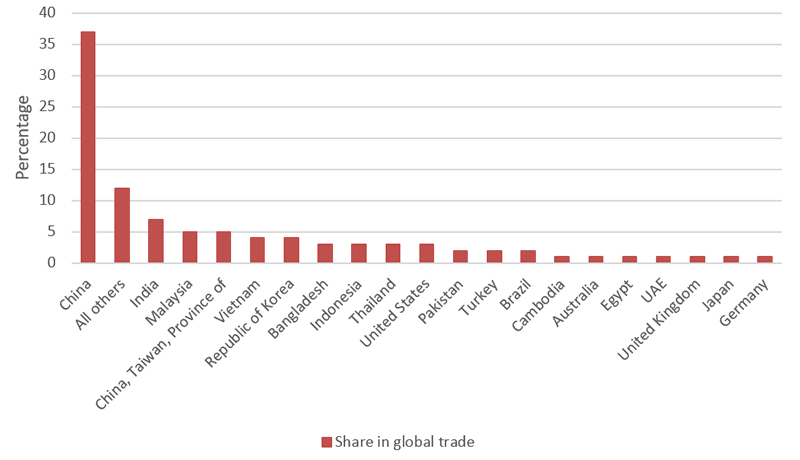
Credit: unctad.org
Cultural Differences In Bangladesh-japan Garment Business
Culture plays a big role in business relationships between Bangladesh and Japan. Understanding these differences can help exporters avoid mistakes and build lasting partnerships.
Communication Style
Japanese business culture values indirect communication and politeness. Criticism is often given softly, and “yes” does not always mean agreement. Bangladeshi exporters who are used to direct talk may miss important signals.
For example, a Japanese buyer might say “this is a little difficult” instead of directly saying “no. ” If the Bangladeshi team does not understand, they may continue with a plan that the buyer actually does not want.
To bridge this gap, some factories teach their staff about Japanese communication styles and how to read between the lines. They also use regular video calls to clarify any unclear points.
Building Trust
In Japan, building trust takes time. Buyers prefer to work with suppliers who are reliable and discreet. Sharing problems openly and fixing them quickly is more important than blaming others.
For instance, if a shipment is delayed, Japanese buyers appreciate an honest explanation and a plan for improvement, rather than excuses. Factories that try to hide problems usually lose trust.
Some Bangladeshi exporters now keep a “problem log” that they share with buyers, showing how each issue was solved. This transparency helps build long-term relationships.
Attention To Detail
Japanese partners notice small details—both in garments and in business behavior. A clean, organized office, neat sample presentation, and punctuality all matter.
For example, presenting samples on clean hangers, using branded polybags, and ensuring every document is correctly formatted makes a good impression.
Some factories have a special “Japan room” for meetings and sample presentations, decorated according to Japanese taste.
Decision Making
Japanese companies often make decisions by group consensus, which can take longer. Bangladeshi exporters sometimes get frustrated by slow feedback or changing requirements.
For example, a sample may be approved by one person, but later changed after a team meeting. Understanding this process and being patient can prevent misunderstandings.
Experienced exporters now ask for clear confirmation from all decision makers before starting production.
Gift And Respect Traditions
Exchanging small gifts is common in Japanese business. Showing respect through polite greetings, formal emails, and attention to hierarchy is important.
For instance, sending a New Year’s card or a small souvenir after a successful order can strengthen relationships.
Some Bangladeshi factories keep a stock of Japanese snacks or souvenirs to give visiting buyers.
Compliance And Quality Issues In Garment Export To Japan
Compliance is a key concern for Japanese buyers. They want to be sure that garments are safe, made ethically, and meet all regulations. Failure in any of these areas can result in order loss or even legal trouble.
Chemical Safety And Testing
Japan has strict laws on chemicals in clothing, especially for children. Common tests include:
- Formaldehyde content (must be very low)
- Heavy metal presence in dyes and prints
- Use of azo dyes (banned in Japan)
Factories must often show test certificates from recognized labs. Testing is expensive and time-consuming, and any failure means rework or lost orders.
For example, a shipment of baby rompers was recently rejected because the formaldehyde level was 0. 02% above Japan’s legal limit. The entire order had to be rewashed and retested.
Some buyers require “batch testing,” where a sample from every production batch is sent for testing. This adds cost and time, but is necessary for compliance.
Factory Compliance Audits
Japanese brands may send auditors to check:
- Fire safety and emergency exits
- Worker wage records and overtime limits
- Use of child labor (strictly forbidden)
- Environmental management (water treatment, waste disposal)
Passing these audits is tough, especially for older or smaller factories.
For example, if an auditor finds a blocked fire exit or missing wage slips, the factory may be suspended from the buyer’s approved list.
To prepare, factories often hire consultants to conduct “mock audits” and fix any problems before the real inspection.
Social Responsibility
Japanese consumers care about worker welfare. News of worker abuse or unsafe conditions can damage a brand’s reputation. Factories must have proper records, good working conditions, and regular training.
For example, some Japanese brands require annual reports on worker health, safety drills, and evidence of fair wages. Factories that cannot provide this information risk losing business.
Some exporters now publish “CSR reports” (Corporate Social Responsibility) on their websites to show buyers their commitment.
Environmental Regulations
Japan is sensitive about eco-friendly production. Buyers may require certifications like OEKO-TEX, GOTS, or ISO 14001. Getting and maintaining these certificates is costly for Bangladeshi factories.
For instance, a buyer may ask for a “chain of custody” certificate proving that all cotton is organic. Factories must keep detailed records from yarn purchase to finished garment.
Leading factories now have dedicated compliance managers who keep track of all certifications and renew them on time.
Product Recall Risks
If a shipment is found to have safety issues, the buyer may recall the product from stores. This can mean huge losses and damage to the supplier’s reputation.
For example, a shipment of children’s pajamas was recalled because the buttons contained banned chemicals. The factory had to pay compensation and lost future orders.
Some factories now buy “product liability insurance” to protect themselves from such risks.

Credit: www.newagebd.net
Supply Chain Challenges In Bangladesh Garment Industry For Japan
The supply chain for garments is complex. Supplying Japan adds extra steps and risks.
Sourcing Specialized Materials
Many Japanese orders require unique fabrics, trims, or accessories. Local suppliers may not have these, forcing factories to import. Importing adds cost, customs delays, and sometimes quality risks.
For example, a Japanese buyer may require a specific “ultra-light” polyester mesh that is not produced in Bangladesh. Importing from China takes extra time and may face port congestion.
To solve this, some factories form partnerships with overseas suppliers or keep a small stock of popular Japanese materials.
Logistics And Shipping
Japan expects timely delivery, but Bangladesh faces:
- Port congestion in Chittagong
- Unpredictable customs checks
- Limited direct shipping routes to Japan
Delays can break the buyer’s trust, especially for seasonal fashion items.
Some exporters are now using air freight for urgent shipments, even though it is more expensive. Others send goods to Singapore or Hong Kong first, then ship to Japan, which adds cost but reduces risk.
Inventory And Lead Time Management
Japanese buyers often want quick replenishment or “just in time” delivery. Bangladeshi factories must carefully manage raw material stock and production schedules. Poor planning leads to missed deadlines.
For example, if a factory waits for a confirmed order before buying fabric, they may run out of time. Leading exporters now keep “buffer stock” of key materials for Japanese clients.
Handling Small, Frequent Shipments
Japan’s market often asks for many small shipments instead of one big one. This means more paperwork, higher shipping costs, and more chances for mistakes.
For example, a buyer may request weekly shipments of 500 pieces each, instead of one monthly shipment of 2,000 pieces. Factories must plan logistics carefully and check every shipment for compliance.
Some exporters now use “third-party logistics” (3PL) providers who specialize in Japanese shipments.
Weak Local Supply Chain
Bangladesh’s garment supply chain is not as developed as China’s. Delays in getting quality zippers, buttons, or packaging materials can affect the entire order.
Some factories now work with Japanese trading companies in Dhaka to source materials directly, improving quality and reducing lead time.
How To Meet Japanese Buyer Expectations In Bangladesh Factories
Winning and keeping Japanese clients requires more than low prices. Factories must adapt to Japanese standards and business culture.
Invest In Quality Management
- Appoint a dedicated quality control team for Japanese orders.
- Use checklists based on Japanese buyer requirements.
- Conduct extra inspections, especially before packing.
- Implement “root cause analysis” for every defect found, and share the results with buyers.
Some factories invite Japanese quality experts to audit their processes and provide training for staff.
Improve Communication Skills
- Hire or train staff who can speak some Japanese, or use professional translators.
- Reply to emails within 24 hours, even if just to confirm receipt.
- Use simple, clear English and include photos or diagrams to avoid confusion.
- Hold regular video calls to review progress and solve problems quickly.
Some factories use “communication logs” to track all conversations with buyers, reducing the risk of misunderstandings.
Upgrade Technology And Processes
- Invest in better sewing machines, cutting equipment, and quality testing tools.
- Introduce barcoding, RFID, or other traceability systems to track each garment.
- Use digital production tracking boards to show buyers real-time status.
Leading factories also use “lean manufacturing” methods to reduce waste and improve efficiency.
Focus On Compliance And Certification
- Get certified for OEKO-TEX, GOTS, or ISO standards if possible.
- Work with third-party inspection agencies trusted by Japanese buyers.
- Keep all compliance documents up to date and ready for audit.
Some exporters create a “compliance wall” in their office, displaying all certificates for visitors to see.
Build Strong Relationships
- Visit Japan if possible, or invite buyers to visit your factory.
- Share production updates and solve problems quickly.
- Offer small gifts or thank you notes after successful deliveries.
- Celebrate Japanese holidays and send greetings to buyers.
These small gestures help create a long-term partnership.
Adapt To Small Orders
- Set up a special line for small, high-detail Japanese orders.
- Train workers to switch styles quickly and maintain quality in small batches.
- Use modular production lines that can handle frequent changes.
Some factories offer “fast track” services for urgent or small Japanese orders.
Learn From Mistakes
- Keep records of past issues and solutions.
- Hold regular meetings to discuss feedback from Japanese clients.
- Use “lessons learned” logs to prevent repeating mistakes.
Factories that learn and improve are more likely to keep Japanese clients.
Garment Production Efficiency Challenges In Bangladesh For Japan Orders
Efficiency is about producing more, faster, and with fewer errors. Japanese orders put extra pressure on efficiency because of their complexity and small size.
Shorter Lead Times
Japanese buyers often want delivery in 45-60 days, compared to 90 days for other markets. Factories must speed up every stage—sampling, sourcing, production, and shipping.
For example, if a sample takes 10 days instead of 3, the factory may miss the buyer’s deadline and lose the order.
Some exporters now keep “express” teams for Japanese buyers, who can move faster than regular production.
High Variety, Small Quantity
Making many styles in small quantities reduces efficiency. Workers spend more time changing machines, setting up new lines, and checking details.
Some factories now use “single-piece flow” methods, where one worker makes a whole garment, reducing setup time.
Frequent Design Changes
Japanese fashion trends change quickly. Buyers may ask for design changes even after production has started. Factories need flexible systems to handle these changes without losing time.
For example, a buyer may change the color or print after production has started. Leading factories keep extra fabric and trims ready for such changes.
Worker Training
Skilled workers are needed for complex Japanese garments. High staff turnover or lack of training slows production and increases mistakes.
Some factories offer incentives for workers who stay longer and learn new skills.
Machine Downtime
Old or poorly maintained machines cause delays. Investing in preventive maintenance and modern equipment improves efficiency.
Some factories now have a dedicated maintenance team just for Japanese orders.
Quality-focused Production
Extra quality checks for Japan can slow down the line. Factories must balance speed with the need for perfect garments.
Some use “in-line quality control” where inspectors check garments at each stage, reducing problems at the end.
Real Example: Efficiency Comparison
To see how efficiency challenges affect Bangladesh, let’s compare average lead times and order sizes for Japan vs. Europe and the US.
| Market | Average Lead Time (days) | Average Order Size (pieces) | Sample Approval Rounds |
|---|---|---|---|
| Japan | 45-60 | 2,000-5,000 | 2-3 |
| Europe | 75-90 | 10,000-20,000 | 1-2 |
| US | 90-120 | 20,000+ | 1 |
Factories serving Japan must be flexible, fast, and highly detail-focused—skills that are still developing in Bangladesh.
Comparison: Key Buyer Requirements For Japan Vs. Europe/us
Japanese buyers expect more in some areas compared to other markets. Here’s a quick comparison.
| Requirement | Japan | Europe/US |
|---|---|---|
| Measurement Tolerance | ±0.5 cm | ±1.0 cm |
| Label Language | Japanese | English |
| Chemical Testing | Very strict | Strict |
| Order Size | Small | Large |
| Replenishment Speed | High | Medium |
| Sample Approval | Multiple rounds | Fewer rounds |
This table shows why supplying Japan can be more challenging and less profitable, but also more prestigious for Bangladeshi factories.
Non-obvious Insights For Success In Bangladesh-japan Garment Trade
Most exporters focus on price and basic quality, but success in the Japan market requires two less obvious skills:
- Process Documentation: Japanese buyers appreciate suppliers who keep detailed records—of every sample change, quality check, and shipment. This builds trust and makes communication easier. For example, a factory that can quickly show why a label was changed or how a defect was fixed will earn more respect from buyers.
- Kaizen Approach: Continuous small improvements (“Kaizen” in Japanese) are highly respected. Factories that show they are always trying to get better, even in small ways, attract more Japanese business. For instance, keeping a visible “improvement board” in the factory, where workers can suggest ideas, impresses Japanese visitors.
Another insight is the importance of “after-sales service. ” Japanese buyers value factories that check in after delivery, ask for feedback, and help solve any problems—even after shipment. This kind of attention is rare but helps build long-term loyalty.
Case Study: A Bangladeshi Factory’s Journey Into The Japan Market
Let’s look at a real example of a Bangladeshi garment factory entering the Japanese market.
ABC Fashions, a medium-sized factory in Gazipur, started with small test orders for a Japanese casualwear brand. Their first shipment had issues—several garments failed the needle detection test, and some labels were not in Japanese. The buyer rejected part of the shipment and demanded improvements.
ABC Fashions responded by:
- Hiring a Japanese-speaking merchandiser
- Training workers on Japanese quality standards
- Investing in better needle detection machines
- Building a sample room for faster development
Within a year, their rejection rate dropped from 8% to 2%. The Japanese client increased order size, and ABC Fashions gained new buyers through positive referrals.
Over time, ABC Fashions introduced a “Kaizen” suggestion box for workers. Small improvements, like changing the order of sewing operations or using better lighting for inspections, made a big difference. The factory also started sending regular production updates to the buyer, including photos and videos from the production floor.
ABC Fashions also set up a “Japan desk” to handle all communication and compliance for Japanese orders. This team learned Japanese business customs, how to write formal emails, and even basic Japanese greetings. Buyers noticed the improvement and started visiting the factory more often.
This shows that investing in people, technology, and understanding Japanese needs can pay off—even for smaller factories.
Future Trends: What’s Next For Bangladesh-japan Garment Trade?
The Bangladesh-Japan garment partnership is expected to grow, but new trends are emerging:
- Digitalization: Japanese buyers want digital order tracking, virtual sample approval, and real-time updates. Factories must invest in IT. For example, some buyers now use 3D design software and expect suppliers to review and approve samples online.
- Sustainability: Organic cotton, recycled materials, and zero-waste production will become more important. Factories that can show “green” credentials will have an advantage.
- Automation: More automation in sewing and packing will be needed to meet efficiency and quality targets. For example, automatic folding and packing machines can save time and reduce errors.
- Long-term Partnerships: Japanese buyers prefer long relationships over one-time deals. Factories that build trust will receive steady orders.
- Increased Compliance Demands: New laws in Japan on traceability and carbon footprint may require even more documentation and audits.
- Product Customization: Japanese consumers like unique products. Factories that can handle “mass customization”—making many small, different batches—will be more competitive.
To stay competitive, Bangladeshi exporters must keep learning and adapting to these trends. Attending trade fairs, joining industry groups, and building networks in Japan will help factories stay ahead.
Frequently Asked Questions
Why Do Japanese Buyers Prefer Bangladeshi Garments?
Japanese buyers are attracted by competitive prices, improving quality, and Bangladesh’s growing reputation for ethical production. However, they stay only if factories can meet Japan’s high standards for detail, safety, and delivery.
Another reason is Bangladesh’s experience with complex, fashion-forward garments, which matches Japanese market needs. Some Japanese buyers also want to diversify away from China and see Bangladesh as a reliable alternative.
What Is The Biggest Challenge In Exporting Garments To Japan From Bangladesh?
The main challenge is maintaining consistent quality for small, complex orders while meeting strict delivery deadlines and compliance requirements. Language and cultural barriers also make communication difficult.
A hidden challenge is the cost of compliance and certification, which can be high for smaller factories. Balancing cost, speed, and quality is not easy.
How Can Bangladeshi Factories Improve Their Success With Japanese Clients?
Factories should invest in worker training, upgrade equipment, hire staff with Japanese language skills, and focus on detailed process documentation. Building trust through transparency and quick problem-solving is also important.
They should also learn about Japanese business culture, use digital communication tools, and always follow up after each shipment.
What Certifications Are Needed To Export Garments To Japan?
Common certifications include OEKO-TEX for chemical safety, GOTS for organic textiles, and ISO 14001 for environmental management. Buyers may also ask for social compliance certificates.
For children’s clothing, “SG Mark” or other safety labels may be needed. Each buyer may have their own list of required certificates.
Where Can I Learn More About Japan’s Garment Import Standards?
You can find up-to-date information on Japanese garment standards and regulations from the Japan External Trade Organization (JETRO).
Bangladesh’s garment industry has the potential to thrive in the Japanese market, but only if it continues to adapt and meet these high expectations. With the right investment in people, technology, and understanding, Bangladeshi exporters can build strong, long-term relationships with Japanese buyers and secure a place in this demanding but rewarding market.

Credit: www.ebay.com