
Fabric defects are a common challenge in garment production, affecting not only appearance but also quality, value, and customer satisfaction. Whether you are a factory manager, quality inspector, or a student learning about textiles, understanding fabric defects is essential. Many defects are hard to spot, especially for beginners, but missing them can lead to costly mistakes and rejected products.
This article explains the main types of fabric defects, how to identify them, and why it matters to catch them early. You’ll learn practical tips, see real-world examples, and discover how professionals ensure high standards in the clothing industry. Let’s dive deep and learn how to spot and handle fabric defects confidently.
What Are Fabric Defects?
A fabric defect is any irregularity or flaw in the material that makes it look or perform worse than expected. These defects can come from the manufacturing process, storage, handling, or even from the raw materials used. Some defects are easy to see, like holes or stains, while others are hidden and only show up after washing or wearing the garment.
Fabric defects can lower the garment’s value, cause customer complaints, and even lead to waste. In large factories, catching defects quickly is important to avoid shipping faulty products. Even small defects, like a tiny spot, can ruin the look of a dress or shirt.
The most common defects include:
- Holes
- Stains
- Uneven dye
- Snags
- Misweave
- Pilling
- Creases
- Loose threads
- Skipped stitches
Each defect has its own causes and ways to identify it. Some can be fixed, but many require careful inspection before the garment leaves the factory.
Types Of Fabric Defects In Garment Production
Fabric defects can be grouped based on their origin and appearance. Understanding these groups helps you know where to look and what to expect during inspections.
1. Weaving Defects
Weaving is a process where yarns are interlaced to make fabric. Mistakes in weaving often cause:
- Misweave: Wrong pattern or missing threads.
- Broken ends: Yarn breaks during weaving, causing gaps.
- Float: Yarn floats over more threads than intended, making uneven surfaces.
2. Knitting Defects
Knitted fabrics, like t-shirts and sweaters, have their own problems:
- Dropped stitch: A loop missed during knitting, making a hole.
- Snags: A yarn pulled out, often from rough handling.
- Uneven loop size: Some loops are bigger or smaller, causing waves or holes.
3. Dyeing And Printing Defects
Coloring fabric can introduce new issues:
- Uneven dyeing: Color is not uniform, giving a patchy look.
- Color spots: Small areas with extra dye.
- Printing misalignment: Printed patterns are not in the right place.
4. Finishing Defects
After weaving or knitting, fabrics are finished (washed, treated, pressed):
- Creases: Permanent lines from folding.
- Stains: Oil, dirt, or chemicals leave marks.
- Pilling: Small balls form on the surface after rubbing.
5. Physical Defects
Some defects are caused by handling or storage:
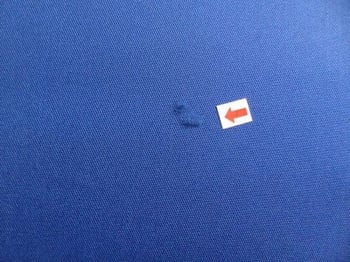
- Holes: Tears, cuts, or missing fibers.
- Loose threads: Threads sticking out from seams.
- Skipped stitches: Sewing machine misses stitches, creating gaps.
These groups cover most defects found in garment production, but each has its own signs and risks.
Credit: www.intouch-quality.com
Most Common Fabric Defects Explained
Let’s look closely at the main defects you will see in garment factories, their causes, and their impact.
Holes
Holes can appear from broken yarns, machinery accidents, or sharp objects. They are usually easy to see but sometimes hidden in folds. Holes weaken the garment and make it unusable.
Stains
Stains come from oil, ink, water, or dirt during fabric making or handling. Some stains are small, but others cover large areas. Stains are hard to remove and ruin the fabric’s look.
Uneven Dye
When dye is not applied evenly, parts of the fabric look lighter or darker. Uneven dye can result from poor mixing, wrong temperature, or bad water quality. It is often visible in daylight but can be missed under factory lights.
Snags
Snags are caused when a yarn is pulled out by rough surfaces or machinery. They leave loops or bumps and are common in knitted fabrics. Snags make the surface look messy.
Misweave
A misweave is a mistake in the weaving pattern, like missing a thread or crossing yarns incorrectly. This can cause stripes, waves, or holes and is sometimes hard to spot unless you look closely.
Pilling
Pilling happens when fibers rub together and form small balls on the surface. It appears after washing or wearing and makes the fabric look old.
Creases
Creases are permanent lines caused by folding or pressure during storage. They can be removed with ironing, but deep creases sometimes stay.
Loose Threads
Loose threads stick out from seams or the fabric surface. They can be cut, but if not noticed, they cause the seam to unravel.
Skipped Stitches
When a sewing machine skips stitches, it leaves gaps in the seam. Skipped stitches weaken the garment and are hard to fix after production.
How Fabric Defects Affect Garment Quality
Fabric defects can have serious effects on garment quality:
- Reduced strength: Holes, skipped stitches, or broken yarns make the garment weak.
- Bad appearance: Stains, uneven dye, and creases ruin the look.
- Lower value: Customers will pay less for defective garments.
- Returns and complaints: Defects cause customers to return products.
- Production delays: Fixing defects slows down manufacturing.
In some cases, defects can be repaired, but often the garment must be thrown away. Factories aim to catch defects early to save money and protect their reputation.

Credit: www.researchgate.net
How To Identify Fabric Defects
Spotting fabric defects is a skill that takes practice. Here are methods used in factories and by quality inspectors.
Visual Inspection
Most defects are caught by visual inspection. Inspectors look at the fabric under good lighting and check for holes, stains, uneven dye, and other visible flaws.
Tips for visual inspection:
- Use bright, white light.
- Spread the fabric flat and look at both sides.
- Check seams, folds, and hidden areas.
- Move the fabric to catch defects that only appear at certain angles.
Touch And Feel
Some defects, like pilling or snags, are easier to feel than see. Running your hand across the fabric can help find bumps, loose threads, or rough spots.
Mechanical Testing
For defects like skipped stitches or broken yarns, machines can test fabric strength. Pulling the fabric or stretching it reveals weak points.
Washing And Wear Tests
Some defects only appear after washing or wearing, like pilling or dye fading. Factories sometimes wash test samples to see how they hold up.
Automated Inspection Systems
Large factories use machines with cameras to scan fabric rolls. These systems catch defects like holes, stains, or misweave patterns automatically.
Comparing Against Standards
Factories use fabric quality standards to decide what defects are allowed. For example, a small stain may be okay, but a hole is always rejected. Standards help inspectors make fair decisions.
Here is a comparison of manual vs. automated inspection methods:
| Method | Accuracy | Speed | Cost |
|---|---|---|---|
| Manual Inspection | High for large defects | Slow | Low |
| Automated Inspection | Very high | Fast | High |
Practical Tips For Identifying Fabric Defects
- Check fabric before cutting: Most defects are easier to spot on large rolls.
- Inspect under natural light: Some defects only appear in sunlight.
- Use magnifying glass for fine defects: Helps spot misweave or small holes.
- Check random samples: Don’t inspect only one area. Defects can be anywhere.
- Touch and stretch fabric: Reveals weak points or hidden defects.
- Ask for fabric quality certificates: Suppliers often provide reports showing defect levels.
One insight many beginners miss: defects can hide in seams, folds, or printed areas. Always open the fabric fully and check the entire surface.
Causes Of Fabric Defects
Understanding why defects happen helps prevent them in future production.
Raw Material Issues
Poor quality yarn or fibers often cause misweave, holes, or uneven dye. Always check supplier quality before production.
Machine Problems
Faulty weaving or knitting machines can break yarns, skip stitches, or cause misalignment. Regular maintenance is key.
Human Error
Workers can make mistakes during weaving, knitting, dyeing, or finishing. Training and supervision reduce this risk.
Storage And Handling
Fabric can be damaged during storage or transport. Moisture, dirt, and sharp objects are common causes.
Environmental Factors
Temperature, humidity, and water quality affect dyeing and finishing. Factories must control their environment carefully.
Here is a table showing the main causes and their related defects:
| Cause | Common Defects |
|---|---|
| Raw Materials | Misweave, holes, uneven dye |
| Machine Faults | Skipped stitches, broken yarns |
| Human Error | Stains, incorrect patterns |
| Storage | Creases, stains, holes |
| Environment | Uneven dye, pilling |
Preventing Fabric Defects In Garment Production
Prevention is better than cure. Factories invest in systems to stop defects before they happen.
Quality Control At Each Step
Factories set up quality checks at every stage:
- Raw material inspection
- Machine calibration
- Dye and finishing checks
- Final garment inspection
Staff Training
Workers learn how to spot defects and handle fabric carefully. Regular training helps reduce mistakes.
Machine Maintenance
Keeping machines clean and well-maintained stops many defects. Broken parts are replaced quickly.
Proper Storage
Fabric should be stored in dry, clean places away from sharp objects. Good storage prevents stains, holes, and creases.
Using High-quality Materials
Higher quality yarns and dyes reduce defects. While more expensive, they save money in the long run.
Factories compare defect rates to industry averages to see if they are doing well. Here’s a comparison of defect rates in well-managed vs. poorly managed factories:
| Factory Type | Average Defect Rate |
|---|---|
| Well-Managed | 2-5% |
| Poorly Managed | 10-20% |
Repairing And Handling Defective Fabrics
Not all defects mean the fabric must be thrown away. Some can be fixed or used differently.
Spot Cleaning
Small stains can be removed with cleaning solutions. Always test on a hidden area first.
Cutting Around Defects
If a hole or stain is small, the fabric can be cut to avoid the defect. This reduces waste.
Re-dyeing
Uneven dye can sometimes be fixed by re-dyeing the fabric, but this is expensive and not always successful.
Using For Lower Quality Products
Defective fabric can be used for items where appearance is less important, like cleaning cloths or inner layers.
Recycling
Badly damaged fabric can be recycled into new yarns or materials.
Factories must decide if repair is possible or if the fabric should be rejected. This decision depends on quality standards and customer requirements.
Real-world Examples Of Fabric Defects
Understanding fabric defects is easier with real examples:
- In a large shirt factory, a batch of fabric arrived with uneven dye. Under factory lights it looked fine, but in sunlight, the color was patchy. The factory had to re-dye the fabric, causing delays and extra costs.
- A sportswear brand found pilling after washing sample garments. The fabric supplier had used low-quality yarn. The brand switched suppliers to avoid future problems.
- During inspection, a worker found snags in knitted t-shirts. These were caused by rough machine parts. The factory replaced the parts and trained workers to handle fabric gently.
These examples show how defects can affect production and why inspection is so important.
Why Early Identification Matters
Catching defects early saves money, time, and reputation. If defects are found after garments are shipped, it leads to returns and lost sales. Early identification lets factories fix problems or stop production before too much is wasted.
One insight beginners often miss: defects can be hidden in the middle of rolls or under printed designs. Always check the whole fabric, not just the edges.
Industry Standards For Fabric Inspection
The garment industry uses standards to decide what defects are allowed. The most common is the 4-Point System:
- Each defect is rated from 1 to 4 points based on size and severity.
- Fabric is rejected if it has more than a set number of points per area.
Other standards include the 10-Point System and AQL (Acceptable Quality Level). These help factories decide quickly if fabric is good enough.
For more detail about industry standards, visit Wikipedia.
Advanced Technology In Fabric Defect Detection
Modern factories use advanced tools to catch defects faster and more accurately.
Automated Scanning Machines
These machines use cameras and software to check every inch of fabric. They spot defects like holes, stains, and misweaves that humans might miss.
Artificial Intelligence
AI systems learn from past defects and become better at spotting new ones. They can find hidden flaws and help factories improve over time.
Data Analytics
Factories use data to track defect rates and find patterns. For example, if pilling always happens with one supplier, factories can change suppliers.
These technologies are expensive but save money by reducing waste and improving quality.
Frequently Asked Questions
What Are The Most Common Fabric Defects In Garment Production?
The most common defects include holes, stains, uneven dye, snags, misweave, pilling, creases, loose threads, and skipped stitches. Each affects the garment’s quality and appearance in a different way.
How Can I Quickly Identify Fabric Defects?
Use visual inspection under bright, natural light, and run your hand across the fabric to feel for rough spots or bumps. Check seams, folds, and random samples for hidden defects. Automated machines can also help in large factories.
Can Fabric Defects Be Repaired?
Some defects, like small stains or loose threads, can be fixed. Others, like large holes or misweave, often mean the fabric must be cut or rejected. Factories decide based on standards and customer requirements.
Why Is Early Defect Detection Important?
Early detection saves money and prevents production delays. If defects are found late, garments may be returned by customers, causing losses and damage to reputation. Early checks help factories fix problems quickly.
What Standards Are Used For Fabric Inspection?
Common standards include the 4-Point System, 10-Point System, and AQL. These set limits for acceptable defects and help inspectors make fair decisions. Factories follow these standards to ensure consistent quality.
Spotting and handling fabric defects is a critical skill in garment production. By understanding types, causes, and identification methods, you can protect quality, save money, and keep customers happy. With practice and the right tools, even beginners can become confident inspectors and contribute to a successful garment factory.

Credit: www.intouch-quality.com