
Every garment exporter wants to win the trust of Japanese buyers. Japan is famous for its strong focus on quality, precision, and detail. If your garments do not meet their strict standards, you risk losing business—even if your price is low.
Meeting Japanese buyer expectations is not just about good stitching or nice fabrics; it is about a total approach to quality, consistency, and reliability. This article gives you a practical, in-depth checklist for garment quality that matches what Japanese buyers expect.
You will learn what to check, how to check it, and the small details that often make or break a deal. Whether you are new to the Japanese market or want to improve your current process, this guide will help you avoid common mistakes and stand out as a reliable supplier.
Understanding Japanese Buyer Expectations
Japanese buyers are known for being polite but very demanding when it comes to quality standards. They do not compromise on details that other markets might overlook. They see a garment as a total package: fabric, stitching, finishing, safety, packaging, and even how the carton is taped. If one thing fails, they may reject the entire shipment.
Japanese buyers use a holistic approach when evaluating a supplier. For them, the process starts even before production, with careful review of samples, test results, and factory environment. They expect suppliers to have a mindset of “zero defect. ” This means every team member, from the fabric store to finishing, should understand their responsibility.
Japanese buyers may quietly observe your processes during factory visits, noting things like cleanliness, order, and worker training. They value factories with clear systems, visual management, and a culture of continuous improvement.
Why Are Japanese Quality Standards Unique?
Japan’s history and culture value cleanliness, order, and perfection. In fashion, these values appear as expectations for:
- Consistency in every piece
- Cleanliness with no loose threads or stains
- Precision in measurement and construction
- Safety for both the wearer and the environment
These values come from several cultural concepts. For example, the idea of *kaizen* means “continuous improvement. ” Japanese brands expect suppliers to constantly find and fix weaknesses, even if buyers do not complain. The concept of *mottainai* means “do not waste”—this includes careful use of materials and avoiding rework or scrap.
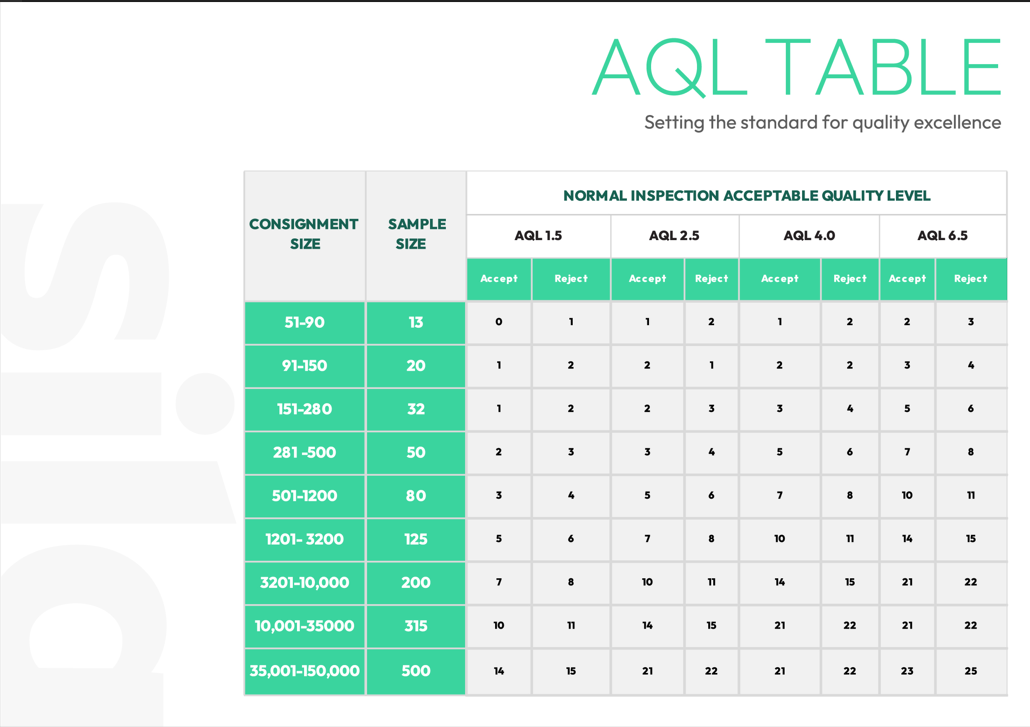
Japanese buyers often use AQL (Acceptable Quality Level) sampling, but they also do full inspections for important shipments. They want proof that you control quality, not just fix mistakes after production.
Another unique aspect is that Japanese brands often have their own in-house quality experts, who create very detailed manuals. These manuals include photos, diagrams, and explanations of what is acceptable. They may specify things like the exact way to attach a button, or how to fold a collar.
It is common for buyers to send their own inspectors to your factory, especially for the first few orders.
Japanese buyers often pay attention to “silent quality”—details that the end customer does not see but will feel, like the comfort of a seam or the smoothness of a zipper. This silent quality is a key reason for their loyalty to good suppliers.
What Happens If You Miss Their Standards?
If a shipment does not meet their standards, you may face:
- Returns (at your cost)
- Loss of trust—they may not order again
- Penalties or delayed payments
- Damage to your reputation in the Japanese market
Japanese buyers share information within their network, so a failure with one buyer can affect your reputation with others. Sometimes, Japanese brands will ask for a “corrective action plan” before considering you for future orders. They want to see not only how you fixed the current problem, but also what changes you made to prevent it from happening again.
The good news: If you meet their expectations, Japanese buyers become loyal and long-term partners.
Long-term Japanese clients may help you improve your factory, provide training, or invest in your processes. They prefer stable, reliable suppliers and often give steady business for years. Their loyalty is based on mutual respect and trust, not just price.
The Ultimate Garment Quality Checklist For Japan
This checklist covers everything you need to pass a Japanese buyer’s quality inspection. Each section explains what to check, why it matters, and how to do it right.
1. Fabric Quality And Compliance
Japanese buyers usually approve the fabric before you start production. But you must check every roll and batch for:
- Color consistency: No shade variation between rolls or within panels
- Physical defects: No holes, slubs, knots, or weaving issues
- Hand feel: Consistent softness, thickness, and texture
- Shrinking and twisting: Must be within the allowed tolerance (often less than 3%)
- Color fastness: Must pass rub, wash, and light tests (Japanese buyers often require Level 4-5 on the JIS standard)
- Chemical compliance: No restricted substances (azo dyes, formaldehyde, etc. ), and must meet Japan’s laws on chemical safety
Why is this important? Japanese consumers expect garments to look and feel the same every time they buy, even after multiple washes. If a t-shirt shrinks unevenly or the color fades quickly, they will return it. Japanese retailers may run “wear tests” by giving samples to staff or loyal customers before approving bulk production.
How to check: Use a fabric inspection machine with proper lighting. Check at least 10% of each batch, using the buyer’s fabric standards. For color, cut swatches from each roll and compare under daylight and factory light.
Common mistakes:
- Skipping pre-production lab tests
- Not checking every dye lot
- Using substandard fabric for hidden parts (pockets, linings)
Tip: Always get a written approval for lab dips and submit fabric test reports with your shipment.
Extra insight: Japanese buyers often ask for “traceability” of fabric—proof of where and when each roll was made. Keep records of mill certificates and batch numbers. Some buyers even visit the mill to check quality systems.
2. Measurement Accuracy
Japanese customers expect a perfect fit. Even 0.5 cm off can be a reason for rejection. You must:
- Use the buyer’s measurement chart and tolerance (usually ±1 cm for main points)
- Check all sizes and all points (chest, length, sleeve, waist, etc.)
- Mark samples that pass and those that fail
Japanese buyers often have their own fit models, which can be different from global sizes. For example, a Japanese “Medium” may be smaller and narrower than a European or American “Medium. ” This is important for women’s and children’s wear.
Non-obvious insight: Japanese fit models are often smaller and slimmer than Western ones. Using the wrong fit standard leads to poor fit and high returns.
How to check:
- Measure at least 10% of finished garments per size
- Use calibrated measurement tools
- Record all results for traceability
Practical example: Suppose the chest measurement for size M is 100 cm, with a tolerance of ±1 cm. If you find garments at 101.2 cm, they can be rejected. Japanese buyers may ask for “double measurement”—two staff measure the same point to confirm.
Extra tip: Japanese buyers often prefer to see the measurement record attached with the shipment, signed and dated by the QC manager. This builds confidence in your system.
Common mistakes: Not updating patterns after sample feedback, or using old measurement charts from previous seasons. Always confirm the latest measurement sheet with the buyer before bulk cutting.
3. Stitching Quality
Stitching must be neat, strong, and consistent. Japanese buyers check:
- SPI (stitches per inch): Must match the spec (usually 10-12 for shirts, 8-10 for denim)
- No skipped stitches or broken threads
- Even seam width and alignment
- No puckering or roping
Why is this important? Uneven or weak stitching can cause garments to fall apart after a few washes. Japanese buyers pay attention to inside seams, not just the outside appearance.
Common mistakes:
- Using different thread dye lots (shade variation)
- Missing backtacking at stress points
How to check:
- Inspect inside and outside
- Pull seams to check for weak points
Extra insight: Japanese buyers may run “seam strength tests” by pulling the seam with a force meter. They also check for “seam allowance” (distance from edge to stitch) and may reject if it is less than specified, as it weakens the garment.
Practical tip: Always keep a “golden sample” with approved stitching for your QC team to compare during bulk checks.
Example: If a shirt’s side seam is specified at 1 cm width, and your bulk has some at 0.7 cm, the buyer may consider this a critical defect.
4. Trims And Accessories
Every button, zipper, label, and tag must meet the buyer’s approved sample. Look for:
- Color match
- Brand logo accuracy
- Positioning and alignment
- Functionality (zipper works smoothly, buttons are secure)
- No sharp edges or burrs
Why is this important? Japanese buyers know that even a small defect in a button or zipper can ruin the garment experience for the end user. For children’s garments, safety is the top priority.
Non-obvious insight: Japan often requires children’s garments to pass sharp-point and choking hazard tests, even if the item is for older kids.
How to check:
- Use a pull test for buttons (usually 90N for 10 seconds)
- Check every trim against the approved list
Extra insight: Japanese buyers may check for “nickel-free” or “lead-free” trims, especially for children’s and baby garments. Some trims must be certified by a third-party lab.
Practical tip: Always keep a “trim card” showing all approved trims, with codes and supplier details, for reference during QC.
Common mistakes: Using leftover trims from other orders, or mixing up trims for similar styles. This can result in rework or shipment rejection.
5. Printing, Embroidery, And Decoration
If your garment has print or embroidery, check:
- Color sharpness and alignment
- No bleeding or misprints
- No off-center placement
- No loose threads or skipped areas
Why is this important? Japanese buyers look for accuracy in decoration. They may compare the actual garment with the approved artwork down to the millimeter.
How to check:
- Compare with the approved artwork
- Inspect under natural and artificial light
Extra tip: Japanese buyers may do a “wet rub test” on prints to see if color comes off. For embroidery, they check for “backing paper” and may reject if any remains. Also, for metallic prints or foiling, buyers often require a washing test to see if the effect lasts.
Example: If the print should be 5 cm below the neckline, and some garments are at 6 cm, the buyer may reject those pieces as “out of tolerance.”
Common mistakes: Not updating print screens or embroidery programs after sample feedback, or using old screens for new orders.
6. Finishing And Presentation
Japanese buyers look for spotless finishing. They often inspect every piece, not just samples.
- No loose threads anywhere
- No stains, oil marks, or chalk
- No strong odors (chemical or moldy smell is a big problem)
- Correct pressing—no shine marks or creases in the wrong place
Why is this important? Japanese consumers expect a “ready to wear” look. If a garment has pressing marks or an unpleasant smell, it will not sell.
Common mistakes:
- Packing before the garments are cool after pressing (causes mildew)
- Using dirty hands or surfaces during finishing
How to check: Use lint rollers, black light (to see oil marks), and check under both natural and fluorescent light. Japanese buyers may also check the “feel” of the garment for smoothness and evenness.
Extra insight: Some buyers do a “sniff test”—if the garment smells of chemicals or plastic, they may reject it. Always air out garments before packing, especially after finishing.
Practical tip: Set up a “finishing QC station” near the packing area, with good light, lint rollers, and sample photos of approved finishing.
7. Labeling And Tagging
Japan has strict rules for labels and tags.
- Material content (in Japanese)
- Care instructions (symbols approved for Japan)
- Country of origin
- Brand and size
- Legal compliance (e.g., Household Goods Quality Labeling Act)
Why is this important? Incorrect labeling can lead to customs issues, fines, or product recalls in Japan.
Tip: Japanese buyers reject shipments if the label is in the wrong place or uses the wrong symbol.
How to check:
- Cross-check label content against the approved sample
- Attach tags without damaging the garment
Extra insight: Labels must be sewn in the approved position—side seam, neck, or hem—according to the buyer’s manual. Some buyers want a “removable” tag for inner labels, to avoid skin irritation.
Common mistakes: Translating care instructions incorrectly, or using non-approved care symbols. Always use the latest Japanese care symbols, as these are updated regularly.
Practical tip: Ask your buyer for a “labeling manual” and keep a copy at the labeling station for QC checks.
8. Packaging And Presentation
Packaging is not just for protection—it is part of quality. For Japan:
- Polybag size must fit the garment (not too loose or tight)
- No printing errors on bags or cartons
- No strong smell from packaging
- Carton strength must match shipping method
Why is this important? Japanese buyers often display garments in stores without unpacking. Clean, well-fitted packaging is part of the customer’s first impression.
Common mistakes:
- Using recycled cartons with old logos/marks
- Not sealing polybags properly (leads to moisture/mold)
How to check:
- Drop test for cartons
- Carton weight and size within buyer’s limits
Extra insight: Some buyers require “easy open” polybags, or bags with a printed warning for small children. Carton marks must be clear, with correct Japanese characters if required.
Practical tip: Use a “packing checklist” at the packing station, with carton size, weight, and mark samples.
9. Metal Contamination And Needle Detection
Japan is strict about no metal contamination. Most buyers require needle detection for all garments.
- No broken needle pieces or metal parts inside
- All garments must pass through a needle detector (sensitivity usually 1.0 mm Fe ball)
- Keep a record of needle detector checks
Why is this important? Metal in garments can cause injury, especially to children. Japanese law holds suppliers responsible for any harm.
Tip: Keep a log of broken needles and replace them immediately.
How to check: Pass 100% of finished garments through a needle detector. Test the machine at the start and end of each shift with a test piece. Record all results.
Extra insight: Japanese buyers may check your “needle policy”—a written procedure for handling broken needles. They may ask to see your “needle box” (where broken needles are stored) during audits.
Practical tip: Train all sewing operators to stop work and report immediately if a needle breaks. Never restart without finding all pieces.
10. Safety And Restricted Substances
Japanese law bans many chemicals in clothing, especially for children.
- No banned azo dyes
- No formaldehyde above legal limits (often 16 ppm for children)
- No phthalates in PVC prints or trims
- No sharp objects or choking hazards
Why is this important? Non-compliance can lead to fines, recalls, and bans from the Japanese market.
How to check:
- Send samples to a certified lab before shipping
- Ask your supplier for chemical compliance certificates
Extra insight: Japanese buyers often require “OEKO-TEX” or similar certificates for all materials, not just the main fabric. For baby wear, the limits are even stricter.
Practical tip: Keep a folder with all chemical test reports, fabric and trim certificates, and update it every season.
11. Moisture And Mildew Control
Japan’s climate is humid, and mold is a serious issue.
- Silica gel or anti-mold stickers in each polybag
- Dry garments completely before packing
- Store cartons in a dry, ventilated area
Why is this important? Mold spots can appear in just a few days, especially during the rainy season. Japanese customers return moldy garments immediately.
Non-obvious insight: Even a short exposure to rain or high humidity during loading can cause mold spots.
How to check: Use a moisture meter to check garment dryness before packing. Check cartons for signs of moisture or mold before loading into containers.
Practical tip: Use pallets to keep cartons off the floor in storage. Keep a log of humidity and temperature in the storage area.
Extra tip: Always use “container desiccants” when shipping by sea. These absorb moisture during transit.
12. Final Random Inspection (fri)
Japanese buyers may do a 100% inspection. At minimum, they expect an FRI by your team.
- Sample size: Use AQL 2.5 or stricter
- Check all points above, not just appearance
- Keep records of every inspection
Why is this important? Japanese buyers want to see proof that you check the same details they do.
Tip: Japanese buyers often send their own inspectors for key shipments.
How to check: Use a checklist signed by the inspector, with space for comments. Take photos of inspected cartons and garments.
Extra insight: Japanese buyers may ask for a “defect summary”—a list of defects found, with numbers and corrective action.
Practical tip: Invite your buyer’s inspector to watch your FRI, and be ready to explain your process.
13. Documentation And Traceability
Japan values transparency and traceability.
- Production records for each step
- Fabric, trim, and chemical certificates
- Inspection reports with date, inspector name, and signature
Why is this important? Good records help solve problems quickly and build trust with the buyer.
Common mistakes:
- Incomplete documentation
- Mixing up records between orders
How to check: Use a digital system or well-organized files. Keep backup copies of all key documents.
Extra insight: Japanese buyers may do “trace back audits”—picking a random carton and asking for all records, from fabric batch to finishing.
Practical tip: Assign one person to manage documentation and train staff to update records daily.
14. Social And Environmental Compliance
Japanese brands care about worker safety and environmental impact.
- No child labor
- Safe working conditions
- Proper waste disposal
- Energy and water saving where possible
Why is this important? Japanese consumers are becoming more aware of ethical sourcing.
Tip: Many buyers now ask for Sedex or BSCI audit reports.
How to check: Keep audit certificates up-to-date. Display your compliance policy in the factory.
Extra insight: Some buyers want to see your “environmental improvement plan”—for example, steps to reduce water or energy use.
Practical tip: Invite buyers to visit your factory and show real improvements, not just certificates.
15. On-time Delivery And Communication
Quality is not just the product—it’s the whole service.
- Meet the delivery date—delays are seen as a quality failure
- Respond quickly to emails and requests
- Notify immediately if there is a problem
Why is this important? Japanese buyers plan their sales and promotions months in advance. A late shipment can cause big losses.
Non-obvious insight: Japanese buyers appreciate early warnings more than last-minute excuses.
How to check: Use a production calendar with clear deadlines. Assign one person to update the buyer on progress.
Extra tip: Send a “weekly status report” during production. This shows you are in control and builds trust.
Credit: www.onesilq.com
Key Differences: Japanese Vs. Other Markets
To help you understand how Japanese standards compare, see this table:
| Aspect | Japan | USA/EU |
|---|---|---|
| Labeling Language | Japanese, strict format | Local language, less strict |
| Needle Detection | Mandatory for all garments | Often only for kidswear |
| Measurement Tolerance | +/- 1 cm (main points) | +/- 1.5 cm or more |
| Inspection Level | 100% or AQL 2.5 | AQL 4.0 or higher |
| Packaging | Exact, no smell, clean | More flexible |
Extra details: Japanese buyers are less forgiving about “minor” issues. For example, a misaligned label or a small stain may be accepted by some US/EU buyers as a “second grade” product, but for Japanese buyers, the whole shipment can be at risk.
Another example: Japanese buyers often do not accept “repair work” (fixing defects after production). If a mistake is found, they may ask for full replacement.
How To Implement This Checklist In Your Factory
Knowing the checklist is only the first step. To consistently meet Japanese buyer expectations, you need a system.
Set Up Standard Operating Procedures (sops)
Write clear SOPs for each step—fabric inspection, measurement, finishing, packing, needle detection, and documentation. Train your team using real examples and show them rejected samples to explain the cost of mistakes.
Extra tip: Translate key SOPs into local language for workers. Use photos and diagrams to show each step.
Example: For needle detection, your SOP should include: machine calibration steps, frequency of checks, how to handle a failed test, and how to record results.
Empower Your Quality Team
Give your QC team the authority to stop production if they find a problem. Reward them for catching issues early, not just for passing shipments.
Extra insight: Japanese buyers respect factories where QC has real power, not just a “tick the box” role.
Practical example: If QC finds 5% measurement issues in line, stop production, review the pattern, and retrain workers before restarting.
Use Visual Aids
Display photos of good vs. bad quality at each station. Japanese buyers love factories that use visual management.
Extra tip: Set up “defect boards” showing actual rejected pieces and the reason for rejection.
Example: At the finishing table, show a photo of a garment with a loose thread and one with perfect finishing.
Keep Detailed Records
Buyers may ask for old records—even years later. Keep all reports organized by style, date, and buyer.
Practical tip: Use digital folders with clear names (e.g., “BuyerName_Style123_FRI_2024-03-01.pdf”).
Extra insight: Japanese buyers may request “trace back” for a specific order if there is a complaint in the market.
Invest In Equipment
- Needle detectors (calibrated regularly)
- Measurement tools (steel tapes, templates)
- Lighting for inspection
Extra tip: Keep spare parts and service contracts for key equipment.
Example: If your needle detector breaks, have a backup plan to avoid shipment delay.
Continuous Improvement
After every shipment, review what went well and what failed. Fix root causes, not just symptoms.
Practical tip: Hold a “quality review meeting” after every shipment. Involve production, QC, and packing teams.
Extra insight: Japanese buyers appreciate factories that ask for feedback and show real improvements.
Common Mistakes When Supplying Japanese Buyers
Many exporters lose Japanese business due to simple, avoidable errors. Here are the most common:
- Ignoring pre-shipment tests: Skipping chemical or needle tests to save time always backfires.
- Poor documentation: Missing certificates or inspection records cause shipment delays.
- Assuming “good enough” is enough: Japanese buyers want “right first time,” not “fix it later.”
- Late delivery: Even a one-day delay can ruin a relationship.
- Not updating labels and tags: Using last season’s template leads to rework or rejection.
Extra examples:
- Not informing buyers about production delays or material shortages early.
- Mixing up trims or sizes during packing.
- Not training new workers on Japanese standards.
Non-obvious mistake: Failing to keep the factory clean and organized during buyer visits. Japanese buyers see this as a sign of poor quality management.
How Japanese Buyers Inspect A Shipment
Understanding the inspection process helps you prepare better:
- Pre-Production Approval: Sample, fabric, trims, and colors are approved before bulk production.
- Inline Inspection: Buyers (or their agents) may check quality during production.
- Midline Inspection: Key points checked when 50% is done.
- Final Random Inspection (FRI): The buyer checks a sample from finished goods using AQL 2.5 or stricter.
- Packaging and Carton Inspection: They check packaging, carton marks, and carton strength.
- Needle Detection Report Review: They verify records and may check the detector themselves.
- Documentation Check: They compare the shipment documents with the physical goods.
If any part fails, the whole shipment can be rejected or quarantined.
Extra detail: Japanese inspectors often use special tools, like light boxes or force meters, during inspection. They may check labels using a magnifier, or weigh cartons on a digital scale.
Practical tip: Always have your QC team present during buyer inspections to answer questions and fix minor issues on the spot.
Case Study: A Real-world Example
A Bangladesh-based factory shipped 20,000 polo shirts to a top Japanese brand. Their QC team checked the fabric, measurements, and finishing. But after arrival in Japan, the buyer found:
- Care labels were in English, not Japanese
- Polybags had a strong plastic smell
- 1% of buttons failed the pull test
Result: The buyer rejected the shipment and demanded rework at the supplier’s cost. The supplier lost the next order. This shows that even small details can have a big impact.
Analysis: The factory assumed that English care labels were acceptable for all buyers. They used a cheaper polybag supplier for cost savings, not knowing the bags had a strong smell. The button supplier did not provide a pull test certificate.
What could have been done: The factory should have cross-checked label language with the buyer’s manual, tested polybags for odor, and done a pull test for every batch of buttons.
Non-obvious insight: Japanese buyers may visit the factory after a failed shipment to check if the corrective actions were truly implemented. If the same problem happens again, they may stop all business.
Practical Tips For Passing Japanese Quality Inspections
- Double-check labels and tags before packing
- Inspect garments under different lights (sunlight and factory light)
- Keep your factory clean and odor-free
- Train workers on Japanese expectations—use photos and videos, not just words
- Communicate early if there is a quality or delivery issue
Extra tips:
- Run a “mock inspection” before the buyer’s real inspection.
- Use a “quality wall” in the factory to display feedback from Japanese buyers.
- Create a “continuous improvement log” to track actions after every shipment.
Non-obvious advice: Build a good relationship with the buyer’s local agent or inspector. They can give you early warnings and practical tips.

Credit: www.gminsights.com
Sample Garment Quality Control Flow For Japan
Below is a typical workflow for a Japanese order:
| Step | Responsible | Key Checks |
|---|---|---|
| Fabric Inspection | Fabric QC | Shade, defects, lab test |
| Pre-Production Sample | Sample Room | Measurement, trims, labels |
| Inline Inspection | Line QC | Stitching, trims, fit |
| Finishing | Finishing QC | Stains, pressing, tags |
| Needle Detection | QA | All garments |
| Final Random Inspection | QA Manager | Full checklist |
| Packing & Carton Check | Packing QC | Packaging, carton, labeling |
Extra detail: Some factories use digital checklists with photo evidence at each stage. Japanese buyers appreciate this transparency.
Practical tip: Have a “quality champion” in each department who reports to the QA manager.
Japanese Garment Quality Standards: Key Regulations
You must know and follow these main regulations:
- Household Goods Quality Labeling Act: Sets rules for content labels, care instructions, and language.
- Chemical Substance Control Law: Bans harmful chemicals and sets limits for others.
- JIS (Japanese Industrial Standards): Used for color fastness, shrinkage, and more.
- Product Liability Law: Holds suppliers responsible for injuries caused by defects.
For more detail, see the official Japanese government guide.
Extra insight: Some prefectures in Japan have their own local standards, especially for children’s and baby wear. Always confirm with your buyer which standard to follow.
Practical tip: Keep a “regulations file” with the latest versions, and review it with your QC team every season.
The Importance Of Continuous Improvement
Japanese buyers expect you to improve with every order. They may visit your factory and give feedback, sometimes small but important. Treat every comment as a chance to improve your process.
- Hold quality meetings after every shipment
- Analyze complaints and returns
- Invest in staff training and technology
Non-obvious insight: Some Japanese buyers visit factories unannounced. Being “inspection ready” every day is essential.
Extra tip: Use “kaizen” boards in the factory to track small daily improvements.
Practical example: If a buyer notes slow response to emails, improve your communication system and assign a backup person during holidays.
Why this matters: Japanese buyers often visit the same factory for years. They expect to see real improvement in processes, equipment, and staff skills.
How To Build Long-term Trust With Japanese Buyers
Winning the first order is only the beginning. To become a preferred supplier:
- Deliver consistent quality—not just once, but every time
- Be proactive—offer solutions, not excuses
- Show you care about their brand and customers
Tip: Ask your buyer for feedback and use it to improve. Japanese buyers value suppliers who learn and adapt.
Extra advice: Invite buyers to visit your factory, even when there is no problem. Show them new investments, staff training, or process improvements.
Practical example: If a buyer mentions a recurring issue with a trim, suggest alternative suppliers or materials. This shows you are thinking ahead.
Non-obvious insight: Japanese buyers prefer long-term relationships over price wars. Once you prove reliability, they may not switch for a small price difference.

Credit: www.thermapparel.com
Frequently Asked Questions
What Is The Most Common Reason Japanese Buyers Reject Garments?
The most common reason is quality inconsistency—such as measurement errors, poor finishing, or wrong labeling. Even small issues like loose threads or chemical smell can lead to rejection.
How Strict Are Japanese Buyers About Delivery Dates?
They are very strict. Late delivery is often seen as a failure in quality control. Always inform your buyer early if there may be a delay, and never promise a date you cannot meet.
Do Japanese Buyers Require Needle Detection For Every Garment?
Yes, needle detection is mandatory for all garments, not just children’s wear. Most buyers want a needle detector log and may check the machine themselves during audits.
What Special Labeling Rules Apply For Japan?
Labels must be in Japanese, follow the official format, and include material, care instructions, size, brand, and country of origin. The symbols must match the Japanese standard.
Where Can I Find Official Japanese Garment Regulations?
You can find full details at the official Japanese government guide.
Are There Special Rules For Children’s And Baby Garments?
Yes, the rules are even stricter. There are extra tests for formaldehyde, choking hazards, sharp points, and chemical safety. Always ask your buyer for the latest requirements.
How Can I Show My Factory Is “japan Ready”?
Keep your factory clean, organized, and show your SOPs, QC records, and improvement actions. Have your staff trained to answer questions confidently.
—
Supplying garments to Japanese buyers is challenging, but also rewarding if you follow their quality checklist closely. Focus on consistency, attention to detail, and clear communication. If you build a strong system and culture of quality in your factory, you can win loyal Japanese customers and grow your business for years to come.