
Japan and Bangladesh share a deep connection through the garment industry. Over the last two decades, Bangladesh has become one of the world’s top exporters of ready-made garments (RMG), and Japan is a key market and partner. But making this partnership work is not always simple. Differences in language, culture, business style, and expectations create challenges. At the heart of every successful business relationship between these two countries lies one thing: effective communication.
Many people think communication is just about language. In reality, it involves understanding values, habits, business culture, and the small details that drive trust and efficiency. When Japanese and Bangladeshi teams work well together, they achieve high quality and on-time delivery.
When communication breaks down, mistakes, delays, and even lost contracts can happen.
In this article, you’ll discover how garment factory communication works between Japan and Bangladesh. We’ll look at key differences, common problems, and smart solutions. You’ll also see real-world examples, practical tips, and expert insights to help bridge the gap. Whether you’re a factory manager, merchandiser, buyer, or simply interested in global business, this guide will help you understand the real dynamics behind successful cross-border garment partnerships.
The Role Of Communication In Garment Manufacturing
In the garment industry, communication is more than exchanging messages. It affects every step, from order placement to final shipment. Factories in Bangladesh rely on clear instructions from Japanese buyers regarding fabrics, designs, quality standards, and deadlines. Japanese clients, in turn, expect regular updates, transparency, and quick response to changes. Without strong communication, even the best factories struggle to meet expectations.
For example, when a Japanese brand launches a new clothing line, they send highly detailed instructions to factories. This includes not only fabric type and color but also stitching details, button placement, washing instructions, and packaging requirements. If a single point is missed or misunderstood, the entire batch can be rejected or require costly rework.
This level of detail and precision means communication has to be both accurate and timely.
Key points where communication is critical:
- Order clarification: Understanding exact product specifications. For instance, the same fabric name might refer to different qualities in Japan and Bangladesh. Double-checking and clarifying can prevent expensive mistakes.
- Sample approval: Sharing feedback and making revisions. Japanese buyers often provide feedback in a very polite manner. If the tone and meaning are not fully understood, the factory may think their work is acceptable when, in fact, changes are needed.
- Production progress: Reporting on timelines and issues. Buyers expect proactive updates. If a shipment is delayed, buyers want to know the reason and the new timeline as soon as possible.
- Quality control: Following detailed inspection guidelines. Japanese standards are strict. Communication needs to cover not just what is wrong, but how it will be fixed and prevented in the future.
- Shipping and logistics: Coordinating delivery and documentation. Missing or incorrect paperwork can cause delays at customs, leading to late delivery and penalties.
A breakdown at any of these points can mean expensive mistakes or lost trust. That’s why many Japanese buyers invest in training, local liaisons, and bilingual staff.
Non-obvious insight: Many factories underestimate the importance of “soft” communication skills, like tone, politeness, and the way feedback is delivered. In Japanese business culture, how you say something can be as important as what you say.
Cross-cultural Differences: Japan Vs Bangladesh
The most common source of communication problems is not language, but culture. Let’s look at how Japanese and Bangladeshi business cultures differ and how these differences affect factories.
Hierarchy And Decision-making
Japanese companies often have a strict hierarchy. Decisions may take longer, as they must pass through several levels. Bangladesh factories, while hierarchical, are often more flexible, with owners or managers making quick calls.
- Japan: Slow, consensus-based decisions; respect for seniority. Major decisions require input from multiple departments and sometimes even group meetings to ensure everyone agrees. This is called “ringiseido.”
- Bangladesh: Faster, sometimes top-down decisions; more informal structure. A factory owner or senior manager may make a call on the spot to keep things moving.
This difference can cause frustration. For example, a Bangladeshi factory may expect a quick answer to a question about changing a material. The Japanese buyer, however, may need to consult their team, causing delays. Understanding this process can help reduce tension and lead to better planning.
Example: A Japanese company may take a week to respond to a production change request because the decision needs to be discussed in several meetings. A Bangladeshi manager may interpret this delay as a lack of interest or urgency, when in reality it is just a different business process.
Indirect Vs Direct Communication
Japanese communication is usually indirect. People use hints, polite language, and may avoid saying “no” directly to prevent embarrassment. In Bangladesh, communication can be more direct, especially in factory settings.
- Japanese style: “Maybe” can mean “no.” Silence can mean disagreement. For example, a buyer might say, “This is a little different from what we expected,” when they actually mean it is not acceptable.
- Bangladeshi style: More likely to say “yes” or “no” openly, but sometimes “yes” is used to avoid conflict, even if there is doubt.
This difference can lead to misunderstandings. Japanese buyers may think they have made their point clear, but the factory staff may not realize the seriousness of the feedback.
Example: A Bangladeshi factory manager may ask, “Is this okay?” and receive a polite, non-committal answer. If the manager assumes this means approval and moves ahead, problems can arise later.
Attention To Detail
Japanese buyers are famous for their attention to detail. They expect strict quality control and precise follow-through. Bangladeshi factories are improving, but sometimes misunderstand or underestimate these expectations.
- Japan: Small defects are unacceptable. Even a tiny stain or uneven stitch can lead to rejection of a whole order.
- Bangladesh: May focus on big issues, miss minor details. Factories may think minor differences are acceptable if the overall product looks good.
Example: A shipment of shirts is rejected because the buttonholes are not perfectly aligned, even though the shirts are otherwise fine. The factory may feel this is too strict, but for Japanese buyers, these small details matter for their brand reputation.
Time Management
Punctuality and meeting deadlines are critical in Japan. In Bangladesh, delays sometimes occur due to infrastructure or supply chain issues, but Japanese clients expect proactive communication about any delays.
Example: If a shipment is delayed due to a port strike, Japanese buyers want to know immediately, along with a new delivery estimate and a plan for minimizing the delay. Silence or last-minute explanations damage trust.
Language Barriers
While English is the common language for business, neither side uses it as a mother tongue. This can lead to misunderstandings, especially with technical terms or subtle instructions.
Non-obvious insight: Even when both parties speak English, cultural “filters” affect how messages are sent and received. A Japanese buyer might politely hint at a problem, but a Bangladeshi manager might not realize the seriousness.
Example: If a Japanese buyer writes, “We hope the next sample can be improved a bit more,” they may actually mean, “We need major changes.” Without understanding this style, the factory may make only small adjustments.
Typical Communication Flow Between Japanese Buyers And Bangladeshi Factories
Understanding the workflow helps you see where communication matters most.
1. Inquiry And Order Placement
A Japanese brand or trading company sends an inquiry with product details: design, material, quantity, and deadline. Factories respond with price quotes, lead times, and capacity.
At this stage, misunderstandings about specifications, quantities, or delivery timelines can cause problems later. Buyers may include technical drawings, fabric swatches, and sample garments to help clarify their expectations.
Example: If a buyer specifies “100% organic cotton, OEKO-TEX certified,” the factory must confirm they can source this exact material and provide proof of certification.
2. Sample Development
Factories create samples and send them to Japan. Buyers review and send back detailed feedback. This stage often involves multiple rounds of revisions.
Samples may be sent by air courier for speed. Japanese buyers may mark changes directly on the garment, return it with notes, or provide annotated photos.
Non-obvious insight: Japanese buyers may expect even the sample packaging and labeling to match their requirements, not just the garment itself.
3. Bulk Production
After sample approval, production starts. Regular updates are sent to the buyer, including:
- Daily or weekly progress reports
- Photos or videos of production
- Problem alerts (if any)
Buyers may request “inline” photos—pictures of the production process at different stages—to check that instructions are being followed. If issues are found, buyers expect immediate notification and a corrective action plan.
4. Quality Inspection
Japanese buyers often send their own teams or third-party inspectors to check quality. They expect honest reporting and openness from the factory.
Inspections may cover everything from raw materials to final packing. If a batch fails inspection, buyers want to know exactly what happened and how it will be fixed.
5. Shipping And Documentation
Final goods are shipped. Precise documentation is critical, as Japanese customs are strict.
Documents like invoices, packing lists, and certificates of origin must match exactly. Even a small error in paperwork can cause customs delays, extra costs, or shipment returns.
6. Post-shipment Feedback
Any issues found after delivery are discussed for future improvement.
Japanese buyers keep detailed records of problems and expect suppliers to track them too. They may ask for a “root cause analysis” to show what happened and how it will be prevented next time.
Non-obvious insight: Japanese companies value continuous improvement (“kaizen”). They expect suppliers to learn from mistakes and apply feedback in the next order.
Common Communication Challenges And Their Impact
Even experienced teams face problems. Here are some of the most common:
Misunderstood Requirements
Technical terms, fabric codes, or sizing standards may be interpreted differently. If not clarified, the factory may produce the wrong item or use the wrong material.
Example: A Japanese buyer asks for “YKK zippers,” expecting original branded zippers. The factory uses a similar local brand, thinking it’s “close enough.” The buyer rejects the goods.
Another example: The term “size M” may differ slightly between Japanese and international standards. If the factory does not confirm the measurements, they might produce garments that do not fit the Japanese market.
Delayed Or Incomplete Feedback
If feedback on samples or production issues is slow, deadlines are missed. Sometimes, either side assumes the other “already knows” what to do.
Example: A factory waits for approval on a sample before starting production but does not follow up. The buyer is busy and forgets to reply. Production is delayed, and the order ships late.
Hesitation To Share Bad News
Factories may hide production delays or defects, hoping to fix them quietly. Japanese buyers, when not told early, lose trust and become stricter.
Example: If a fabric shipment is late, and the factory does not inform the buyer, the buyer only learns about the problem when the delivery is already missed. This damages the relationship.
Language Confusion
Even small errors in emails or reports can have big consequences. For example, mixing up “dozen” and “piece” leads to wrong quantities.
Example: An order for “200 dozen shirts” is misunderstood as “200 pieces,” resulting in a much smaller shipment than required.
Overpromising
Some factories say “yes” to every request, even if not sure they can deliver. This causes problems when expectations are not met.
Non-obvious insight: In Japanese culture, admitting a problem early is seen as responsible. In Bangladesh, hiding bad news is sometimes seen as polite, but it usually makes things worse.
Example: A factory promises to meet a tight deadline but cannot secure the needed fabric in time. Instead of warning the buyer, they hope for the best. The result is a late shipment and loss of trust.

Credit: arc-group.com
Strategies For Effective Communication
Over the years, successful Japanese-Bangladeshi partnerships have developed strategies to overcome these challenges.
Hire Bilingual Or Trilingual Staff
Many factories now hire staff who speak Japanese, Bengali, and English. These team members act as bridges, translating not only language but also culture.
Example: A bilingual merchandiser can catch subtle hints in Japanese feedback and explain them clearly to factory staff, preventing mistakes.
Practical tip: Invest in ongoing language training and encourage staff to learn both business and technical vocabulary.
Use Clear, Written Instructions
Japanese buyers often provide detailed tech packs, diagrams, and checklists. Factories that rely on verbal instructions are more likely to make mistakes.
Example: A tech pack may include exact measurements, color codes, thread types, and stitching diagrams. Reviewing these together and confirming each point helps avoid confusion.
Tip: Keep a file of all written instructions, changes, and approvals for easy reference.
Confirm Understanding
Both sides should repeat back instructions in their own words to confirm understanding. This is called “mirroring” and helps catch misunderstandings early.
Example: After receiving an instruction, the factory manager might say, “To confirm, you want us to use white thread, size 40, for all seams, correct?” This gives the buyer a chance to clarify if there is a mistake.
Regular Video Calls
Emails can miss the tone or urgency. Video calls help build relationships and allow for quick clarification.
Example: A weekly Zoom meeting can cover progress, clarify any doubts, and build rapport. Seeing each other’s faces helps with trust and understanding.
Standardized Reporting
Using templates for production updates and quality reports ensures nothing is missed.
Example: A production report template might include: order number, quantity completed, problems found, corrective actions, and estimated completion date.
Tip: Templates save time and ensure all important points are covered every time.
Encourage Openness
Managers should create a culture where staff feel safe reporting problems early. This aligns with Japanese expectations.
Example: Having a “no-blame” policy for reporting mistakes encourages honesty and helps solve problems before they grow.
Continuous Training
Japanese companies sometimes sponsor training on quality control, lean manufacturing, and communication skills for factory staff.
Example: Training sessions on “5S” (a Japanese quality system) or “kaizen” (continuous improvement) help align factory processes with Japanese expectations.
Non-obvious insight: Factories that invest in communication skills often see improvements not only in quality, but also in staff morale and retention.
Real-world Examples Of Communication Success And Failure
Success Story: Building Trust With Transparency
A major Bangladeshi factory won long-term business from a famous Japanese brand by adopting a “no surprises” policy. When a shipment was delayed due to port congestion, the factory immediately informed the buyer, explained the cause, and proposed a solution.
The buyer appreciated the honesty and gave more orders in the future.
Details: The factory manager sent a detailed email with the expected delay, photos of the congested port, and a plan to ship part of the order by air. The buyer replied with gratitude and accepted the proposal, leading to a stronger partnership.
Failure: Misreading Politeness
In another case, a Japanese team sent “soft” negative feedback on sample quality, hinting at serious problems but using polite language. The factory missed the cues and went ahead with bulk production. The final shipment was rejected, costing both sides time and money.
Details: The feedback said, “We think the stitching could be improved,” but did not specify that the current quality was unacceptable. The factory did not ask for clarification, assuming it was a minor issue.
Learning: The Value Of Face-to-face Meetings
Some factories invite Japanese buyers to visit their facilities. These visits help both sides understand each other’s expectations, build trust, and solve issues faster.
Example: During one visit, a buyer noticed a problem with color matching that had not been mentioned in reports. Discussing the issue face-to-face led to a quick solution and better understanding for future orders.
Non-obvious insight: Face-to-face meetings often reveal issues that are missed in emails or calls. They also build personal trust, which is especially important in Japanese business culture.
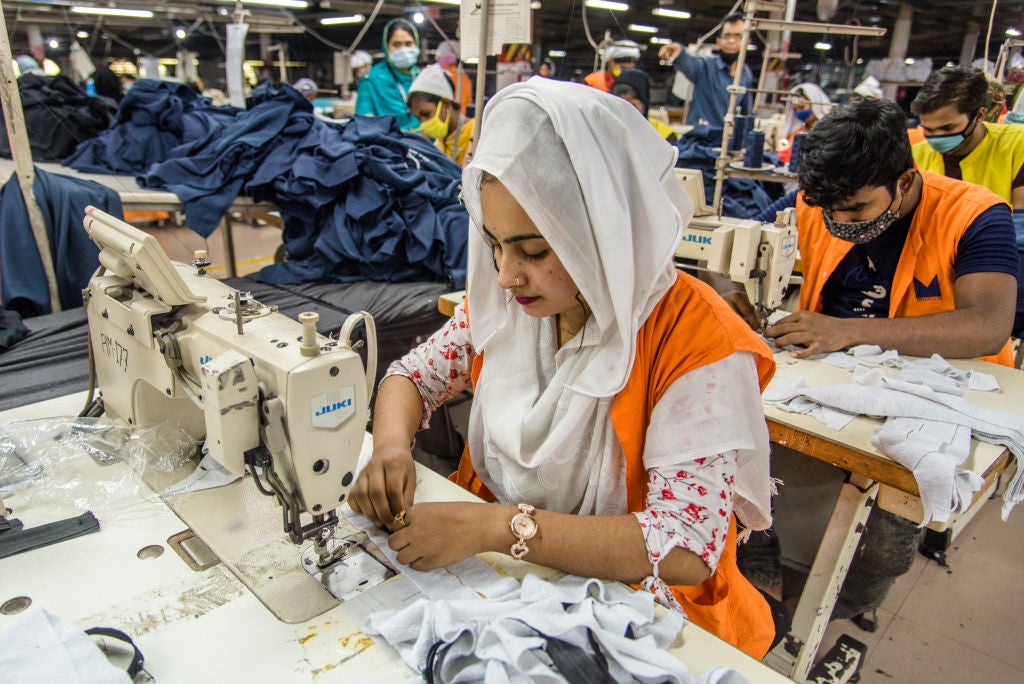
Credit: www.just-style.com
The Impact Of Communication On Quality, Delivery, And Cost
Let’s look at how communication directly affects three key areas:
Quality Control
Japanese buyers expect zero defects. Clear communication about quality standards, inspection points, and corrective actions is essential. Factories with strong communication see fewer returns and complaints.
Example: By setting up a joint quality checklist and reviewing it together, a factory reduced its rejection rate from 4% to less than 1% over six months.
On-time Delivery
Delays are sometimes unavoidable due to strikes, weather, or supply chain problems. Factories that communicate early and propose solutions (like air shipments) keep buyers satisfied.
Example: A factory informed the buyer of a delay due to a fabric issue, and together they agreed to ship part of the order early by air. The buyer was able to launch their product on time in Japan.
Cost Management
Misunderstandings about specs or processes can lead to expensive rework or rejected goods. Upfront communication saves money for both sides.
Example: By confirming exact washing instructions before starting production, one factory avoided a costly mistake that would have required re-washing and re-labeling thousands of garments.
Non-obvious insight: Investing a little more time in the beginning to clarify instructions often saves much larger costs later.
Communication Tools And Technology
Technology is changing the way factories and buyers communicate.
Email And Messaging Apps
Email is still the backbone of business communication. WhatsApp, Line, and WeChat are also popular for quick updates.
Example: Some buyers prefer using Line because it is popular in Japan. Factories that use the buyer’s preferred app often get faster responses.
Project Management Platforms
Some companies use platforms like Trello, Asana, or Slack to track progress, share files, and assign tasks.
Example: A shared Trello board allows both sides to see the status of sample approvals, production, and shipping, reducing the need for long email chains.
Real-time Translation Tools
Apps like Google Translate help break the language barrier, but they are not perfect for technical terms.
Tip: Always double-check machine translations for accuracy, especially with important instructions or specifications.
Video Conferencing
Zoom and Microsoft Teams allow for virtual face-to-face meetings, reducing travel costs and speeding up decision-making.
Example: A buyer in Tokyo can review a live video of garment production in Dhaka and give immediate feedback.
Digital Sample Review
High-resolution photos, 3D modeling, and video walkthroughs allow Japanese buyers to review samples remotely, speeding up the approval process.
Non-obvious insight: While technology helps, over-reliance on digital tools can sometimes create a sense of distance. Personal relationships still matter in Japanese business culture.
Example: Even with all the technology, a handwritten thank-you note sent with a sample can make a strong positive impression.
Japanese Expectations: What Bangladeshi Factories Need To Know
Japanese buyers are known for being demanding, but they are also loyal partners if trust is built. Here’s what factories should focus on:
- Precision: Follow specs exactly. Small changes should be discussed and approved.
- Example: If a certain type of button is specified, do not substitute even a slightly different style without approval.
- Documentation: Keep clear records of all communication, approvals, and changes.
- Example: Store all emails and signed documents in an organized file for easy access.
- Politeness: Use respectful language and show appreciation.
- Example: Begin emails with a polite greeting and end with thanks.
- Proactivity: Report problems early, suggest solutions, and be ready to adapt.
- Example: If a fabric is out of stock, propose alternatives instead of waiting for the buyer to ask.
- Continuous Improvement: Always look for ways to improve processes and quality.
- Example: Hold regular team meetings to discuss how to prevent past mistakes.
Non-obvious insight: Japanese buyers often prefer long-term relationships with reliable partners over switching for small cost savings.
Bangladeshi Strengths And Weaknesses In Communication
Strengths
- Flexibility: Willingness to work overtime or make last-minute changes.
- Example: Adjusting production shifts to meet urgent orders.
- Relationship-building: Warm, friendly approach helps build long-term partnerships.
- Example: Hosting buyers for meals or cultural tours during visits.
- Cost-effectiveness: Ability to offer competitive prices without cutting corners (when communication is clear).
- Example: Finding creative solutions to meet cost targets while maintaining quality.
Weaknesses
- Language skills: Not all staff are fluent in English or Japanese.
- Example: Misunderstandings in technical terms or specifications.
- Documentation: Sometimes weak in record-keeping and reporting.
- Example: Missing approval emails, leading to disputes.
- Reluctance to share bad news: Fear of disappointing buyers can lead to bigger problems.
- Example: Waiting too long to report a production issue.
Non-obvious insight: Bangladeshi managers who proactively ask for feedback and seek clarification often stand out to Japanese clients.
Training And Capacity Building
Forward-thinking companies invest in training their staff, not just in production skills, but also in communication.
Language Training
Offering Japanese and English language courses helps staff communicate confidently and reduces misunderstandings.
Example: A factory offers weekly English and Japanese classes for merchandisers and supervisors, leading to smoother communication and fewer mistakes.
Cross-cultural Workshops
Training on Japanese business culture, etiquette, and expectations prepares teams for smoother interactions.
Example: Workshops teach staff how to interpret Japanese feedback, avoid common mistakes, and build stronger relationships.
On-the-job Learning
Pairing junior staff with experienced communicators helps transfer soft skills and build confidence.
Example: A new merchandiser shadows a bilingual manager during meetings and email correspondence to learn best practices.
Certification Programs
Some factories pursue international certifications (like ISO) to show their commitment to quality and process improvement, which also boosts communication clarity.
Example: Achieving ISO 9001 certification requires clear documentation and process controls, which also align with Japanese buyer expectations.
The Role Of Local Agents And Liaisons
Many Japanese buyers work through local agents or buying offices in Dhaka. These agents play a key role in:
- Translating buyer requirements into factory instructions
- Monitoring progress on-site
- Handling urgent issues and negotiations
Some agents are Japanese expatriates, others are bilingual Bangladeshis with deep industry experience.
Example: An agent visits the factory weekly to check progress, answer questions, and report back to the buyer, preventing small issues from becoming big problems.
Non-obvious insight: Agents can also help manage cultural differences and smooth over misunderstandings before they reach the buyer.
Case Study: Communication Styles In Action
Let’s compare how a typical production issue might be handled in both cultures.
| Scenario | Japanese Approach | Bangladeshi Approach |
|---|---|---|
| Fabric delivery is delayed, risking late shipment | Inform buyer early, apologize, propose solutions, document everything | Try to solve problem quietly, inform buyer only if delay is certain |
| Small defect found in production | Report defect, discuss impact, seek buyer’s advice | Try to fix without telling buyer, hope issue won’t be noticed |
| Buyer’s instructions are unclear | Ask clarifying questions, request examples or samples | Assume meaning, proceed based on experience |
Learning: Japanese buyers value early warning and honesty, even about small issues. Bangladeshi factories succeed when they adapt to this style.
Non-obvious insight: Over time, factories that consistently follow the Japanese approach build stronger, more profitable relationships.
The Future Of Japan-bangladesh Garment Communication
As the global garment industry evolves, communication is becoming even more important. Here’s what the future may look like:
More Direct Buyer Involvement
Japanese brands are sending more staff to Bangladesh, setting up local offices, and training factory teams directly. This reduces misunderstandings and speeds up problem-solving.
Example: A Japanese company opens a liaison office in Dhaka to provide daily support and quality monitoring.
Digital Transformation
Expect more use of AI-powered translation, cloud-based project management, and real-time video inspections. Factories that invest in digital skills will have an edge.
Example: Using AI tools to translate emails more accurately, or adopting shared dashboards for real-time order tracking.
Focus On Sustainability
Japanese buyers increasingly demand not just quality, but also ethical production and sustainability. Communication now includes sharing data on labor practices, environmental impact, and compliance.
Example: Regular reports on worker safety, factory audits, and sustainable sourcing are now part of standard communication.
Growing Competition
Other countries like Vietnam and Indonesia are competing for Japanese orders. Bangladeshi factories must excel in communication to retain and grow business.
Tip: Factories that can offer not only low prices but also reliable communication and quality will have a strong advantage.
Non-obvious insight: The next generation of factory leaders will need both technical and communication skills to succeed in this changing market.
Key Communication Metrics: How Performance Is Measured
Some Japanese companies use key performance indicators (KPIs) to track their suppliers’ communication quality.
| Metric | Definition | Impact |
|---|---|---|
| Response time | How quickly emails/calls are answered | Faster responses build trust |
| Error rate | Number of mistakes due to miscommunication | Lower errors mean better understanding |
| Update frequency | How often progress reports are sent | Regular updates prevent surprises |
| Problem reporting | How early and clearly problems are reported | Early warnings allow for solutions |
| Feedback implementation | How well feedback is applied in future orders | Shows commitment to improvement |
Factories that perform well on these KPIs are more likely to get repeat orders and positive referrals.
Example: A factory that replies to emails within 24 hours, sends weekly updates, and applies all feedback in the next order quickly becomes a preferred supplier.
How To Build Communication Skills In Your Factory
If you manage or work in a Bangladeshi garment factory, here are steps to improve communication with Japanese clients:
- Invest in language skills: Offer regular English and Japanese classes for key staff.
- Document everything: Keep records of all conversations, approvals, and changes.
- Use visuals: Diagrams, photos, and videos help clarify instructions.
- Set regular updates: Schedule weekly calls or emails, even if there’s no big news.
- Appoint a communication lead: Have one person responsible for all client contact.
- Encourage questions: Never assume you “know what they mean”—always ask if unsure.
- Train on Japanese culture: Learn about values, holidays, and business etiquette.
- Reward honesty: Recognize staff who raise problems early.
Example: A factory creates a “communication manual” for all new hires, explaining these steps and the reasons behind them.
Non-obvious insight: Factories that celebrate open communication in internal meetings often see this habit spread to client relationships.

Credit: www.reuters.com
Communication Etiquette: Do’s And Don’ts
Do’s
- Use polite greetings and closings in emails.
- Double-check all details before sending.
- Apologize promptly for any mistakes, even small ones.
- Be specific: “Shipment will be delayed by 2 days due to fabric shortage” is better than “There is a delay.”
- Keep emails concise and clear.
- Respond to all questions, even if the answer is “We are checking and will reply soon.”
Don’ts
- Don’t ignore emails, even if you don’t have an answer yet.
- Don’t promise what you can’t deliver.
- Don’t hide problems or hope they’ll go away.
- Don’t use slang or casual language in business communication.
- Don’t skip important details to “save time”—unclear messages cause delays later.
Example: A factory that always responds to emails within one business day, even if just to say “We received your message and will reply soon,” earns trust from buyers.
Comparison: Japan-bangladesh Garment Communication Vs Other Countries
Bangladesh is not the only country supplying garments to Japan. How does communication compare to other sourcing destinations?
| Country | Communication Style | Common Challenges | Japanese Buyer Perception |
|---|---|---|---|
| Bangladesh | Friendly, improving in clarity | Language, documentation, indirectness | High value, needs more openness |
| Vietnam | More formal, direct | Language, slow decision-making | Efficient, but less flexible |
| China | Direct, businesslike | Price focus, less transparency | Good quality, trust can be an issue |
| Indonesia | Polite, indirect | Delays, slow feedback | Reliable, but slower pace |
Insight: Japanese buyers appreciate the warmth and flexibility of Bangladeshi partners but want more transparency and proactive updates.
Non-obvious insight: Factories that study how top competitors communicate can find ways to stand out and win more business.
Case Example: Improving Communication With Japanese Buyers
A medium-sized factory in Gazipur struggled to keep a Japanese client due to repeated issues with late feedback and unclear reports. After attending a workshop on Japanese business culture, the factory changed its approach:
- Assigned a bilingual project manager to handle all client communication.
- Set up a shared online folder for all documents and updates.
- Sent a weekly summary email, even if there were no major changes.
- Encouraged staff to report any problems, no matter how small.
Within six months, the client increased orders and recommended the factory to another Japanese brand.
Non-obvious insight: Even small changes in communication habits can lead to big improvements in business results.
Japanese Language Phrases Useful For Garment Factories
Learning even a few Japanese phrases can make a big impression and help avoid confusion. Here are some examples:
- Arigatou gozaimasu (Thank you very much)
- Yoroshiku onegaishimasu (Please take care of this / I look forward to working with you)
- Sumimasen (Excuse me / I’m sorry)
- Moushiwake gozaimasen (I sincerely apologize)
- Shouhou (Specification)
- Shikyu (Urgent)
- Kakunin (Confirmation)
Example: Starting a meeting or email with “Arigatou gozaimasu” shows respect and helps build rapport.
Non-obvious insight: Even if your pronunciation is not perfect, buyers appreciate the effort and goodwill.
The Importance Of Face-to-face Communication
Despite digital tools, in-person visits are still highly valued in Japanese business culture. These visits allow:
- Factory tours to build confidence in production capability.
- Personal relationships that foster trust and loyalty.
- Direct observation of working conditions and quality control.
- Opportunities to discuss long-term plans and improvements in detail.
Example: A Japanese buyer visits the factory, observes the production line, and shares a meal with the team. This experience leads to a better understanding and smoother communication going forward.
Non-obvious insight: Even one face-to-face meeting can make remote communication much smoother and more productive later.
Tip: When possible, invite buyers to visit, prepare a detailed agenda, and use the opportunity to ask for direct feedback.
Frequently Asked Questions
What Are The Biggest Communication Mistakes Bangladeshi Factories Make With Japanese Clients?
The most common mistakes are failing to report problems early, using unclear or incomplete reports, and overpromising what can be delivered. Sometimes, factories hesitate to ask questions if instructions are unclear, leading to costly errors.
Example: Not asking for clarification on packaging requirements, resulting in a shipment being delayed at Japanese customs due to incorrect labeling.
How Can Language Barriers Be Reduced Between Japanese Buyers And Bangladeshi Factories?
Hiring bilingual staff, investing in language training, and using clear, simple written English help reduce misunderstandings. Visual aids, such as diagrams and photos, are also useful. Sometimes, third-party interpreters or local agents can bridge the gap.
Tip: Record key meetings and review action points together to ensure everyone understands.
What Does “kaizen” Mean In The Context Of Garment Factory Communication?
“Kaizen” is a Japanese word meaning continuous improvement. Japanese buyers expect their suppliers to learn from past mistakes and keep improving quality, processes, and communication. Factories that show a commitment to kaizen build stronger, longer-lasting partnerships.
Example: After a quality issue, a factory sets up a new training session for staff and shares the results with the buyer.
How Important Is Documentation In Japan-bangladesh Garment Business Communication?
Documentation is critical. Japanese buyers expect detailed records of specifications, approvals, changes, and quality checks. Well-kept documentation prevents disputes and shows professionalism.
Example: Keeping a digital archive of all approved samples, changes, and test reports for each order.
Where Can I Learn More About Cross-cultural Business Communication?
You can find more information about international business communication and cultural differences at [Wikipedia: Intercultural Communication](https://en.wikipedia.org/wiki/Intercultural_communication).
Building effective communication between Japanese buyers and Bangladeshi garment factories takes time, effort, and commitment. By understanding cultural differences, investing in skills and technology, and focusing on transparency and continuous improvement, both sides can create partnerships that deliver quality, reliability, and mutual success in the global fashion market.