
Every piece of clothing you wear goes through a detailed process before reaching your hands. From the fabric mill to the final quality check, a lot can go wrong. Small problems in sewing, cutting, or fabric can lead to garment defects. These issues do not just affect how the clothes look. They can change how long your clothes last, how comfortable they feel, and even the brand’s reputation. Understanding the different types of garment defects can help you spot quality issues, make better buying decisions, and reduce waste.
This guide explores the main types of garment defects. We will look at each defect in detail, explain why they happen, and share real examples from the clothing industry. You will also see practical ways to prevent and fix these problems.
Whether you are a student, a factory manager, or a curious shopper, you will find clear explanations and useful insights throughout this article.
What Are Garment Defects?
A garment defect is any fault, flaw, or irregularity in a piece of clothing that reduces its quality or value. Not all defects are the same. Some are very small and hard to see, while others are clear and may make the item unusable. Defects can be in the fabric, in the stitching, or in the finishing. There are even cases where the design itself causes problems.
Some defects are only cosmetic. For example, a small stain or a crooked label. Others can affect how you use the clothing, such as a zipper that does not close or a seam that rips easily. In the garment industry, defects are usually classified as critical, major, or minor. Critical defects are serious and make the product unsafe or not usable. Major defects are visible and reduce the value. Minor defects are small and do not affect use.
For example, a minor defect might be a tiny loose thread, which most people will not notice. A major defect could be a shirt with an uneven collar, making it look strange and lowering its value. A critical defect is much more serious, like a broken button in baby clothing that can be a choking hazard.
In factories, all defects are tracked carefully to decide if an item can be sold, repaired, or must be thrown away.
Sometimes, defects are a result of mistakes in the design itself, such as poor pattern placement or uncomfortable fit. These are harder to fix after production. Brands and factories use detailed checklists and quality control steps to spot defects at each stage, but some issues are only noticed after the garment reaches the customer.
Why Do Garment Defects Matter?
Quality issues in clothing have real-world consequences. Here are a few reasons why garment defects are important:
- They lower the value of the product.
- They can lead to returns and refunds, costing companies money.
- They can hurt the brand’s reputation.
- They may cause safety issues (for example, a broken button in baby clothing).
- They increase waste if items are thrown away.
When a customer receives a garment with a defect, they are more likely to return it or complain. This means extra costs for the company, not just in money but in lost time and damaged trust. For example, a clothing brand may have to pay for shipping, repairs, or refunds.
If defects happen often, people may stop buying from that brand.
Defects are also bad for the environment. When defective items cannot be fixed, they are thrown away, adding to waste. Many brands now try to fix or recycle defective items, but this is not always possible. In some cases, defects can be dangerous.
For example, sharp metal parts in children’s clothing may cause injury.
Social media has made it easier for customers to share bad experiences. A single photo of a defective garment can reach thousands of people, hurting the brand’s image quickly. Brands must work harder to avoid defects and respond to complaints.
For factories, defects mean more work. Workers may spend extra time fixing mistakes or redoing parts. This can lead to stress and lower morale. The best factories focus on training, clear instructions, and regular checks to keep defect rates low.

Credit: www.hqts.com
Main Types Of Garment Defects
Defects in garments can happen for many reasons. They may come from the fabric, the stitching, the cutting, or even the way the item is handled. Here, you will find a detailed look at the main defect types, real examples, and advice on how to prevent them.
1. Fabric Defects
Fabric is the base of every garment. Problems in the fabric can lead to serious defects that are hard to fix later. Here are some common fabric defects:
A. Holes And Tears
Small holes or tears are usually caused by rough handling, faulty machines, or weak fabric. Even a tiny hole can grow bigger with washing.
For instance, when fabric is moved between machines, sharp objects or rough surfaces can cause holes. Sometimes, the fabric itself is weak because it was made with low-quality yarn. If a garment has a hole, it is often rejected, especially in high-value items like suits.
B. Slubs
Slubs are thick or thin parts in the yarn that make the fabric look uneven. They may happen if the spinning process is not perfect.
Slubs are common in cotton fabrics, especially when machines are not maintained well. Sometimes, slubs are used on purpose to create a textured look, but unplanned slubs are defects. They can make the fabric look messy and reduce its strength.
C. Misweaves And Missed Stitches
A misweave means the threads were not woven correctly, causing a break in the pattern. Missed stitches in knitted fabric cause small gaps.
Misweaves are often seen in patterned fabrics, like checks or stripes. If the threads do not cross correctly, the pattern breaks and looks wrong. In knitted fabrics, missed stitches leave small holes, which can grow with use.
D. Shading
Shading is when two pieces of the same fabric look like different colors. This usually happens if the fabric comes from different dye lots or is exposed to sunlight.
Shading is often noticed when garments are made from several rolls of fabric. If the rolls were dyed in different batches, the color may change. This is a common problem in T-shirts and jeans. Shading can also happen if fabric is left in sunlight for too long.
E. Stains And Spots
Stains can come from oil, ink, water, or even sweat from the workers. These are often hard to remove.
Stains are sometimes caused during transport, when fabric is stacked or moved. Oil from machines, ink from labels, or even water spots can cause permanent marks. Some stains can be cleaned, but others are so deep that the item must be rejected.
F. Uneven Dyeing
Sometimes, the color does not spread evenly, causing light and dark spots. This is called uneven dyeing or patchy dyeing.
Uneven dyeing is a big problem in colored garments. It often happens if the dye bath is not mixed well or if the fabric is not cleaned before dyeing. Light and dark areas are easy to spot, especially in plain fabrics.
G. Yarn Contamination
Foreign fibers or materials mixed into the yarn can create visible specks or lines.
For example, if a black fiber gets into a white yarn, it creates a noticeable mark. Yarn contamination is usually a sign of poor cleaning or mixing at the mill.
Example: A T-shirt with a small oil stain on the shoulder is likely to be sold at a discount or rejected by the brand. In luxury clothing, even tiny fabric defects can lead to full rejection.
Extra Detail: Fabric defects are often found before cutting, but some are only noticed after the garment is sewn. Factories use special lights and inspection tables to find these defects early. Still, human eyes sometimes miss small defects, especially if the inspection is rushed.
2. Sewing Defects
Sewing brings the fabric pieces together. Most visible defects are due to poor sewing. Some common sewing defects are:
A. Open Seams
An open seam is when the stitching breaks or comes apart. This is a major defect because it can make the garment fall apart.
Open seams often happen if the thread is too weak, or the sewing machine is not adjusted well. If the seam opens after the first wash, the garment cannot be used. Open seams are common in places that get a lot of stress, like underarms or waistbands.
B. Skipped Stitches
If the sewing machine misses stitches, there will be gaps in the seam. This is called skipped stitches.
Skipped stitches can be caused by blunt needles, poor thread quality, or wrong machine settings. These gaps make the garment weak and may cause the seam to break.
C. Puckering
Puckering is when the fabric becomes wrinkled around the seam. It often happens if the tension is too high or the fabric is pulled during sewing.
Puckering can make the garment look wrinkled and cheap. It is most common in light fabrics like silk or polyester. Fixing puckering is difficult after sewing, so prevention is key.
D. Uneven Stitching
Stitches should be straight and even. Uneven stitching is when the seam line moves from side to side or the stitches are not the same length.
Uneven stitching is easy to spot, especially in visible areas like collars or hems. It usually happens if the worker is rushing or the machine is not set up correctly.
E. Loose Threads
Loose threads are extra pieces of thread not trimmed properly. They make the garment look unfinished.
Loose threads are common in fast fashion, where workers do not have time to check each seam carefully. They are mostly a cosmetic issue, but can affect the look of the garment.
F. Broken Or Missing Stitches
If there are broken stitches or parts of the seam with no stitching, the garment is weak and may tear.
Broken stitches can be caused by old thread, machine problems, or wrong needles. Missing stitches are often missed during inspection and can lead to returns.
G. Wrong Thread Color
Using the wrong thread color makes the seam stand out and looks unprofessional.
For example, a white shirt sewn with black thread will look strange unless it is part of the design. Wrong thread color is often a result of mistakes in the production line.
Example: A dress with open seams at the waist will not last long and is likely to be returned.
Expanded Insight: Sewing defects are often preventable with training and good machines. Factories use special guides and templates to keep seams straight. In high-quality brands, every garment is checked for sewing defects before leaving the factory.
3. Cutting Defects
Cutting is the first step in garment making. Mistakes here are hard to fix later.
A. Wrong Size Parts
If pieces are cut too small or too big, they will not fit together. This causes the garment to be misshaped.
Wrong size parts can happen if the cutting machine is not calibrated or the pattern is not placed correctly. Even a small error can cause big problems in the final garment.
B. Notches Mismatched
Notches are small marks used to match pieces. If they are cut wrong, the sewing lines will not match, causing twists or uneven shapes.
Notches help workers line up collars, sleeves, or pockets. If notches are off, the garment may twist or look uneven.
C. Fabric Direction Errors
The grain line is the direction of the threads. If parts are cut in the wrong direction, they may twist or stretch after washing.
For example, cutting the front of a shirt against the grain can cause it to lose shape after washing. Grain line errors are hard to see at first, but they affect the fit and look.
D. Plies Shifted
When many layers (plies) of fabric are cut at once, they can move. This causes some pieces to be smaller or misshaped.
Plies shifting is common in mass production, where many garments are cut together. If the layers move, the bottom pieces are often wrong.
Example: A shirt with one sleeve longer than the other often has a cutting defect.
Expanded Insight: Cutting defects can be prevented with careful planning and regular checks. Some factories use computer-controlled cutting machines to reduce errors. Hand cutting is still common in small factories, but needs skilled workers.
4. Finishing Defects
Finishing includes adding buttons, zippers, pressing, and packing. Even a perfect garment can be ruined at this stage.
A. Missing Or Wrong Accessories
Missing buttons, hooks, or zippers are a common problem. Sometimes, the wrong color or size is used.
For example, a jacket with a missing zipper or a shirt with buttons that do not match the design. Accessories must be checked before packing.
B. Poor Pressing
Bad ironing can cause shiny spots, permanent creases, or even burn marks.
Pressing is important for the final look. If the iron is too hot, it can leave marks or damage the fabric. Some fabrics need special pressing machines.
C. Dirty Or Damaged Garments
If the garment is dropped on a dirty floor or handled with oily hands, it may be stained.
Dirty garments are often noticed at the packing stage. Factories use gloves and clean tables to avoid stains.
D. Bad Packing
Poor folding or packing can cause deep creases that are hard to remove.
Packing is often rushed in big factories. If garments are packed badly, they arrive with deep wrinkles. Some brands use special packing materials to avoid this.
Example: A jacket with a missing button is usually marked as a major defect.
Expanded Insight: Finishing defects are often a sign of poor supervision. Good factories have a separate team for finishing, with clear checklists and training.
5. Measurement And Fit Defects
Measurement is key to comfort. A garment that does not fit is often returned.
A. Out Of Tolerance
Each garment has a size tolerance (for example, chest width +/- 1 cm). If the actual measurement is outside this range, it is a defect.
Out of tolerance defects are common in fast fashion, where speed is more important than accuracy. Brands set strict limits for size variations.
B. Uneven Length
Both sleeves or pant legs must be the same length. If not, it is easy to notice and looks unprofessional.
Uneven length can be caused by poor cutting, sewing, or finishing. It is easy to spot but hard to fix after sewing.
C. Tight Or Loose Areas
If the collar, armhole, or waist is too tight or too loose, it will not fit properly.
Fit defects often come from wrong measurements or mistakes in pattern making. They are a major reason for returns.
Example: Jeans with one leg longer than the other are usually rejected.
Expanded Insight: Fit defects are common in online shopping, where customers cannot try before buying. Brands use fit models and size charts to reduce these issues, but mistakes still happen.
6. Pattern And Style Defects
Some defects are not about damage but about how the garment is made or looks.
A. Pattern Misalignment
If the fabric has stripes, checks, or patterns, they must match at the seams. Poor alignment is easy to see and reduces value.
Pattern misalignment is a big problem in shirts, dresses, and coats. It makes the garment look cheap and is hard to fix after sewing.
B. Wrong Placement
Labels, pockets, or prints in the wrong place are style defects.
For example, a pocket sewn too high or a logo printed off-center. These defects are often noticed by customers.
C. Asymmetry
A shirt with one side higher than the other, or uneven collars, is an obvious defect.
Asymmetry can come from poor cutting or sewing. It affects the look and fit.
Example: A plaid shirt with stripes that do not match at the front seam looks cheap.
Expanded Insight: Pattern and style defects are often caused by rushing production or poor supervision. In luxury brands, pattern matching is a key part of quality.
7. Color Defects
Color is one of the first things people notice.
A. Color Bleeding
When washed, the color should stay. If it runs into other parts or fades, this is called color bleeding.
Color bleeding is common in dark or bright fabrics. It can ruin other clothes in the wash and is a major defect.
B. Color Fading
Quick fading after only a few washes is a sign of poor dyeing.
Color fading is often caused by cheap dyes or poor washing instructions. Brands test colorfastness before selling.
C. Shade Variation
Different parts of the same garment should be the same color. Shade variation is very common in large orders.
Shade variation is hard to fix and usually leads to rejection. Some brands use special tests to check for color changes.
Example: Socks that change color after one wash will not satisfy customers.
Expanded Insight: Color defects are often a result of poor communication between fabric mills and factories. Brands now use color cards and digital color matching to reduce these issues.
8. Printing And Embroidery Defects
Printed or embroidered designs are popular, but they also bring new defects.
A. Print Cracking Or Peeling
After washing, the print may crack or peel off. This means poor quality ink or bad curing.
Print cracking is common in cheap T-shirts. Some prints are only meant for dry cleaning, but customers often wash them normally.
B. Off-register Prints
If the print is not in the right place, it looks bad. This is called off-register.
Off-register prints are often caused by mistakes in the printing machine or poor setup. In complex designs, even a small shift is easy to see.
C. Embroidery Pulls
Loose threads or pulls in embroidery make the garment look cheap.
Embroidery pulls can happen if the thread is not secured or the fabric is too thin. Good embroidery needs skilled workers and strong materials.
Example: A T-shirt with a logo print that cracks after one wash is a major defect.
Expanded Insight: Printing defects are often found only after the first wash. Some brands now use special washing tests before selling printed items.
9. Trims And Accessories Defects
Accessories like zippers, buttons, and hooks must be high quality and attached well.
A. Broken Or Missing Trims
Missing or broken zippers, buttons, or hooks are common defects.
Broken trims can be caused by cheap materials or poor attachment. If a zipper breaks after one use, the garment is useless.
B. Rusty Or Sharp Accessories
Metal parts should not rust or have sharp edges. This can be dangerous.
Rusty accessories are often a result of poor storage or cheap metal. Sharp edges can cause injury, especially in children’s clothing.
C. Wrong Placement
A zipper on the wrong side or a button in the wrong place changes the design.
Wrong placement is often a result of mistakes in sewing or poor instructions.
Example: Baby clothes with sharp snaps are a safety hazard and a critical defect.
Expanded Insight: Trims and accessories defects are often checked last, but should be checked earlier. Factories now use metal detectors and special tools to check for sharp parts.
10. Handling And Transportation Defects
Even after production, things can go wrong.
A. Creases And Wrinkles
Bad handling or packing can create deep creases.
Creases are often caused by stacking garments for too long or packing them too tightly. Some fabrics are more sensitive to creases.
B. Dirt Or Oil Stains
Garments can pick up stains during transport.
Stains can come from dirty trucks, oily hands, or poor packing materials. These are often noticed by customers.
C. Odors
Strong chemical or musty smells are usually caused by poor storage.
Odors are common in garments stored in humid warehouses. Some chemicals used in finishing can leave a strong smell.
Example: Clothes smelling of mildew after shipping are likely to be returned.
Expanded Insight: Handling defects are often preventable with good packing and clean storage. Some brands use anti-mildew bags and special storage areas.
Data On Garment Defects In The Industry
Statistics help show how common defects are and their impact on the industry. Research shows that:
- Up to 20% of garments in some factories are rejected due to defects.
- The most common defects are open seams, wrong measurements, and fabric shading.
- Brands spend millions of dollars each year on returns and repairs.
- Quality control checks can reduce defects by up to 80% if done well.
Here is a comparison of defect rates in different types of clothing factories:
| Factory Type | Average Defect Rate | Most Common Defect |
|---|---|---|
| Small-scale Factory | 12% | Open Seams |
| Large Export Factory | 7% | Shading |
| Automated Factory | 4% | Measurement Errors |
These numbers show the importance of quality control and training in reducing defects.
Expanded Example: In 2022, a large export factory in Vietnam reported that most defects happened in the sewing stage, especially during high-volume orders. After adding extra quality checks, their defect rate dropped by 40%. This shows how simple changes can have a big impact.
Causes Of Garment Defects
Understanding the causes helps in prevention. The main reasons for garment defects are:
- Human Error: Mistakes by workers, such as wrong stitching or poor handling.
- Poor Machines: Old or unmaintained machines cause missed stitches or uneven seams.
- Low-Quality Materials: Cheap fabric or trims increase defect risk.
- Bad Environment: Dirty or humid factories can add stains or odors.
- Weak Processes: Poor planning or supervision leads to mistakes.
Non-obvious Insight: Many defects happen because of pressure to work fast. When workers rush, they are more likely to make mistakes, skip steps, or ignore quality checks.
Extra Detail: Some defects are caused by unclear instructions. For example, if a pattern is not labeled well, workers may cut or sew it wrong. Factories now use color-coded patterns and step-by-step guides to reduce these mistakes.
How To Detect Garment Defects
Quality control uses several steps to find defects:
- Visual Inspection: Checking garments by eye for stains, holes, or open seams.
- Measurement: Using tapes or machines to check size and fit.
- Lab Testing: For colorfastness, shrinkage, or chemicals.
- Random Sampling: Checking a few items from a large batch.
Here is a quick comparison of detection methods:
| Method | What It Checks | Best For |
|---|---|---|
| Visual Inspection | Appearance, seams, stains | All garments |
| Measurement | Size, length, width | Trousers, shirts |
| Lab Testing | Color, shrinkage | High-value items |
Non-obvious Insight: Lighting matters. Many small defects are missed if inspection rooms are not bright enough.
Extra Example: Some factories use UV lights to spot stains or holes that are hard to see in normal light. This helps find defects before packing.
How To Prevent And Fix Garment Defects
Prevention saves time and money. Here’s what works:
- Training Workers: Teach staff to spot and fix errors early.
- Good Machines: Maintain and upgrade equipment regularly.
- Quality Materials: Check fabric and trims before production.
- Clear Instructions: Use simple, clear guidelines and checklists.
- In-Process Checks: Inspect at each step, not just at the end.
- Good Storage: Keep garments clean and dry after making them.
If defects are found, some can be fixed:
- Open seams can be resewn.
- Loose threads can be trimmed.
- Small stains may be removed.
- Missing buttons can be added.
But some defects, like shade variation or wrong cutting, cannot be fixed easily and are often rejected.
Experience-based Guide Tip: Always check a sample before making a large order. This helps catch design or process problems early.
Expanded Detail: Factories use special tools like thread trimmers, stain removers, and sewing machines to fix minor defects. For major defects, items are often separated and sent to a repair area. Some brands have special teams for fixing defects before shipping.
Real-world Examples Of Garment Defects
Here are a few real cases from factories:
- A famous sports brand had to recall jackets because the zippers broke easily, a critical trim defect.
- An online store received hundreds of returns for T-shirts with faded prints after washing, showing a printing defect.
- A children’s clothing maker had a safety issue when sharp-edged snaps were found on baby rompers. They switched to plastic snaps for safety.
These examples show that even big brands can have defects if they do not control quality well.
Extra Example: In 2021, a luxury dress brand found that 5% of their dresses had uneven hems. They traced the problem to a new cutting machine and fixed it by updating the software.
Garment Defect Classification: Critical, Major, Minor
Understanding how defects are classified helps decide what actions to take.
- Critical Defects: Unsafe or make the item unusable. Example: Broken zipper on a coat.
- Major Defects: Visible and reduce value. Example: Open seam on a shirt.
- Minor Defects: Small and do not affect use. Example: Slightly crooked label.
Brands often set limits. For example, a shipment may be rejected if more than 2% of items have major defects or any have critical defects.
Expanded Insight: Some brands use detailed scoring systems, where each defect is given points based on severity. This helps decide which shipments pass or fail.
Impact Of Garment Defects On The Industry
Defects do not only affect single items. They have a bigger impact:
- Cost: Returns, repairs, and discounts reduce profits.
- Brand Damage: Poor quality hurts reputation.
- Waste: Defective items are often thrown away, harming the environment.
- Customer Trust: Repeated defects make buyers avoid the brand.
A study by the American Apparel & Footwear Association found that 67% of consumers said they would not buy again from a brand if they received a defective item.
Extra Detail: Some brands use defects as a learning tool. They collect defect data to improve future designs and training. Factories with lower defect rates often win more contracts.
New Technology In Defect Detection
Technology is changing quality control:
- Automated Inspection: Cameras and AI can find small holes or stains faster than humans.
- Barcode Tracking: Tracks each piece through production to spot where defects happen.
- Mobile Apps: Workers use apps to report and track defects quickly.
Many factories now use AI-based systems to catch issues early, saving time and reducing waste. For more about new technology in garment quality control, visit the Wikipedia page on Textile Quality Control.
Expanded Insight: Automated systems can scan hundreds of garments per hour. They use high-resolution cameras to spot defects that humans may miss, like tiny holes or color changes. Some brands now combine automated checks with human inspection for best results.
Common Mistakes In Handling Defects
Even experienced teams make mistakes. Here are some to avoid:
- Ignoring Minor Defects: Small issues often become big problems.
- Skipping In-Process Checks: Only checking at the end is too late.
- Not Training New Staff: New workers need clear training to spot defects.
- Using Cheap Materials: Saving money upfront leads to more defects later.
- Not Fixing Machines: Delaying repairs causes more damage and waste.
Expanded Detail: Some factories make the mistake of focusing only on major defects. This means minor problems, like loose threads or small stains, build up and affect the look and feel of the garment. Regular training and clear checklists help avoid these mistakes.

Credit: www.researchgate.net
How Brands Communicate About Defects
Some brands are open about defects. For example, outdoor companies like Patagonia offer repair services and explain their quality standards. Others may quietly sell seconds at a discount. The best brands have clear policies, offer refunds or repairs, and use customer feedback to improve.
Tip: If you buy something with a defect, contact the brand. Many will offer to fix, replace, or refund the item.
Expanded Insight: Some brands now use online tools to let customers report defects easily. This helps brands track problems and improve faster.
The Cost Of Garment Defects
The price of quality issues can be high. Here is a look at some real numbers:
- Returns: Each return costs brands about $5 to $15 in shipping and handling.
- Repairs: Fixing defects can cost up to 10% of the product’s value.
- Waste: Factories may throw away 2–5% of production due to defects.
- Lost Sales: A single bad review can reduce sales by 20% for new brands.
Over time, these costs add up and can even force small companies out of business.
Expanded Example: In 2020, a small fashion brand had to close after bad reviews about defective zippers. Returns and refunds cost more than their profit. This shows how important defect prevention is.
How Consumers Can Spot Garment Defects
You do not need special training to check for defects before buying:
- Check Seams: Look for open seams, missed stitches, or loose threads.
- Inspect Zippers and Buttons: Test all fasteners.
- Look for Stains: Check sleeves, collars, and pockets.
- Check Alignment: Make sure patterns and stripes match at seams.
- Try On: Check for tight or loose areas.
- Smell the Garment: Bad odors may mean poor storage.
Most stores will let you exchange or return defective items, but catching problems early saves time.
Expanded Detail: When shopping, turn the garment inside out to check seams and finish. Good quality garments have neat inside seams and no loose threads.
Garment Defects In Sustainable And Ethical Fashion
Sustainable brands try to reduce defects and waste. They may repair or recycle defective items instead of throwing them away. Some brands sell “seconds” (items with small defects) at lower prices. This reduces waste and gives customers cheaper options.
Ethical brands also train workers better and use safer materials. This reduces both defects and workplace accidents.
Non-obvious Insight: Some defects, like small dye spots or uneven stitching, are less likely in fair-trade factories because workers are under less pressure to work fast.
Expanded Detail: Sustainable brands often use quality checks at every step. They also encourage customers to repair garments rather than throw them away. This helps reduce waste and supports ethical practices.
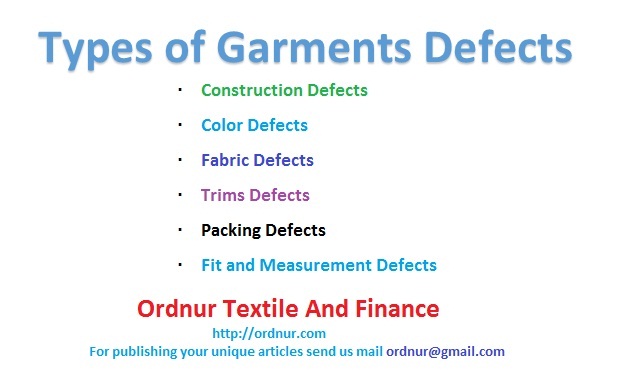
Credit: ordnur.com
Regional Differences In Garment Defects
Defect types and rates can vary by country or region. For example:
- In South Asia, common defects are related to fabric quality and dyeing.
- In Europe, style and measurement defects are more closely watched.
- In China, large factories use more automation, so machine-related defects are less common.
Here is a comparison of defects by region:
| Region | Most Common Defect | Defect Rate (%) |
|---|---|---|
| Bangladesh | Shading | 9 |
| Turkey | Pattern Misalignment | 5 |
| Vietnam | Open Seams | 6 |
These differences often reflect local production methods and market expectations.
Expanded Insight: In Europe, brands often require extra checks for fit and style, because customers expect perfect design. In South Asia, factories focus more on fabric quality because materials are locally sourced.
Garment Defects And Online Shopping
With online shopping, customers cannot check clothes before buying. This increases the risk of getting defective items. Most online stores have return policies, but returns cost time and money.
Here are tips for online shoppers:
- Read reviews for mentions of quality issues.
- Buy from stores with clear return policies.
- Check size charts and ask for real photos if possible.
- Report defects quickly to get a refund or replacement.
Expanded Detail: Some online stores now offer detailed photos, videos, and customer reviews to help spot defects before buying. Still, mistakes can happen, so always check the garment after delivery.
Garment Defects In Luxury Vs. Fast Fashion
Luxury brands usually have lower defect rates because they use better materials, slower production, and more quality checks. Fast fashion brands work fast and in large batches, so defects are more common.
However, no brand is perfect. Even high-end brands can have issues if they rush orders or switch factories.
Expanded Insight: Luxury brands often fix minor defects before shipping. Fast fashion brands may not have time for repairs, so defective items are sold as seconds or recycled.
How Garment Defects Affect Workers
Defects do not only affect customers and brands. They also impact factory workers:
- More defects can mean more unpaid overtime to fix mistakes.
- Workers may be blamed or penalized for high defect rates, even if the cause is poor materials or machines.
- Good training and fair management reduce both defects and stress.
Expanded Detail: Factories with low defect rates often have happier workers. Training, fair pay, and good machines make the work easier and reduce mistakes.
The Future Of Garment Quality
New technology, better training, and more ethical standards are reducing defects worldwide. Brands are investing in automated checks, digital tracking, and better materials.
For consumers, this means higher quality and safer clothing. For workers, it means less stress and safer jobs.
Expanded Insight: In the future, more brands will use digital tools to track defects and improve quality. Customers will have more options to report problems and get repairs.
Frequently Asked Questions
What Is The Most Common Garment Defect?
The most common garment defect is open seams. This happens when the stitching breaks or comes apart, making the garment weak and likely to tear. Open seams are easy to spot and can usually be repaired if found early.
Can Garment Defects Be Fixed?
Some defects can be fixed, such as loose threads, open seams, or missing buttons. However, defects like shade variation, wrong cutting direction, or pattern misalignment are much harder to fix and often lead to the garment being rejected.
How Can I Check For Garment Defects Before Buying?
Check the seams for open or uneven stitching, test all zippers and buttons, look for stains or holes, and check if patterns or stripes match at the seams. If possible, try on the garment to see if it fits well.
Do All Defects Mean The Garment Is Poor Quality?
Not all defects are serious. Minor defects like a small loose thread may not affect the use of the garment. However, major or critical defects can make the item uncomfortable, unsafe, or not last long.
Why Do Defects Happen Even In Big Brands?
Even large brands have defects because of the speed and scale of production, human error, and sometimes because they use many different factories. Quality control helps reduce defects but cannot always catch every problem.
Garment defects are a reality in clothing production, but understanding and managing them helps brands, factories, and shoppers make smarter choices. When you know what to look for, you can avoid waste, save money, and support better practices in the fashion world.