
Garment manufacturing is a complex journey, starting from choosing the right fabric to the final quality inspection. One of the toughest challenges in this industry is fabric defects. Even the smallest flaw can damage a brand’s reputation, cause returns, and lead to financial losses. For factories and brands aiming for consistent quality, understanding fabric defects and how to prevent them is not just important—it’s essential.
Many people see a finished shirt, dress, or pair of jeans without realizing how many checks, processes, and skilled hands are involved. Hidden within these fabrics are potential problems that can ruin the look, durability, and value of a garment.
The goal is not only to catch these issues but, ideally, to prevent them before they ever reach the sewing line.
This guide will explore the main types of fabric defects found in garment production, explain how they happen, and share practical prevention techniques. We’ll look at real-world examples, highlight common mistakes, and offer advice that even experienced professionals might overlook.
Whether you’re a factory manager, quality controller, fashion designer, or student, this article will help you spot issues early, save money, and deliver garments that meet the highest standards.
Understanding Fabric Defects
Fabric defects are any irregularities or flaws in textile materials that reduce their value, appearance, or performance. These defects can occur at any stage—from fiber production to finishing. Some are visible to the naked eye, while others only appear after washing or wearing.
Textile manufacturing is full of variables. Each step, from selecting fibers to the final finishing, can introduce problems. For example, a batch of cotton may look perfect but might contain short fibers, leading to weak yarns and eventual holes in the fabric.
On the other hand, improper chemical usage during dyeing can cause shade variations that only show after the garment is sewn.
Why Are Fabric Defects A Big Problem?
- Customer Returns and Complaints: Defective garments often lead to unhappy customers and product returns. For brands selling online, even a small increase in returns can quickly add up to big costs, both in shipping and lost sales opportunities.
- Brand Reputation: Consistent quality problems can harm a brand’s image, making customers less likely to buy again. In the fashion world, reputation spreads quickly—especially with online reviews and social media.
- Production Delays: Defects discovered late in production can cause costly delays and waste. For example, if a roll of fabric with holes is found only after cutting, the entire batch may be ruined.
- Financial Losses: Replacing, reworking, or discounting defective garments cuts directly into profit. Even small defects, if widespread, can reduce profit margins to almost zero.
Insight: Many brands don’t realize that fabric defects often cause invisible costs, such as lost future orders, increased inspection time, and higher staff turnover from frustration.
Where Do Fabric Defects Come From?
- Raw material quality: Poor quality fibers or yarns can lead to defects. For example, fibers with too much variation in length can result in uneven yarns.
- Manufacturing process: Problems in spinning, weaving, knitting, dyeing, or finishing. Each process has its own risks—like tension issues in weaving or incorrect temperature in dyeing.
- Handling and storage: Mishandling or improper storage can also cause damage. Dust, humidity, or careless stacking can all lead to defects.
Insight: Not all defects are visible during fabric inspection. Some appear only after sewing or the first wash. For instance, weak spots may not show until the garment is stretched or laundered.
Types Of Fabric Defects In Garment Production
The textile industry recognizes dozens of possible fabric defects, but some are more common and serious than others. Here are the main categories and examples you should know:
1. Yarn Defects
These defects originate during yarn spinning and winding. The quality of the yarn is the foundation for all subsequent processes.
Common Yarn Defects:
- Slubs: Thick spots in yarn creating uneven texture. They look like random bumps and can be felt easily.
- Neps: Small knots or fiber balls seen as specks on fabric. These are usually white or off-color, depending on the fiber.
- Foreign fibers: Contamination with other fiber types or colors. Sometimes, these are colored fibers accidentally mixed in during spinning.
Example: White cotton fabric with random blue or black specks, often traced to contaminated yarn. These specks may not seem critical, but on a white shirt, even one small blue fiber can lead to customer complaints.
More Detail: Yarn defects are especially problematic for high-count fabrics (those with very fine yarns), as even a minor irregularity can stand out. In knitwear, slubs create visible lines, while neps can result in uneven dye uptake.
2. Weaving And Knitting Defects
Problems during fabric formation, especially in woven and knitted materials. Weaving and knitting require synchronization of many moving parts; a single broken thread can cause a defect.
Common Weaving/Knitting Defects:
- Broken ends or picks: Missing yarns causing gaps. In woven fabrics, these look like horizontal or vertical lines.
- Float: Yarn floats over several yarns, creating loose threads. This can snag easily during sewing or wearing.
- Dropped stitches: Holes or runs in knits. Especially common in low-tension or poorly monitored knitting.
- Double pick: Extra weft yarns in woven fabric, causing stripes. These create thicker, raised lines.
- Missed interlacements: Incorrect crossing of yarns. The weave structure looks wrong and feels weak.
Example: In denim, a broken weft creates a visible line across the fabric. This defect may lead to rejection by buyers, especially for premium jeans.
More Detail: Looms and knitting machines must be carefully monitored. A small piece of lint on a sensor can cause a missed interlacement, while uneven tension can result in floats. Detection is easier in plain weaves but harder in complex patterns.
3. Dyeing And Printing Defects
Color problems from uneven dyeing, poor preparation, or printing errors. These defects affect appearance and may not show up until after garment washing.
Common Dyeing/Printing Defects:
- Shade variation: Color differences between batches or within the same roll. Sometimes called “barré” in knits.
- Color spots: Unwanted spots or patches of color. Often from undissolved dye particles or chemical splashes.
- Misprints: Printing out of alignment or missing areas. This is especially obvious on striped or checkered fabrics.
- Bleeding: Colors running into each other when washed. Usually due to poor dye fixation or using the wrong type of dye.
Example: A T-shirt with a print where the design is blurry or has double lines. This can make the product unsellable, especially for branded merchandise.
More Detail: Dyeing and printing require precise control of temperature, pH, and time. Even a 1°C change can cause shade variation. For complex multi-color prints, tiny misalignments can result in double images or blurred outlines.
4. Finishing Defects
Arise during the final treatment of fabric (e. g. , bleaching, softening, calendaring). Finishing gives fabric its final hand feel and appearance.
Common Finishing Defects:
- Uneven finish: Glossy and dull patches. Sometimes called “streaks” or “mottling.”
- Over-shrinking: Excessive shrinkage in washing. Makes garments too small after the first wash.
- Chemical stains: Spots from finishing chemicals. Can look like white or yellow marks.
- Creases: Permanent fold lines. Hard to remove, even with ironing.
Example: Dress fabric with permanent shiny lines from over-pressing. The fabric looks used before the garment is even worn.
More Detail: Finishing is often rushed to meet deadlines, but skipping steps or using the wrong temperature can lock in defects. Some finishes, like water repellents or flame retardants, must be applied in precise amounts—too much or too little causes problems.
5. Physical And Surface Defects
Easily seen or felt on the fabric surface. These are what most consumers notice first.
Common Physical/Surface Defects:
- Holes: Small or large openings in the fabric. These can be from broken needles or sharp objects.
- Snags: Loops or pulled threads. Common in knits and synthetics.
- Pilling: Small balls of fiber on the surface after wear or washing. Makes the garment look old quickly.
- Wrinkles: Hard-to-remove creases. May be set during storage or shipping.
Example: Sweaters with little fiber balls after a few washes—classic pilling. Customers often see this as a sign of poor quality, even if the sweater is otherwise well-made.
More Detail: Surface defects are also affected by the type of fiber and the fabric structure. For example, polyester is more prone to pilling than long-staple cotton. High-twist yarns pill less than low-twist.
6. Contamination And Foreign Matter
Unwanted substances in or on the fabric. These often come from the environment or careless handling.
Common Contaminants:
- Oil stains: Grease marks from machines. Sometimes invisible until the fabric is dyed.
- Dust or lint: Visible particles embedded in fabric. Can cause color spots after dyeing.
- Labels or stickers: Adhesive residue left behind. Attracts dust and can cause sewing problems.
Example: Light-colored shirts with faint, greasy lines from machinery. These marks often show up after pressing, and can be hard to remove.
More Detail: Contamination can also come from packaging materials or even from workers’ clothing. Synthetic fibers are especially prone to static, which attracts lint and dust.
7. Structural Defects
Problems with the overall structure, affecting strength and durability. These may not be obvious until the fabric is stressed.
Common Structural Defects:
- Weak spots: Areas that tear easily. Sometimes due to missing yarns or chemical damage.
- Thin places: Sections with less yarn, making them see-through. Particularly problematic in light-colored or sheer fabrics.
- Uneven weight: Fabric feels heavier in some parts. Can cause the garment to hang unevenly.
Example: Sheer curtains with areas that tear during sewing. These weak spots may be invisible to the eye but fail under stress.
More Detail: Structural defects can be caused by problems as early as fiber selection. For example, recycled fibers may be shorter or less strong, leading to inconsistent fabric properties.
Non-Obvious Insight: Some defects, like hidden weak spots, only become clear during garment use—not during inspection. This means that even well-checked fabric can cause problems for the end user.

Credit: www.mdpi.com
Major Fabric Defects: Causes, Effects, And Prevention
Let’s explore the most critical defects in detail, with their causes, effects on garments, and how to prevent them.
Slubs
Cause: Thick lumps in yarn, often due to poor spinning, uneven fiber feeding, or machine malfunction. Sometimes, slubs are intentional for “slub yarn” fabrics, but accidental slubs are unwanted.
Effect: Visible bumps, uneven surface, and poor dyeing. In printed fabrics, slubs can cause missed or blurred prints.
Prevention:
- Use high-quality, well-blended fibers. Cotton with fewer short fibers is ideal.
- Maintain spinning machines regularly. Check for worn-out rollers or dirty feeds.
- Train operators to spot and remove slubs early. Use magnifiers for close inspection.
Example: In linen fabrics, some slubs are considered part of the natural look. In smooth shirting, however, they are a clear defect.
Neps
Cause: Short fibers or foreign matter form tiny knots during spinning. Neps are more common in cheaper, less processed cotton.
Effect: Small white or colored specks, rough feel. May cause uneven dye uptake, leading to lighter spots after dyeing.
Prevention:
- Use clean, long staple fibers. Invest in better ginning and carding.
- Adjust carding and combing settings. Remove as many short fibers as possible.
- Inspect yarn before weaving. Use electronic sensors if possible.
Insight: Neps increase with the use of recycled or low-quality fibers. Factories often miss neps because they blend in with undyed fabric.
Broken Ends And Picks
Cause: Yarn breaks during weaving due to tension, poor yarn quality, or machine faults. Frequent breaks may signal deeper issues in yarn preparation.
Effect: Lines or gaps, weak fabric. May unravel during sewing or wearing.
Prevention:
- Monitor and control yarn tension. Use electronic tension sensors where possible.
- Use strong, even yarn. Avoid using yarns with a high count of short fibers.
- Regularly check loom settings. Schedule preventive maintenance, not just repairs.
Example: In bedsheet production, broken ends can lead to weak spots that tear during use or washing.
Shade Variation
Cause: Inconsistent dyeing, different lots, or uneven chemical application. Even slight temperature changes during dyeing can cause this defect.
Effect: Patchy color, mismatched garment panels. Especially noticeable in solid-colored garments.
Prevention:
- Dye all fabric for one order together (batch dyeing). Avoid mixing lots in one garment.
- Use automated dosing and mixing systems. Human error is a common cause.
- Store dyed fabrics in controlled conditions. Humidity can change color appearance.
Non-Obvious Insight: Always match garments from the same dye lot, especially for uniforms and coordinated sets. Some factories use color scanning technology to check batch consistency.
Pilling
Cause: Short fibers loosen and roll into balls from friction during wear or washing. Pilling is more common on loosely spun yarns and synthetic fibers.
Effect: Worn, untidy look after a few uses. Reduces garment value, even if the fabric is still strong.
Prevention:
- Use tightly spun, long staple yarns. Combed cotton pills less than carded.
- Apply anti-pilling finishes. These are chemical treatments that reduce fiber movement.
- Advise customers on gentle washing. Turn clothes inside out and wash on low spin.
Example: Sweaters worn under jackets pill faster due to friction.
Holes And Snags
Cause: Sharp objects, broken needles, or rough handling. Can also occur if fabric is over-stretched during processing.
Effect: Visible damage, weaker garments. Holes may grow larger with wear.
Prevention:
- Keep sewing and inspection tables clean. Avoid contact with pins or scissors.
- Replace damaged machine parts quickly. Blunt or bent needles are a major cause.
- Train staff on careful fabric handling. Never drag or pull fabric rolls.
More Detail: In knit fabrics, a single snag can lead to a “run”—a long line of holes.
Oil Stains
Cause: Machine oil leaks, dirty rollers, or careless maintenance. Oil is hard to remove and may become more visible during finishing.
Effect: Greasy marks, difficult to remove after sewing. Can cause rejection of entire rolls.
Prevention:
- Use fabric covers and shields on machines.
- Schedule regular machine cleaning. Clean up any leaks immediately.
- Keep fabrics away from workstations during maintenance. Store in covered racks.
Example: Sportswear factories often face oil stains from high-speed knitting machines.
Uneven Finish
Cause: Incorrect finishing settings, uneven chemical application, or faulty rollers. Sometimes, the finish is not fully cured.
Effect: Glossy and dull areas, changes in drape. Affects both appearance and feel.
Prevention:
- Calibrate finishing machines before use. Run test pieces first.
- Test finish on samples first. Check both visual and hand feel.
- Monitor chemical tanks for even mixing. Stir chemicals before and during use.
More Detail: For waterproof or flame-retardant finishes, uneven application can cause safety failures.
Contamination
Cause: Lint, hair, packaging material, or foreign fibers during handling or storage. Even air movement can carry dust onto wet fabric.
Effect: Visible spots, rejection by buyers. May only appear after dyeing, when foreign matter picks up color differently.
Prevention:
- Keep storage areas clean and dust-free. Use air filters if possible.
- Use protective covers for fabric rolls. Avoid open storage.
- Train staff to wear protective clothing. Hairnets and clean uniforms help.
Non-Obvious Insight: Contamination is often higher during busy seasons, when staff and storage space are stretched.
Creases And Wrinkles
Cause: Folding, tight rolling, or improper storage. Can also form during transport if rolls are stacked too high.
Effect: Hard-to-remove lines that affect garment appearance. Some creases become permanent after finishing.
Prevention:
- Roll fabrics loosely on wide tubes. Avoid sharp folds.
- Store upright, not stacked. If stacking is needed, use soft separators.
- Use steam pressing before cutting. Check for stubborn creases.
Example: Linen fabrics are particularly prone to creasing.
Double Pick
Cause: Weft insertion error in weaving, causing extra yarn in one row. Can be due to mechanical faults or operator error.
Effect: Thick, visible line across fabric. May cause tension problems during sewing.
Prevention:
- Inspect looms regularly for mechanical errors. Look for worn pickers.
- Use sensors to detect double picks early. Modern looms often have alarms.
More Detail: In patterned fabrics, double picks can ruin the design alignment.
Thin Places
Cause: Yarn breakage, uneven tension, or poor loom setup. Sometimes, the cause is low-quality yarn with weak spots.
Effect: Weak, transparent sections. May tear during sewing or wearing.
Prevention:
- Use yarn with consistent strength. Test yarn batches before use.
- Check tension settings daily. Record and analyze tension changes.
- Inspect fabric continuously during production. Stop machines at first sign of thinness.
Bleeding
Cause: Poor dye fixation, wrong chemicals, or excess dye. Some dyes are not suitable for all fibers.
Effect: Colors run during washing, especially in dark or bright fabrics. Can stain other garments.
Prevention:
- Use colorfast dyes. Test for wash fastness in the lab.
- Carry out proper washing-off after dyeing. Remove loose dye thoroughly.
- Test samples for wash fastness. Use home-style washing machines for realism.
Insight: Bleeding can be worse in hard water areas or with certain detergents.
Missed Interlacements
Cause: Incorrect loom programming, worn-out parts. Often, a missed interlacement is hard to see until after finishing.
Effect: Gaps or incorrect weave structure. Can weaken the fabric and affect design.
Prevention:
- Update loom software regularly. Check patterns before starting production.
- Replace old or damaged parts. Keep a maintenance log.
More Detail: In technical textiles (e.g., airbags), missed interlacements can be dangerous.
Chemical Stains
Cause: Spillage, improper finishing chemicals, or residue. Sometimes, excess chemicals are not washed off properly.
Effect: Discolored spots, fabric weakness. May show up only after storage.
Prevention:
- Follow chemical handling protocols. Train staff in spill response.
- Use only tested and approved chemicals. Keep MSDS (Material Safety Data Sheets) available.
- Clean spills immediately. Rinse affected fabric if possible.
Label And Sticker Residue
Cause: Poor quality adhesives, incorrect application. May also happen if stickers are left on during finishing.
Effect: Sticky patches, dirt attraction. Can cause problems during sewing.
Prevention:
- Use approved, easy-peel labels. Test adhesives before bulk use.
- Place stickers on selvage, not usable area. Remove before finishing.
More Detail: Adhesive residue often attracts more dust and lint, compounding the problem.
Inspection And Detection Of Fabric Defects
Spotting fabric defects early is critical to avoid losses later. There are several methods for inspecting fabrics in the garment industry.
Manual Fabric Inspection
Still the most common method, especially in developing countries. Inspectors use their eyes and hands to look for visible and touchable defects.
How it works: Inspectors check fabric by eye, usually on a rolling machine under good lighting. Some use magnifying glasses for fine defects.
Pros: Simple, cheap, flexible. Can inspect all types of fabric, including complex textures.
Cons: Human error, fatigue, and missed small defects. Inspectors may become less alert over time.
Tips for Success:
- Rotate inspectors to avoid fatigue. No one should inspect for more than two hours straight.
- Use bright, even lighting. Light from both above and below the fabric works best.
- Train staff to recognize less obvious defects. Use samples for training sessions.
- Keep a record of defects found. This helps identify patterns and repeat problems.
Example: Some factories use checklists for each inspector, detailing what to look for and how to report issues.
Automated Fabric Inspection
Uses cameras and software to scan fabric for defects. These systems can analyze thousands of square meters per hour.
Pros: Fast, consistent, can catch tiny flaws. Reduces dependence on skilled labor.
Cons: Expensive, may need skilled operators, not perfect for all fabrics (e.g., highly textured). May miss very subtle shade differences.
Industry Example: Large sportswear factories use automated systems for high-volume, high-quality orders. These systems can be linked to production data for process improvement.
More Detail: Automated systems can be set to trigger alarms or stop the machine when a defect is found. Some systems even classify the defect type automatically.
4-point And 10-point Inspection Systems
These are standard scoring systems to grade fabric quality. They help factories and buyers agree on what is “acceptable. “
- 4-Point System: Assigns points for each defect based on size and type. If points per 100 square yards exceed a limit, the roll is rejected.
- 10-Point System: More detailed, used for finer fabrics. Each square yard is given a score; higher scores mean more defects.
Practical Note: Always follow buyer requirements for inspection standards. Some buyers have their own custom systems.
Example: A roll with a long, thin hole might score 4 points in the 4-point system and be rejected, even if the rest of the fabric is perfect.
Sample Testing
Sometimes, small fabric samples are tested for:
- Colorfastness (to washing, light, or rubbing)
- Shrinkage (after washing or steaming)
- Strength (tear and tensile)
This helps catch issues that are not visible, such as poor dyeing or weak spots.
More Detail: Testing can also include pH, formaldehyde content, or special finishes (e.g., flame retardancy). Results help decide if a batch is safe to use.
Real-time Monitoring
Some modern mills use sensors on looms to detect defects as soon as they occur, stopping the machine and alerting workers.
Benefit: Problems are fixed quickly, reducing waste. Workers can trace the defect to its cause immediately.
Example: In high-speed weaving, sensors can detect a broken yarn or double pick instantly.
Insight: Real-time systems are especially valuable in technical textiles or expensive fabrics, where waste is very costly.
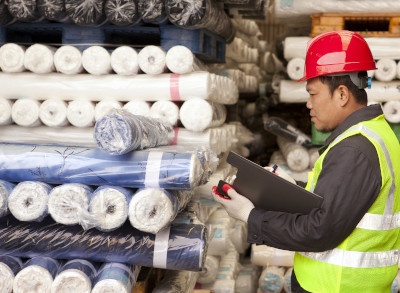
Credit: www.intouch-quality.com
Prevention Techniques For Fabric Defects
Prevention is better—and cheaper—than cure. Here’s how top factories prevent fabric defects:
1. Sourcing Quality Raw Materials
- Choose reliable suppliers with proven track records. Check their quality certifications.
- Specify fiber length, strength, and cleanliness. Don’t just accept the cheapest option.
- Test raw materials before accepting deliveries. Use lab analysis for critical properties.
Example: Some factories keep “reference samples” to compare all incoming materials.
2. Machine Maintenance And Calibration
- Schedule routine cleaning and maintenance for all equipment. Don’t wait for breakdowns.
- Calibrate machines for correct tension, speed, and heat. Keep a calibration log.
- Replace worn-out parts immediately. Even small wear can cause big defects.
Insight: Preventive maintenance is cheaper than emergency repairs and keeps quality steady.
3. Staff Training
- Train all workers to handle fabric carefully and spot early signs of defects. Use real samples in training.
- Update training when new machines or processes are introduced. Don’t assume old habits are enough.
- Motivate staff with quality rewards and recognition. Celebrate defect-free batches.
Pro Tip: Involve staff in quality circles—small groups that discuss and solve quality issues together. This builds ownership and new ideas.
4. Controlled Environment
- Keep production areas clean and dust-free. Use air filters if possible.
- Control temperature and humidity to prevent static, shrinkage, or mildew. Install climate control if needed.
- Store fabric rolls upright and covered. Avoid stacking rolls on dirty floors.
Example: In humid climates, moisture control is key to preventing mildew and shrinkage.
5. Standard Operating Procedures (sops)
- Develop clear instructions for every stage—spinning, weaving, dyeing, finishing. Use photos or diagrams.
- Display SOPs at each workstation. Make them easy to read and follow.
- Audit processes regularly to ensure compliance. Use checklists for supervisors.
Insight: SOPs should be living documents, updated as new problems are found or processes change.
6. In-line Inspection
- Check fabric at every stage, not just at the end. Set up checkpoints after key processes.
- Use checklists for operators to tick off. This builds accountability.
- Record and review defect data to spot trends. Share findings in team meetings.
Example: One factory reduced defects by 30% just by adding a mid-production inspection step.
7. Advanced Technology
- Invest in automated inspection, tension control, and defect sensors where possible. Start small and expand as needed.
- Use digital tracking to trace defects back to their source. Tag rolls and batches electronically.
Insight: Technology is only as good as the people using it. Train staff to interpret and act on data.
8. Chemical And Process Control
- Use only approved dyes and chemicals. Check supplier certifications.
- Measure and mix chemicals precisely. Use digital scales and timers.
- Monitor pH, temperature, and time closely during dyeing and finishing. Record all settings for traceability.
Example: One dye house solved a recurring shade variation problem by switching to automatic dosing.
9. Supplier Collaboration
- Work closely with suppliers to improve fiber and yarn quality. Visit their facilities if possible.
- Share defect data and set joint improvement targets. Treat suppliers as partners.
- Audit supplier processes if possible. Look for problems at their source.
Insight: Long-term relationships with suppliers often lead to better quality and faster problem resolution.
10. Customer Feedback Loop
- Collect feedback from buyers and end-users. Set up a system for returns and complaints.
- Investigate complaints and returns to find root causes. Don’t just blame the user.
- Use feedback to update prevention techniques. Share lessons learned with the whole team.
Non-Obvious Insight: Prevention is not just about machines. Often, human habits and communication gaps cause more defects than technology ever will.
The Cost Of Fabric Defects
Fabric defects are expensive—not only in money, but in time, brand reputation, and lost opportunities.
Direct Costs
- Material waste: Defective fabric is often scrapped or sold at a loss. For expensive fibers, this can be a huge cost.
- Rework: Extra time and labor to fix or replace defects. Sometimes, garments have to be unstitched and remade.
- Returns: Sending garments back, sometimes across continents. Return shipping can cost more than the garment itself.
Example: A factory making uniforms for a government order had to replace an entire batch due to shade variation, losing both money and future contracts.
Indirect Costs
- Customer dissatisfaction: Lost future orders. Word of mouth spreads quickly.
- Production delays: Missing delivery deadlines. Can result in penalties or canceled orders.
- Inspection costs: More staff and time spent checking fabric. These costs add up over thousands of meters.
Hidden Costs
- Supplier penalties: Fines for delivering defective goods. Some buyers deduct costs directly from payments.
- Lost trust: Retailers may switch to other suppliers. Rebuilding trust can take years.
Data Example: According to industry studies, 10% of textile production cost can be lost to defects if not properly managed. In some cases, this can be the difference between profit and loss.
Insight: The true cost of defects is often much higher than the visible cost, once you include lost time, trust, and future business.
Real-world Examples And Case Studies
Example 1: Sportswear Factory
A large sportswear brand found that 8% of its returned goods were due to shade variation. After switching to batch dyeing and automated color checking, returns fell to 2%, saving over $400,000 per year.
Lesson: Investing in better dyeing and color matching processes quickly paid for itself, both in cash savings and improved customer ratings.
Example 2: Denim Mill
A denim mill struggled with oil stains, causing 5% of rolls to be rejected. Introducing weekly machine cleaning and operator training cut stains by 80%.
Lesson: Simple changes in cleaning and staff habits prevented most oil stains, reducing waste and increasing profits.
Example 3: Small Shirt Manufacturer
A small factory making shirts for export suffered from pilling complaints. By switching to longer staple yarns and adding an anti-pilling finish, they reduced pilling issues by half and kept their main buyer.
Lesson: Changing raw materials and finishes can quickly improve product quality—even for smaller factories.
Non-Obvious Insight: Small process changes—like extra cleaning or better training—often have a bigger impact than buying expensive new machines.
Example 4: Knitwear Factory
A knitwear factory noticed a rise in holes and snags. After reviewing their process, they found that a new batch of needles was slightly too sharp. Switching to a different supplier reduced defects by 70%.
Lesson: Even small equipment changes can cause large quality shifts. Always test new supplies before full-scale use.
Example 5: Home Textiles Producer
A bedsheet manufacturer found high rejection rates due to thin places. They began testing yarn strength before weaving and rejected weak lots. Rejections dropped and customer complaints fell by 60%.
Lesson: Quality control at the raw material stage saves money and protects reputation.
Common Mistakes In Fabric Defect Prevention
Even experienced factories can make mistakes that lead to higher defect rates.
1. Ignoring Small Defects
Small slubs, neps, or color spots often get ignored, but can become big problems after washing or sewing.
Tip: Treat small defects seriously—they are often symptoms of bigger issues. Always investigate the root cause.
Example: A small oil spot may signal a bigger leak in the machine that could ruin an entire batch.
2. Inconsistent Inspection
Quality can drop when inspection is not done regularly, or only at the end.
Tip: Inspect at every stage, not just before shipping. Set up checkpoints and keep records.
3. Poor Communication
Operators may notice defects but not report them, fearing blame.
Tip: Create a no-blame culture—encourage staff to report problems early. Reward those who catch issues before they grow.
Insight: Many recurring defects are only solved when communication barriers are removed.
4. Using Outdated Technology
Old machines or manual processes may save money but often lead to more defects.
Tip: Invest in technology where it improves quality and efficiency. Even small upgrades, like better lighting or tension sensors, can help.
5. Focusing Only On Cost
Cutting corners on raw materials or staff training can be expensive in the long run.
Tip: Quality always pays for itself through fewer defects and higher customer satisfaction.
6. Not Updating Sops
Factories often keep using old procedures, even when defects change.
Tip: Review and update standard operating procedures regularly. Involve staff in the process.
7. Skipping Sample Testing
Assuming that previous batches were fine can lead to missed new problems.
Tip: Test every batch, especially when using new suppliers or changing chemicals.
The Role Of Quality Control In Garment Production
Quality control (QC) is not just about inspection. It’s a system for preventing, detecting, and fixing defects.
Key Qc Activities
- Setting Standards: Define what is acceptable for each product. Include both visual and performance standards.
- Training: Teach staff to meet and maintain these standards. Use examples of both good and bad quality.
- Testing: Use lab tests to check colorfastness, shrinkage, and strength. Share results with production teams.
- Auditing: Regularly review processes and outcomes. Use both internal and external audits.
- Continuous Improvement: Use feedback and data to keep getting better. Set targets for reducing defects.
Example: A factory introduced a “zero-defect” award for teams with the lowest defect rates, encouraging friendly competition and innovation.
Qc And Compliance
Many buyers require factories to meet international standards like ISO 9001 or OEKO-TEX. These certifications mean factories must have strict QC systems and traceable records.
Industry Example: Brands like H&M and Nike require suppliers to pass regular quality audits. Failing an audit can mean losing contracts.
More Detail: Compliance also covers safety and environmental standards, not just product quality.
How To Choose The Right Fabric Inspection System
Choosing the right inspection system depends on production size, fabric type, and quality requirements.
Manual Vs. Automated Inspection
| Feature | Manual Inspection | Automated Inspection |
|---|---|---|
| Cost | Low | High |
| Speed | Moderate | Fast |
| Accuracy | Depends on inspector | Consistent |
| Best For | Small/medium factories | Large, high-volume mills |
Example: Small factories often start with manual inspection but may add simple sensors as they grow.
4-point Vs. 10-point System
| System | Use Case | Defect Sensitivity |
|---|---|---|
| 4-Point | General fabrics, most garments | Good |
| 10-Point | Fine fabrics, strict buyers | Very high |
Tip: Always train inspectors in the chosen system—different systems can give different results for the same fabric.
When To Use Sample Testing
- For special finishes (e.g., waterproof, flame-resistant)
- When colorfastness is critical (e.g., uniforms)
- When buyer requires lab certification
Tip: For high-value garments, combine several methods: automated scanning, manual checks, and lab testing.
Insight: Some defects are only found by testing fabric under real use conditions, like repeated washing or exposure to sunlight.
The Impact Of Fabric Defects On Sustainability
Fabric defects don’t just cost money—they harm the environment. Every meter of defective fabric means wasted energy, water, and chemicals.
Environmental Consequences
- Waste: Defective fabric is often landfilled or incinerated. Both options are environmentally damaging.
- Resource Use: More water, energy, and chemicals used to replace wasted fabric. Textile production is already resource-intensive.
- Carbon Footprint: Higher emissions from extra production and transport. Every defective batch increases the factory’s overall footprint.
Insight: Reducing defects is one of the simplest ways for factories to improve their environmental performance.
Sustainable Solutions
- Use recycled fibers for test runs. This reduces waste if defects are found.
- Recycle defective fabric into lower-grade products (e.g., cleaning rags, insulation). Some mills have dedicated recycling lines.
- Train staff to minimize waste during cutting and sewing. Use software to optimize pattern placement.
Example: Some brands collect leftover fabric and transform it into accessories or patchwork collections.
Industry Example
Some brands, like Patagonia, upcycle defective materials into new products, reducing waste and supporting the circular economy.
External Reference: For more on textile sustainability, see Sustainable Fashion.
How Technology Is Changing Fabric Defect Prevention
New technologies are making it easier to detect, prevent, and even predict fabric defects.
Ai-powered Inspection
Artificial intelligence can learn to spot even rare defects, improving accuracy and speed. AI can be trained on thousands of defect images, learning to recognize subtle patterns.
Example: AI systems can flag defects that human eyes miss, especially on complex prints. Some systems can even predict which machines are most likely to cause defects based on past data.
Data Analytics
Factories now use software to track where and when defects occur. This data helps spot patterns, such as a certain shift or machine causing more problems.
Insight: Data-driven factories have 15-30% fewer defects on average. Regular data review leads to faster improvements.
Smart Sensors
Sensors on machines can measure tension, temperature, and humidity in real time, alerting staff before a defect happens. These systems can stop production automatically if parameters go out of range.
Example: In dyeing, sensors can adjust chemical dosing on the fly to avoid shade variation.
Mobile Apps
Some factories use smartphone apps for instant defect reporting, complete with photos and GPS location. This speeds up communication between the floor and quality managers.
More Detail: Apps can be used for audits, checklists, and tracking corrective actions.
Traceability
Digital tags (RFID) can track fabric rolls through every stage, making it easier to find and fix problems. If a defect is found, it’s easy to trace it back to the exact batch, machine, or operator.
Example: Luxury brands use RFID to track every meter of fabric, preventing counterfeiting and ensuring quality.

Credit: chiuvention.com
Garment Defects Vs. Fabric Defects: The Difference
It’s important to understand the difference between garment defects and fabric defects.
- Fabric defects: Flaws in the fabric before cutting and sewing. These are usually the responsibility of the fabric supplier or the in-house textile mill.
- Garment defects: Problems that occur during cutting, sewing, or finishing, like poor stitching, wrong measurements, or misplaced labels.
Insight: Many garment defects are actually caused by undetected fabric defects—such as holes, shade variations, or weak spots. Good fabric inspection reduces garment defects.
Example: A small hole in the fabric may not be noticed until the garment is sewn, leading to rework or rejection.
Role Of Buyers And Brands In Defect Prevention
Brands and buyers can help prevent defects by:
- Setting clear quality standards and communicating them to suppliers. Include samples and photos of acceptable and unacceptable quality.
- Auditing suppliers and offering technical support. Regular visits and feedback help maintain standards.
- Allowing enough time for proper inspection and prevention steps. Rushed orders often lead to shortcuts and missed defects.
Buyer Mistake: Rushing orders or demanding lowest price often leads to more defects and higher costs in the long run. Smart buyers invest in supplier relationships and quality systems.
Insight: Buyers who work closely with suppliers usually get better quality and fewer surprises.
Future Trends In Fabric Quality Control
As the textile industry evolves, new trends are emerging:
1. Digital Twins
Virtual models of machines and processes help predict where defects might occur. Problems can be simulated and solved before production starts.
Example: A factory uses a digital twin to test new weaving patterns without risking actual fabric.
2. Remote Auditing
Brands use video and data sharing to audit suppliers without traveling. This is faster and cheaper, especially for international supply chains.
Example: During the COVID-19 pandemic, remote audits became the norm.
3. Sustainable Quality Programs
Focus on reducing waste, recycling, and using eco-friendly chemicals. Some brands now require suppliers to report on sustainability as part of quality audits.
4. Collaborative Platforms
Suppliers, brands, and even customers share data to improve quality across the supply chain. Problems are solved faster with shared information.
Example: Some global platforms track defects and corrective actions for all partners to see.
5. Automated Root Cause Analysis
Software analyzes defect data to find the real reasons behind quality issues. This speeds up problem solving and prevents recurrence.
Insight: Automated analysis can spot trends that humans miss, such as seasonal or shift-related defects.
Practical Advice For Reducing Fabric Defects
- Build strong relationships with suppliers; visit their mills if possible. Trust and communication reduce misunderstandings.
- Invest in training—people, not just machines, prevent most defects. Regular refreshers keep skills sharp.
- Don’t skip testing, even on repeat orders—raw materials can change. Always verify quality.
- Keep detailed records of defects and use them for improvement. Analyze trends and take action.
- Make quality everyone’s responsibility, from warehouse to finishing. Empower staff to speak up about problems.
More Tips:
- Use both visual and tactile inspection—some defects can only be felt.
- Encourage a culture of continuous improvement.
- Reward teams for meeting quality goals.
- Regularly review and update SOPs as new defects are discovered.
Frequently Asked Questions
What Are The Most Common Fabric Defects In Garment Production?
The most common defects include slubs, neps, shade variation, holes, pilling, oil stains, and broken ends or picks. These can occur at different stages, often due to poor raw materials, machine issues, or handling errors.
Example: In T-shirts, shade variation and holes are most common; in knits, pilling and snags are frequent.
How Can Factories Reduce The Risk Of Shade Variation?
To reduce shade variation, factories should use batch dyeing for all fabric in one order, automate chemical mixing, control temperature and humidity, and always match garment panels from the same dye lot.
Tip: Use color scanning devices to compare rolls before cutting.
Why Is Early Defect Detection Important In Garment Manufacturing?
Detecting defects early prevents wasted time and money later. Early detection means less material waste, fewer production delays, and higher customer satisfaction. It also helps identify root causes before they become bigger problems.
Insight: Many defects that seem small at first become major issues after sewing and washing.
Are Automated Inspection Systems Better Than Manual Inspection?
Automated systems are faster and more consistent but are expensive and may not work for all fabrics. Manual inspection is flexible and cheaper but depends on the skill and alertness of inspectors. The best factories use a combination of both.
Tip: Use manual inspection for complex textures and automated systems for large, flat fabrics.
What Role Do Buyers And Brands Play In Fabric Defect Prevention?
Buyers and brands set quality standards, audit suppliers, and provide technical support. Their commitment to quality—rather than just low price or speed—encourages factories to invest in better prevention and inspection systems.
Insight: Open communication between buyers and suppliers leads to faster problem solving.
What’s The Best Way To Train Staff To Spot Defects?
Use real samples of both good and defective fabric, show them under different lights, and encourage hands-on practice. Regular training updates and feedback sessions help maintain high standards.
How Can Small Factories Improve Fabric Quality Without Big Investments?
Focus on staff training, better supplier selection, regular machine maintenance, and clean storage. Many quality improvements come from better habits, not just expensive machines.
—
Garment production is a team effort, and fabric defects are everyone’s concern. With the right systems, training, and technology, most defects can be prevented—saving money, protecting the environment, and keeping customers happy. Mastering fabric defect prevention is a journey that pays off in quality, reputation, and long-term success.