
Japan’s love of fashion runs deep. The country is famous for mixing tradition with fresh, creative trends. If you walk the streets of Tokyo or Kyoto, you’ll see everything from classic kimono to bold streetwear. What many people overlook, however, is how important fabric choice is in Japanese clothing. Fabrics are not just materials; they shape comfort, appearance, and even the meaning of what people wear. For anyone interested in the Japanese garment market—designers, buyers, or even curious shoppers—understanding different types of garment fabrics is essential.
The Japanese market is unique. People here care about quality, feel, season, and even the cultural story of a fabric. Some fabrics are chosen for their coolness in summer, others for warmth in winter. Some are prized for their traditional value, while others are loved for their high-tech features.
In this article, you’ll learn about the key types of garment fabrics in Japan, how they’re used, and what makes each special. We’ll look at both the traditional favorites and the modern innovations changing Japanese fashion. By the end, you’ll know how to choose the best fabric for each purpose—and maybe even spot some hidden details next time you shop for Japanese clothes.
The Importance Of Fabric In Japanese Fashion
In Japan, fabric selection is more than a technical step; it’s a cultural choice. People often judge a garment by how it feels, how it drapes, and how it fits with the season. For example, kimono fabrics are chosen for elegance and symbolism. Everyday clothing, on the other hand, values comfort, durability, and style. The weather also plays a big role: Japan’s hot, humid summers and cold winters demand smart fabric choices. Brands that understand this can stand out in a crowded market.
Traditional Japanese Fabrics
Many Japanese garments are made from traditional fabrics. These materials have centuries of history and are still popular today, both for formal wear and as inspiration for modern designs.
Silk (kinu)
Silk is probably the most famous traditional fabric in Japan. It’s the main material for luxury kimono and ceremonial garments. Japanese silk, especially from regions like Gunma and Kyoto, is soft, shiny, and very fine. It drapes smoothly and feels cool against the skin. Silk is prized for its beauty but is also fragile and expensive, so it’s mostly used for special occasions.
Cotton (wata)
Cotton has a long history in Japan. It became popular in the Edo period, replacing hemp for many daily clothes. Cotton is soft, easy to dye, and comfortable for all seasons. It’s the standard fabric for yukata (casual kimono), work clothes, and undergarments. Japanese cotton fabrics, like those from Okayama, are known for their high quality and unique indigo dyes.
Hemp (asa)
Before cotton, hemp was widely used for clothing. Hemp fibers are strong and breathable. They dry quickly and are perfect for Japan’s humid summers. Today, hemp is still used for some traditional garments, summer kimono, and festival wear. It’s also eco-friendly, which appeals to modern consumers.
Wool (uru)
While not native to Japan, wool became popular in the 20th century. Wool is warm and comfortable, making it ideal for winter garments and school uniforms. Japanese wool blends often mix with synthetic fibers to improve strength and reduce cost.
Ramie (choma)
Ramie is an ancient fiber, similar to linen but stronger. In Japan, it’s used for jofu (high-quality summer kimono), especially in regions like Echigo. Ramie fabrics are light, crisp, and allow air to pass through, making them prized for hot weather.
Crepe (chirimen)
Chirimen is a type of silk crepe with a unique crinkled texture. It’s made by twisting silk threads before weaving. The result is a fabric that resists wrinkles and has a beautiful, subtle pattern. Chirimen is traditional for kimono and accessories.
Brocade (nishijin-ori)
Nishijin-ori is a luxury brocade fabric from Kyoto. It combines silk with gold or silver threads to create intricate designs. This fabric is used for obi (kimono sashes) and ceremonial garments. Each piece can take months to weave.
Satin (shusu)
Shusu is a type of Japanese satin, usually made from silk or synthetic fibers. It’s smooth, shiny, and often used for formal kimono linings or accessories.
Kasuri (ikat)
Kasuri is a weaving technique, not just a fabric. Threads are dyed in patterns before weaving, creating blurred designs. Kasuri is popular for casual kimono and jackets.
Chirimen Crepe
Though similar to regular chirimen, this variety uses different twisting techniques for extra texture. It’s often found in accessories and decorative pieces.
Modern Fabrics In Japanese Fashion
Japanese designers are known for innovation. They blend tradition with new technology, creating fabrics that are both stylish and functional.
Denim
Japan is home to some of the world’s best denim. Okayama Prefecture is famous for selvedge denim—high-quality, tightly woven fabric that ages beautifully. Japanese denim is used for jeans, jackets, and even kimono-inspired clothing. The attention to detail, from indigo dyeing to hand-finishing, sets it apart globally.
Synthetic Fibers
Polyester, nylon, and acrylic are common in Japanese fashion, especially for sportswear and uniforms. These fabrics are lightweight, strong, and easy to care for. Japanese companies are leaders in developing high-tech synthetics with moisture-wicking, antibacterial, and quick-drying properties.
Blended Fabrics
Mixing natural and synthetic fibers is very popular in Japan. Blended fabrics combine the best features of each fiber. For example, cotton-polyester blends are soft but dry quickly. Wool-polyester blends keep warmth but are lighter and less expensive.
Rayon
Rayon (also called viscose) is a semi-synthetic fiber made from wood pulp. It feels like silk and is cool to the touch. Rayon is common in summer dresses, blouses, and linings. Japanese rayon is known for its smoothness and bright colors.
Modal
Modal is a type of rayon with extra softness and durability. It’s made from beech trees and is used for underwear, T-shirts, and loungewear. Modal fabrics are absorbent and keep their shape after washing.
Tencel (lyocell)
Tencel is another eco-friendly fiber, made from eucalyptus trees. It’s strong, soft, and breathable. Japanese brands use Tencel for modern, sustainable clothing. The fabric is hypoallergenic and breaks down naturally, making it a favorite among eco-conscious buyers.
Fleece
Fleece (often made from polyester) is popular for jackets, outdoor wear, and winter accessories. Japanese fleece is lightweight, very warm, and dries fast. Brands like Uniqlo have made fleece a staple in everyday fashion.
Microfiber
Microfiber fabrics are made from very fine synthetic fibers. They’re soft, absorbent, and often used for sportswear, cleaning cloths, and sometimes even fashion pieces.
Technical Fabrics
Japan leads in high-tech fabrics. These include water-repellent, UV-protective, and stretch materials. Brands like Toray and Teijin develop fabrics for both fashion and sports. These materials are chosen for their performance in Japan’s changing climate.
Unique Features Of Japanese Fabrics
Japan’s approach to fabric is different from many countries. Here are some qualities that stand out:
- Seasonality: Many Japanese fabrics are designed for specific seasons. Light hemp and ramie are for summer; wool and thick cotton are for winter.
- Texture and Feel: Japanese buyers care a lot about how a fabric feels. Even casual clothes are expected to be soft or cool to the touch.
- Aesthetics: Patterns, colors, and finishes matter. Subtle designs are often preferred, but bold prints also have their place.
- Functionality: Fabrics often have added features—wrinkle resistance, easy washing, or quick drying. This fits the busy lifestyle of many Japanese people.
- Cultural Value: Some fabrics have deep meanings. For example, certain patterns are lucky or linked to tradition.

Credit: en.wikipedia.org
Comparison Of Common Fabrics In Japanese Garment Market
To help understand the differences, here’s a side-by-side look at some of the most popular fabrics:
| Fabric | Main Use | Key Feature | Season |
|---|---|---|---|
| Silk | Kimono, Ceremonial | Luxurious, smooth | All, especially formal events |
| Cotton | Yukata, Daily wear | Soft, breathable | All, mainly summer |
| Hemp | Summer kimono, Workwear | Lightweight, dries fast | Summer |
| Denim | Jeans, Jackets | Durable, ages well | All |
| Polyester | Uniforms, Sportswear | Easy care, strong | All |
| Rayon | Dresses, Linings | Silky, cool | Summer |
| Wool | Winter coats, Uniforms | Warm, soft | Winter |
Factors Shaping Fabric Choices In Japan
Several factors influence which fabrics are popular or preferred in Japan:
Climate
Japan has four distinct seasons. Summers are hot and humid; winters are cold, especially in the north. This pushes designers and brands to offer a wide variety of fabrics each season. For example, linen and ramie are top choices for hot months, while wool and fleece dominate winter.
Tradition Vs. Modernity
Some Japanese buyers prefer traditional fabrics for their cultural value, especially for ceremonies or festivals. Others look for new, high-tech materials for daily life. Many brands now blend these two worlds—like using denim for kimono, or adding UV protection to cotton shirts.
Fashion Trends
Trends change fast in Japan. In recent years, natural and sustainable fabrics like organic cotton, Tencel, and hemp are gaining popularity. At the same time, street fashion loves bold prints and technical materials.
Cost And Accessibility
Luxury fabrics like silk and Nishijin-ori are expensive. Most people choose cotton, blends, or synthetics for daily wear. However, Japanese consumers still expect high quality, even from mass-market items.
Sustainability
Eco-friendly fabrics are a growing trend. Many Japanese buyers want clothes that last longer and have less impact on the planet. Fabrics like Tencel, organic cotton, and recycled polyester are becoming more common.
Popular Garment Types And Their Fabrics
Let’s look at some common Japanese garments and which fabrics are most often used for each.
Kimono
The kimono is Japan’s most iconic garment. Formal kimono for ceremonies are made from silk, often with intricate patterns. Summer kimono (yukata) are usually cotton or hemp. More modern, casual kimono may use blends or even polyester for easier care.
Yukata
A yukata is a light, casual kimono, mostly worn in summer or at festivals. The main fabric is cotton, sometimes blended with synthetic fibers for easier washing. Cotton yukata are soft, absorbent, and allow the skin to breathe.
Jinbei
Jinbei are two-piece summer outfits, often worn at home or by children. The fabric is usually cotton or hemp, chosen for coolness and comfort.
School Uniforms
Japanese school uniforms (seifuku) use a range of fabrics. Wool blends are common for blazers and skirts in winter. Summer uniforms use polyester, cotton, or blends for easy care and comfort.
Suits
Business suits in Japan are mostly made from wool or wool blends. High-end suits may use pure wool, while more affordable options mix in polyester for durability.
Jeans And Casual Wear
Japan’s denim is world-renowned. Jeans, jackets, and even skirts use high-quality denim from Okayama. T-shirts and casual tops are often made from soft cotton or cotton blends.
Sportswear
Japanese sportswear often uses technical fabrics—polyester, nylon, and blends with moisture-wicking and quick-dry features. These are essential for Japan’s humid summers and active lifestyle.
Outerwear
For coats and jackets, wool, fleece, and down-filled synthetics are popular. Japanese brands focus on lightweight warmth and easy movement.
Japanese Fabric Finishing Techniques
Fabrics in Japan are not just about the raw material—they often include special finishing techniques for extra value.
Indigo Dyeing (aizome)
Aizome is traditional Japanese indigo dyeing. Cotton and hemp fabrics are dyed deep blue, giving a unique, rich color. Indigo dye is not just beautiful; it’s also antibacterial and repels insects.
Shibori (tie-dye)
Shibori is a resist-dyeing method, where fabric is folded, twisted, or bound before dyeing. This creates beautiful, unique patterns. Shibori is often used on cotton, silk, and even modern materials.
Yuzen
Yuzen is a hand-painting technique for silk kimono. It creates colorful, detailed designs, often with gold or silver highlights.
Sizing And Anti-wrinkle Treatments
Modern Japanese fabrics often include chemical treatments for wrinkle resistance, water repellency, or easy cleaning. This fits the busy, urban lifestyle.

Credit: www.ebay.com
Fabric Care And Longevity
Japanese consumers expect clothes to last, but they also want easy care. Here are some tips and practices in the Japanese market:
- Silk: Needs gentle hand washing or dry cleaning. Store away from sunlight.
- Cotton: Easy to wash but can shrink if dried at high heat. Air drying is preferred.
- Denim: Japanese denim fans often wash jeans rarely, to keep the deep indigo color and create unique fading patterns.
- Wool: Wash with special detergent, avoid high heat. Many Japanese wool blends can be machine-washed.
- Synthetic blends: Usually machine washable and quick-drying.
One non-obvious insight: Many Japanese people air-dry clothes outside, even in urban areas, because it’s seen as cleaner and better for fabric health. Another tip: Japanese washing machines often have gentle cycles designed for delicate kimono and high-quality fabrics.
Fabric Innovations: Japan’s Edge In The Global Market
Japan’s fabric industry leads in innovation. Some examples include:
- Recycled polyester: Japanese brands use advanced recycling to make eco-friendly sportswear and uniforms.
- Odor control fabrics: Special treatments prevent sweat smells, a big concern in Japan’s humid summers.
- UV-blocking fabrics: Popular for summer shirts, hats, and even umbrellas.
A non-obvious detail: Some Japanese garment tags show not just the fabric content, but also the region where the fabric was made, as a mark of quality.
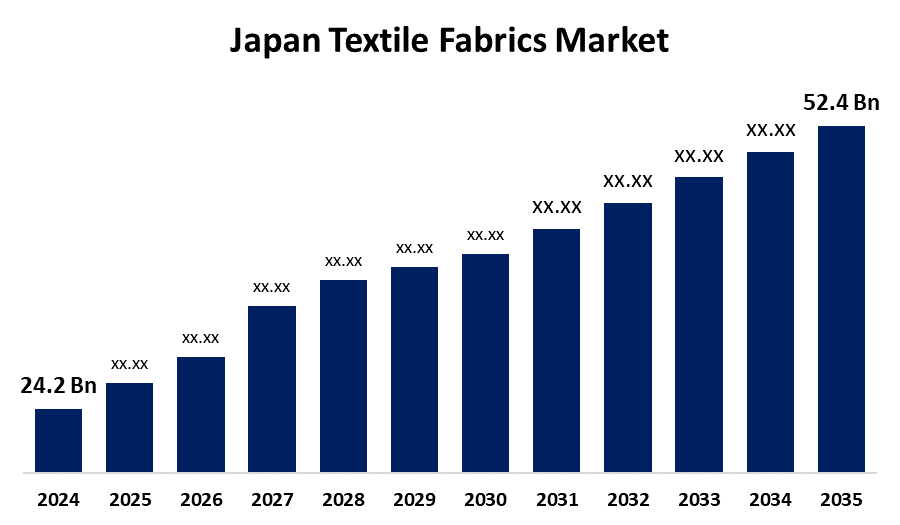
Credit: www.sphericalinsights.com
Comparing Traditional Vs. Modern Fabrics
To see how traditional and modern fabrics stack up, compare these features:
| Feature | Traditional Fabrics | Modern Fabrics |
|---|---|---|
| Origin | Natural fibers (silk, cotton, hemp) | Synthetics and blends (polyester, rayon, Tencel) |
| Care | Hand wash, dry clean | Machine washable, easy care |
| Cost | Often expensive | Usually affordable |
| Comfort | High, especially silk and cotton | Varies, often designed for comfort |
| Eco-friendliness | Natural, biodegradable | Eco blends and recycled options available |
| Cultural Value | High, symbolic | Low, but innovative |
Common Mistakes When Choosing Fabrics For Japanese Market
- Ignoring seasonality: Choosing thick fabrics for summer or thin ones for winter can lead to poor sales.
- Overlooking care needs: Japanese buyers want easy-care fabrics for daily use.
- Missing cultural factors: Some patterns or colors may be linked to specific meanings or occasions.
- Choosing only by price: Low-cost fabrics can hurt brand reputation if quality is poor.
- Neglecting sustainability: Eco-friendly choices are increasingly important to Japanese consumers.
How To Select The Right Fabric For The Japanese Market
If you plan to design, buy, or sell garments in Japan, keep these points in mind:
- Understand your customer: Age, gender, and lifestyle affect fabric choices.
- Match the season: Offer lighter fabrics in spring/summer, heavier ones in fall/winter.
- Think about care: Busy people prefer machine-washable or easy-dry fabrics.
- Quality over quantity: Japanese buyers notice even small details in texture and finish.
- Stay updated: Follow trends in both traditional and tech fabrics.
- Check regulations: Some chemicals and dyes are restricted by Japanese law.
For more on Japanese textiles and garment regulations, the official Japanese Textile Week site is a valuable resource.
Frequently Asked Questions
What Is The Most Popular Fabric For Everyday Clothing In Japan?
For daily wear, cotton is the most common fabric. It’s comfortable, easy to wash, and suits Japan’s climate. Cotton blends and synthetics are also widely used for their easy care.
Why Is Japanese Denim Considered Special?
Japanese denim is famous for its quality, deep indigo color, and traditional weaving methods. Brands in Okayama use old-style looms and hand-finishing, which create fabric that lasts and looks better with age.
Are Traditional Japanese Fabrics Still Used Today?
Yes, traditional fabrics like silk, hemp, and ramie are still used, especially for kimono, festival wear, and special events. They also inspire modern fashion with new blends and designs.
What Makes A Fabric Suitable For The Japanese Market?
A good fabric for Japan should match the season, feel pleasant to the touch, and be easy to care for. Features like quick-drying, UV protection, and eco-friendliness are also highly valued.
How Important Is Sustainability In Japanese Fabric Choices?
Sustainability is becoming more important in Japan. Many buyers look for eco-friendly fabrics like organic cotton, Tencel, and recycled polyester. Brands that focus on sustainability can stand out in the market.
Japan’s garment market is dynamic, with a deep respect for tradition and a hunger for innovation. By understanding the different types of garment fabrics, their uses, and what Japanese consumers look for, you can make smarter choices—whether you’re designing, buying, or simply appreciating Japanese fashion.