
Pp Meeting Interpreter Japanese: Everything You Need To Know
Language is the bridge that connects ideas, people, and businesses. In today’s global world, meetings between international partners are common, and often, these meetings involve Japanese speakers. But language barriers can turn a promising deal into a confusing event. This is where a PP meeting interpreter (Japanese) becomes essential. Whether you are negotiating a contract, discussing a project, or building relationships with Japanese clients, a skilled interpreter can make all the difference.
You may wonder, what does “PP meeting” mean? In many business circles, PP stands for “Pre-Production” or “Project Planning” — stages where every detail matters. Japanese business culture values clarity, politeness, and mutual understanding. A Japanese meeting interpreter does not just translate words; they translate meaning, culture, and intentions.
This article will give you a complete guide to PP meeting interpreters for Japanese. You will learn about their role, skills, types of interpretation, and how to choose the right interpreter for your needs. We will also cover the challenges, costs, etiquette, and best practices.
By the end, you will understand how to ensure your next Japanese business meeting is a success—even if you don’t speak Japanese.
What Is A Pp Meeting Interpreter (japanese)?
A PP meeting interpreter (Japanese) is a language professional who helps people communicate during project planning or pre-production meetings involving Japanese and another language (often English). Their main job is to make sure that all participants understand each other, even if they do not speak the same language.
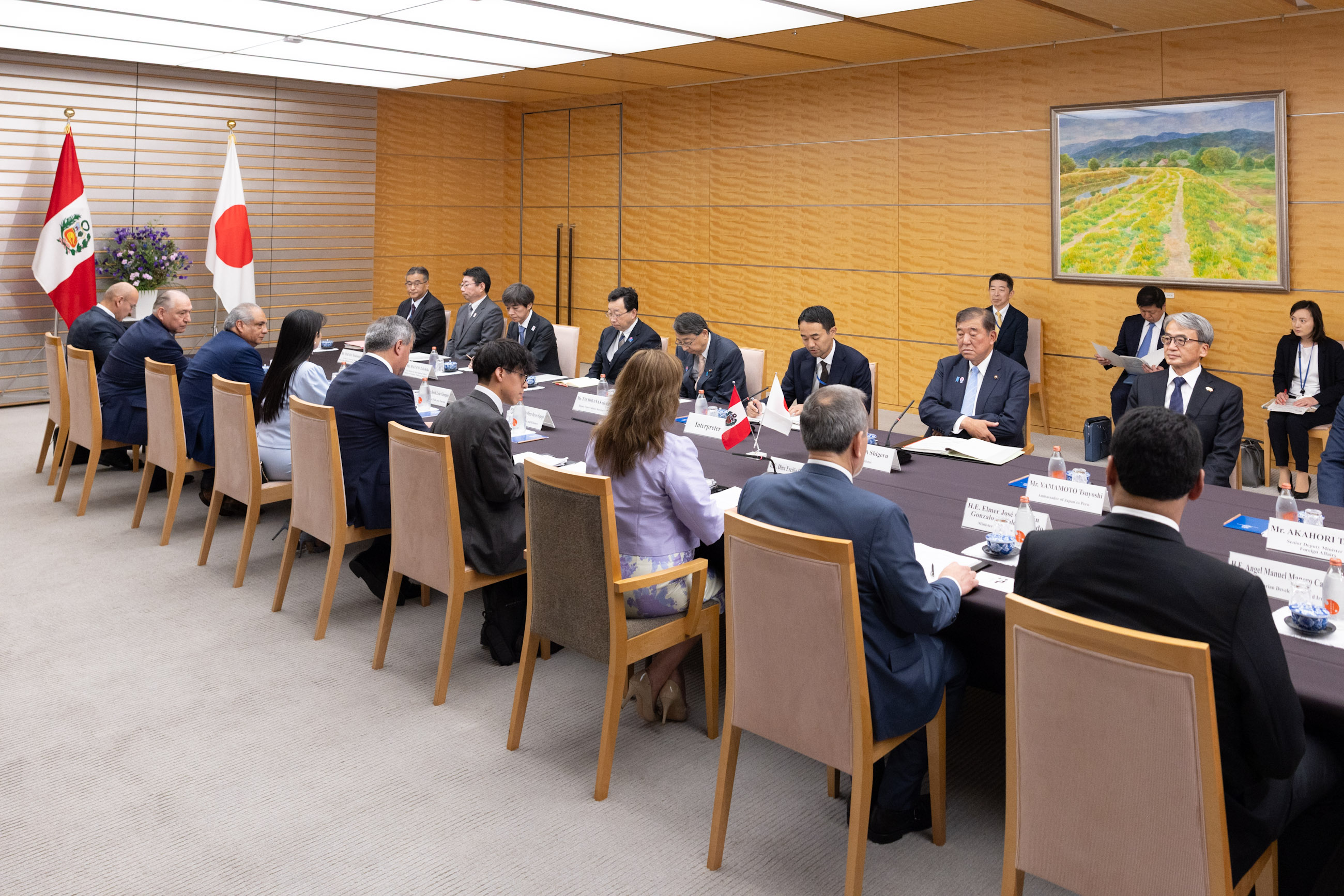
These interpreters work in real-time, listening to what one person says and immediately conveying the message in the other language. But their role goes beyond simple word-for-word translation. They must also capture tone, intent, and cultural nuances. This is especially important in Japanese business meetings, where politeness, indirect language, and “reading the air” (察し, *sasshi*) are important.
PP meeting interpreters often have deep knowledge of the industry, technical terms, and the business process. They may work on-site or remotely (via video calls or conference lines).
A skilled Japanese PP meeting interpreter often acts as a silent partner in the room, supporting both sides. For example, when a Japanese engineer uses a phrase with more than one meaning, the interpreter asks quick clarifying questions, then gives an accurate translation.
Or, if a cultural misunderstanding arises, the interpreter can politely explain the background to avoid any awkward moments. Their presence is often the difference between a meeting that feels tense and one that flows smoothly.
It’s important to remember that Japanese language structure can be very different from English. Sentences are often longer, and the subject is sometimes left out. A professional interpreter knows how to manage these differences so the message is not just understood, but feels natural to both sides.
The Importance Of Japanese Interpreters In Pp Meetings
Choosing to use a Japanese interpreter for a PP meeting is not just about breaking a language barrier. It is about building trust, avoiding misunderstandings, and ensuring that both sides are truly on the same page.
- Clear Communication: Japanese business meetings often involve indirect expressions, honorifics, and unspoken expectations. A skilled interpreter ensures that nothing is lost or misunderstood. For example, when a Japanese manager says, “We will consider your proposal,” it may actually mean “We need more time,” not a direct commitment. The interpreter can signal this subtlety.
- Saving Time and Money: Miscommunications can lead to expensive mistakes, delays, or lost opportunities. An interpreter helps both sides clarify expectations from the start. Imagine investing months in a project only to find the Japanese side expected a different outcome—this is a common risk without good interpretation.
- Professional Image: Using an interpreter shows respect for your Japanese partners. It signals that you value their language and culture, which can strengthen relationships. In Japanese business, first impressions count. Bringing an interpreter can turn a routine meeting into a respectful partnership.
- Risk Reduction: Legal, technical, or financial details must be clear to all parties. A mistake in interpretation could lead to contract disputes or operational errors. For example, confusing “must” and “should” in a technical specification could have serious consequences.
- Cultural Mediation: Japanese business etiquette can be complex. An interpreter can quietly advise you on what to say or do (or avoid), helping you avoid accidental offense. If you are unsure whether to bow or shake hands, or how to exchange business cards, the interpreter can guide you.
- Efficient Negotiation: Japanese meetings may involve long discussions and careful decision-making. An interpreter can help manage the pace, clarify questions, and help both sides stay focused.
- Document Support: Some interpreters can also help translate key documents during or after the meeting, ensuring all follow-up actions are clear.
Non-obvious insight: Many companies do not realize that interpreters can also help with informal communication before and after the meeting. Small talk or social events are important in Japanese business, and having interpretation support during these moments can help build rapport.
Credit: japan.kantei.go.jp
Types Of Interpreting In Japanese Pp Meetings
The right interpreting method depends on the meeting type, size, and goals. Here are the main types used in PP meetings with Japanese:
1. Consecutive Interpreting
The consecutive interpreter listens to a speaker, takes notes, and then translates the message after the speaker finishes a sentence or section. This is common in smaller meetings or negotiations where accuracy is critical.
Pros:
- High accuracy
- Allows time for clarification
Cons:
- Takes more time (meeting can be longer)
- May disrupt the flow of conversation
Consecutive interpreting is often chosen when each side wants to make sure no details are missed. This is useful for legal discussions, technical planning, or when you need to check understanding after each point. For example, during a site visit, the Japanese engineer speaks about a process, and the interpreter delivers the explanation in English, allowing for questions right away.
2. Simultaneous Interpreting
In simultaneous interpreting, the interpreter translates the message in real-time, often with a slight delay of a few seconds. This method is used for large meetings, conferences, or when time is limited. The interpreter may use special equipment (headphones and microphones).
Pros:
- Conversation flows naturally
- Saves time in large meetings
Cons:
- Requires highly skilled interpreters
- More expensive
- Needs technical equipment
Simultaneous interpreting is ideal for project kick-offs with many participants, or events where presentations are made and questions come quickly. The interpreter often works in a soundproof booth, and listeners use headsets. This method is less common for small PP meetings but can be arranged for larger events or when many stakeholders are present.
3. Whispered Interpreting (chuchotage)
The whispered interpreter sits next to one or two participants and quietly translates as the meeting happens. This is useful if only a few people need interpretation.
Pros:
- Discreet
- No special equipment needed
Cons:
- Not suitable for large groups
- Interpreter may become tired quickly
This method is commonly used when a Japanese executive attends an international meeting and needs to follow along. The interpreter whispers the translation, allowing the executive to stay engaged without interrupting the meeting flow.
4. Remote/video Interpreting
With more meetings happening online, many interpreters now work remotely through video or phone calls. This method is flexible and can be arranged quickly.
Pros:
- Easy to arrange
- Can access interpreters from anywhere
Cons:
- Relies on internet quality
- Harder to read body language and non-verbal cues
Remote interpreting is becoming more common, especially for international teams working across time zones. It’s important to choose a platform that allows clear audio and video, and to share all documents in advance.
Comparing Interpreting Methods
Here is a simple comparison of the main interpreting methods for PP meetings:
| Method | Best For | Speed | Accuracy | Equipment Needed |
|---|---|---|---|---|
| Consecutive | Small meetings, negotiations | Slower | High | No |
| Simultaneous | Large meetings, conferences | Fast | High | Yes |
| Whispered | 1-2 people | Real-time | Medium | No |
| Remote/Video | Online meetings | Varies | Medium-High | Internet, devices |
Non-obvious tip: For high-stakes meetings, some companies use both consecutive and simultaneous interpreters. For example, the main presentation is interpreted simultaneously, while side discussions use consecutive interpretation for more detailed negotiation.
Key Skills Of A Japanese Pp Meeting Interpreter
Not everyone who speaks Japanese and another language can be a good interpreter. The best interpreters have a mix of technical, language, and personal skills.
- Language Mastery: Near-native fluency in both Japanese and the target language (often English). They must understand business, technical, and casual language. This means they can understand dialects, accents, and even regional expressions.
- Cultural Knowledge: Deep understanding of Japanese business etiquette, customs, and unspoken rules. For example, knowing when silence means reflection and when it means disagreement.
- Industry Expertise: Familiarity with the specific field (e.g., manufacturing, IT, law, finance). Knowing the right terminology is crucial. An interpreter who knows “kaizen” (continuous improvement) in manufacturing will understand the context without needing extra explanation.
- Active Listening: The ability to listen carefully, remember long sentences, and catch subtle meanings. Japanese speakers sometimes use long sentences with key information at the end—interpreters must wait and listen fully before translating.
- Quick Thinking: Interpreters must process information and translate almost instantly, without losing the message. If a technical term comes up, they must choose the right translation on the spot.
- Emotional Control: Japanese meetings can be formal, and interpreters must stay calm even under pressure. If negotiation becomes tense, interpreters help keep communication smooth and professional.
- Note-Taking: Good interpreters use special note-taking techniques to remember important points. These can include symbols, abbreviations, or even drawing diagrams.
- Ethics and Confidentiality: Respect for privacy and strict rules about keeping business secrets. Interpreters should never share meeting details with outsiders.
Non-obvious Skills
- Reading Between the Lines: In Japanese, people may not say “no” directly. Interpreters must sense what is not said and help both sides understand. For example, “We’ll think about it” often means “We are not interested.”
- Mediating Tension: If disagreements arise, the interpreter can help soften language or clarify misunderstandings politely. For example, if a Japanese manager is unhappy, the interpreter might say, “There are some concerns on their side,” instead of directly criticizing.
- Memory Skills: For consecutive interpreting, remembering long sections of speech is essential. Top interpreters train their memory and use visualization techniques to keep details accurate.
- Voice Control: Interpreters must be able to adjust their tone—formal for board meetings, friendly for team discussions.
- Adaptability: Meetings can go off-script. Good interpreters adjust to new topics or changes without losing quality.

Credit: www.japan-interpreters.org
The Role Of A Japanese Interpreter Before, During, And After Pp Meetings
A professional interpreter’s work starts before the meeting and may continue after it ends.
Before The Meeting
- Preparation: The interpreter studies meeting materials, agenda, and any technical documents. They research company backgrounds, key people, and recent news.
- Terminology Review: They check key terms, acronyms, and industry jargon. For example, learning the latest industry standards or product names.
- Briefing: Sometimes, the interpreter meets with the organizer to understand the meeting goals and possible sensitive topics. This can include discussing personalities, negotiation styles, or company history.
- Technical Setup: For remote meetings, the interpreter tests equipment, software, and internet connection in advance.
- Scenario Planning: Experienced interpreters may prepare for “what if” scenarios, such as handling difficult questions or cultural misunderstandings.
During The Meeting
- Active Interpreting: The interpreter listens, translates, and keeps the conversation flowing. They also watch for non-verbal cues, such as body language or tone of voice.
- Cultural Guidance: They may quietly advise on business customs, such as when to bow, exchange cards, or use honorifics. For example, reminding you to address the most senior person first.
- Clarification: If something is unclear, the interpreter may ask for repetition or rephrasing. They may also suggest a short break if the conversation becomes too fast.
- Managing Flow: If participants start talking over each other, the interpreter can politely ask for one speaker at a time.
- Note-Taking: For long meetings, interpreters keep notes to help with follow-up.
After The Meeting
- Summary: Some interpreters provide a brief recap or summary. This can include main decisions, action items, or points of confusion.
- Follow-up: They may help translate follow-up emails or documents. Sometimes, they clarify points that were unclear during the meeting.
- Feedback: The interpreter may give tips on improving future communication. For example, recommending more time for Q&A or suggesting ways to simplify technical language.
- Record-Keeping: For sensitive meetings, interpreters may destroy notes or confirm that all documents are returned.
Non-obvious tip: Some Japanese interpreters also serve as cultural consultants, helping you prepare gifts, schedule social dinners, or even choose the right seating arrangement for the meeting.
How To Choose The Right Japanese Interpreter For Pp Meetings
Picking the right interpreter is a key decision. The wrong choice can lead to confusion, embarrassment, or lost business. Here’s how to make the right choice:
- Check Qualifications: Look for certifications from groups like the Japan Association of Translators or the American Translators Association. Certified interpreters have passed exams and follow professional standards.
- Experience: Ask about the interpreter’s background in your industry and with PP meetings. An interpreter who has worked with automotive companies will know different terms than one who works in finance.
- References: Request feedback from past clients. If possible, talk to someone who has used the interpreter for similar meetings.
- Language Pair: Confirm the interpreter’s fluency in both languages. Native-level fluency is important, but so is the ability to switch quickly between languages.
- Specialization: Choose someone familiar with your field (e.g., legal, technical, medical). Specialized interpreters understand not only words, but also concepts and industry culture.
- Style Fit: Some interpreters are more formal, others more relaxed. Match the interpreter to your company culture and the meeting’s tone. For example, a tech startup may prefer a casual style, while a government agency needs formality.
- Confidentiality Agreement: Make sure the interpreter is willing to sign an NDA if needed. This is essential for discussing new products, strategies, or legal matters.
- Test Session: For important meetings, arrange a short test to check the interpreter’s skills. A 10-minute trial can reveal a lot about their speed, accuracy, and style.
- Availability: Confirm the interpreter can attend on the required dates and times, especially if working across time zones. Some interpreters book up months in advance.
- Personality Match: If possible, choose an interpreter who matches your team’s working style. Chemistry can make meetings smoother.
Common Mistakes When Choosing An Interpreter
- Choosing the Cheapest Option: Quality matters more than price. Saving money on interpretation can cost you in lost deals or misunderstandings.
- Assuming Bilingual Employees Can Interpret: Professional interpreting is a special skill, not just language knowledge. Employees may lack training in note-taking, cultural nuance, or how to manage tense negotiations.
- Not Discussing Expectations: Be clear about your needs, topics, and style. Some companies forget to tell interpreters about sensitive topics or key goals, leading to confusion.
- Overlooking Cultural Fit: An interpreter who understands your business culture and the Japanese side can bridge gaps more effectively.
Non-obvious insight: For very important meetings, some companies hire two interpreters—a main and a backup—to avoid fatigue and ensure quality for long sessions.
Costs And Pricing For Japanese Pp Meeting Interpreters
The price for a Japanese PP meeting interpreter varies widely, depending on experience, location, and meeting type.
Main Factors Affecting Cost
- Interpreter’s Experience: Senior interpreters with industry experience charge more. Certified interpreters or those with years of experience command higher rates.
- Type of Interpreting: Simultaneous interpreting is more expensive than consecutive. It requires special training and sometimes more than one interpreter for long meetings.
- Meeting Length: Half-day, full-day, or hourly rates. Most interpreters have minimum booking times (e.g., two or three hours).
- Location: In-person interpreters may charge for travel or accommodation. Remote interpreters usually do not charge travel fees.
- Specialization: Technical or legal meetings often cost more. Some fields, such as medical or legal, require extra training and certifications.
- Remote vs. On-site: Remote interpreting may be cheaper. However, for important meetings, in-person is often preferred.
- Urgency: Last-minute bookings can cost up to 50% more.
- Additional Services: If you need document translation, summaries, or extra preparation, there may be extra fees.
Typical Price Ranges
- Consecutive Interpreting: $300–$600 per day
- Simultaneous Interpreting: $500–$1,200 per day
- Remote Interpreting: $50–$150 per hour
Note: Prices may vary by country, interpreter’s reputation, and urgency.
Sample Interpreter Rate Comparison
| Type | Low Range (USD) | High Range (USD) | Notes |
|---|---|---|---|
| Consecutive | $300/day | $600/day | General business meetings |
| Simultaneous | $500/day | $1,200/day | Conferences, technical events |
| Remote/Video | $50/hr | $150/hr | Short online meetings |
How To Save Money Without Sacrificing Quality
- Book interpreters early (last-minute rates are higher).
- Use remote interpreting when possible.
- Share meeting materials in advance for better preparation.
- Hire for only the hours needed.
- Combine meetings if possible, to reduce the number of bookings.
- Negotiate package deals for ongoing projects.
Non-obvious tip: Some interpreters offer discounted rates for non-profit organizations or long-term partnerships. Ask about loyalty discounts if you plan to work together regularly.
Japanese Business Culture And Its Impact On Interpretation
Understanding Japanese business culture is as important as language skills. Here are a few cultural factors that affect how meetings are interpreted:
1. Politeness And Indirect Language
Japanese people often avoid direct refusals or criticism. Instead of saying “no,” they may say “that will be difficult” (それは難しいですね). A good interpreter will explain the real meaning. For example, if a Japanese manager says, “We will review it internally,” it may be a gentle way to reject an idea.
2. Formality And Hierarchy
The use of honorifics and correct titles is important. An interpreter must know when to use “san,” “sama,” or other titles, as well as the right level of politeness. Addressing a senior manager too casually can cause discomfort or even offense.
3. Non-verbal Cues
Bowing, silence, and facial expressions can carry meaning. Interpreters need to “read the room” and sometimes explain these signals to non-Japanese participants. For example, a long silence after a proposal may mean the team is thinking or that there is disagreement.
4. Group Harmony
Maintaining wa (harmony) is a priority. The interpreter must avoid language that could cause embarrassment or conflict. For example, “Your suggestion is not suitable” might be interpreted as “Perhaps we can consider another approach.”
5. Decision-making Process
Japanese meetings may focus on consensus rather than quick decisions. Interpreters should be patient and help all voices be heard. Sometimes, decisions are made after the meeting, not during, as the Japanese team needs to discuss internally.
6. Relationship Building
In Japan, trust and long-term relationships matter. Interpreters can help with introductions, small talk, and social events, which are important parts of the business process.
Example Of A Misunderstanding
In one real case, a Western manager asked, “Can you deliver in two weeks? ” The Japanese partner replied, “That is a little difficult. ” The manager thought this meant “maybe yes,” but in Japanese culture, it was a polite “no.
” The interpreter’s explanation prevented a costly mistake.
Non-obvious insight: Japanese partners may avoid saying “no” even in private. Interpreters sometimes notice hesitation in tone or body language and can suggest a follow-up question to clarify.
Best Practices For Using A Japanese Interpreter In Pp Meetings
To get the most from your interpreter, follow these practical tips:
- Brief the Interpreter: Share meeting goals, agenda, and documents in advance. The more the interpreter knows, the better they can prepare.
- Speak Clearly: Use simple sentences and avoid slang or idioms. Idioms often do not translate well (e.g., “hit the ground running”).
- Pause Often: Give the interpreter time to translate accurately. A good rhythm is to speak two or three sentences at a time, then pause.
- Address People Directly: Speak to your Japanese partners, not the interpreter. This keeps the conversation natural.
- Be Patient: Interpretation takes time. Avoid rushing. Meetings may take longer, but the results will be better.
- Clarify Unclear Points: If you do not understand, ask for clarification. It’s better to ask than to guess.
- Respect the Interpreter: Do not ask them to “improve” or “change” your message. The interpreter’s job is to communicate accurately, not to negotiate for you.
- Watch Non-Verbal Cues: Ask your interpreter if you are unsure about cultural signals. They can explain if a bow is needed, or if a long silence is normal.
- Follow Up in Writing: Send summaries or agreements to confirm understanding. Written confirmation helps avoid future misunderstandings.
Special Tips For Virtual Meetings
- Test your internet and equipment before the meeting.
- Use video if possible (not just audio).
- Arrange for a backup plan if technical problems arise.
- Share screen or documents to help the interpreter follow along.
- Use chat for quick clarifications if needed.
Non-obvious tip: For long meetings, schedule short breaks every 45–60 minutes. Interpreting is mentally demanding, and breaks keep quality high.
Challenges And Solutions In Japanese Meeting Interpretation
Even the best interpreters face challenges. Here are some common problems and how to solve them:
1. Technical Jargon
Problem: Industry-specific terms may be hard to translate on the spot.
Solution: Share glossaries and documents before the meeting. Choose an interpreter with experience in your field. If a new term comes up, pause and explain before moving on.
2. Fast-paced Conversation
Problem: Some meetings move too quickly for accurate interpretation.
Solution: Agree on a slower pace. Ask participants to pause after each point. The interpreter can signal when they need a moment to catch up.
3. Multiple Speakers
Problem: If many people talk at once, it is hard for the interpreter to keep up.
Solution: Set ground rules. Only one person should speak at a time. Use a “moderator” to manage the discussion.
4. Sensitive Topics
Problem: Discussing mistakes, delays, or problems can be uncomfortable.
Solution: The interpreter can use polite language to soften messages. In Japanese culture, indirect expressions are preferred for criticism.
5. Technical Issues (remote Meetings)
Problem: Poor internet can cause delays or misunderstandings.
Solution: Test all equipment and have a backup plan (e.g., phone line). Share all documents in advance in case video or audio is lost.
6. Fatigue
Problem: Long meetings can tire interpreters, leading to mistakes.
Solution: Schedule breaks, and for meetings longer than two hours, consider hiring two interpreters to take turns.
7. Cultural Gaps
Problem: Unspoken cultural rules may be missed by non-Japanese participants.
Solution: Ask the interpreter to explain cultural points as needed. For example, why certain questions are not answered directly.
Non-obvious tip: For very sensitive meetings, consider a short pre-meeting with the interpreter and your team to review possible challenges and solutions.
Case Studies: Real Examples Of Japanese Pp Meeting Interpretation
Case 1: Manufacturing Project Launch
A US company and a Japanese supplier held a PP meeting to plan a factory upgrade. The interpreter prepared by studying technical diagrams and process charts. During the meeting, a Japanese engineer used the word “anzen” (安全), which can mean both “safety” and “security.
” The interpreter clarified the context, preventing a costly mistake in choosing new equipment.
Detail: The US team initially thought the discussion was about physical security, but the Japanese side meant workplace safety. The interpreter’s quick clarification led to the right action plan.
Case 2: It Software Rollout
A Japanese firm and an American software vendor met online to discuss a new system. The interpreter noticed that the Japanese team was silent after a proposal. Instead of moving on, the interpreter explained that silence in Japan can mean “we need to discuss more.
” This insight led to a follow-up meeting and a successful deal.
Insight: The American side learned to use more open-ended questions and gave the Japanese team time to consult internally, improving trust and cooperation.
Case 3: Legal Contract Negotiation
During a contract negotiation, the Japanese side used indirect language to raise concerns about liability clauses. The interpreter carefully explained the concerns without causing conflict. Both sides reached an agreement that respected Japanese risk-avoidance culture.
Extra detail: The interpreter helped the American side understand that a request for “further clarification” was actually a request to soften the language in the contract.
Case 4: Quality Control Audit
In an automotive parts company, a Japanese inspector conducted a quality audit with an American team. The interpreter not only translated discussions but also explained the meaning behind the inspector’s long silences and subtle criticisms. This helped the American team adjust their responses and pass the audit.
Case 5: Marketing Strategy Meeting
A European consumer goods company met with a Japanese distributor to plan a product launch. The interpreter helped bridge differences in consumer habits and marketing styles, explaining Japanese preferences for indirect advertising. The result was a campaign that worked well in Japan.
These examples show that interpreters do more than translate words—they help people truly understand each other.
Technology And The Future Of Japanese Meeting Interpretation
Technology is changing the way interpretation is done. Here are some trends:
1. Remote Interpretation Platforms
More meetings use platforms like Zoom, Webex, or dedicated interpreting apps. This allows companies to access skilled interpreters worldwide, even for short meetings. Some platforms offer built-in interpreting channels so participants can choose their preferred language in real time.
2. Machine Translation
Tools like Google Translate and AI-based apps are improving, but they are not yet suitable for complex business meetings. They cannot handle cultural nuances or sensitive topics. For example, a machine might translate “We will consider it” as a direct “yes,” causing confusion.
3. Hybrid Meetings
Some meetings use both human interpreters and machine translation for less critical parts. For important negotiations, humans are still the best choice. For example, presentations may use AI captions, but Q&A is interpreted by a human.
4. Interpreter Training
New tools help interpreters practice, such as AI simulations and online workshops. This leads to higher quality over time. Interpreters can now train for different accents, technical topics, and even practice under stress.
5. On-demand Services
Some agencies offer “instant” remote interpreting for quick meetings, making it easier for businesses to get support without long lead times.
6. Recording And Review
With virtual meetings, it’s possible to record sessions (with permission). Interpreters can review the recording to ensure all points are clear, or to provide written summaries.
Key Takeaway
Human interpreters are still essential for high-stakes meetings. Technology can assist, but cannot replace cultural understanding and judgment.
How To Prepare For A Pp Meeting With Japanese Interpreting
Preparation is the key to a smooth meeting. Here’s a step-by-step guide:
- Define Objectives: Know what you want to achieve. Are you making decisions, gathering information, or building relationships?
- Select the Interpreter Early: Give them time to prepare. Early booking increases your chance of getting the best match.
- Share Materials: Send agendas, presentations, and glossaries. The more the interpreter knows, the better the results.
- Brief the Interpreter: Explain sensitive topics and desired tone. For example, if you expect tough negotiations, tell the interpreter in advance.
- Test Technical Setup: For remote meetings, check all equipment. This avoids wasted time on the day.
- Set Ground Rules: Agree on how to handle questions or interruptions. Decide who will lead the meeting and how to handle side discussions.
- Schedule Breaks: Interpreting is intense work. Plan short breaks for longer meetings. This keeps everyone fresh.
- Discuss Non-Business Topics: If the meeting includes a meal or social time, let the interpreter know. Small talk is important in Japanese business.
- Confirm Follow-Up: Decide who will prepare minutes or summaries, and if the interpreter is needed for post-meeting actions.
- Check Accessibility: Make sure all materials are accessible and readable for the interpreter (no scanned PDFs, for example).
Example Preparation Timeline
| Time Before Meeting | Action Item |
|---|---|
| 2 weeks | Book interpreter, share agenda |
| 1 week | Send meeting materials, glossary |
| 3 days | Brief interpreter on sensitive issues |
| 1 day | Test equipment, confirm logistics |
| Meeting day | Arrive early, review ground rules |
Non-obvious tip: Prepare a list of names and roles for all participants. Japanese names can be difficult to pronounce for non-Japanese speakers, and the interpreter can help with introductions.
Common Questions And Myths About Japanese Meeting Interpreters
Myth 1: “anyone Who Speaks Japanese Can Interpret.”
Reality: Professional interpreting is a skill. It requires training, practice, and deep knowledge. Many bilingual people struggle to interpret accurately under pressure.
Myth 2: “interpreters Only Translate Words.”
Reality: Good interpreters translate meaning, tone, and culture. They help both sides truly understand.
Myth 3: “interpreters Can Fix Poor Presentations.”
Reality: Interpreters can only do so much. Clear, simple, and organized presentations work best. Overly complex slides or scattered ideas make interpreting difficult for everyone.
Myth 4: “it’s Cheaper To Use An Employee As An Interpreter.”
Reality: Mistakes can be very expensive. Professional interpreters reduce risk. An employee may miss subtle cultural cues or make errors with technical terms.
Myth 5: “machine Translation Is Good Enough Now.”
Reality: Machines still struggle with nuance, technical language, and business etiquette. Even the best apps can make mistakes that cause confusion or offense.
Myth 6: “interpreters Are Only For Big Companies.”
Reality: Small and medium businesses benefit just as much. Even one successful meeting can pay for the cost of an interpreter.
Myth 7: “interpreters Can Do Everything At Once.”
Reality: Interpreters need preparation and breaks, especially for long or complex meetings. Overworking leads to mistakes.
Non-obvious insight: Some cultures use “yes” to mean “I hear you,” not “I agree.” A skilled interpreter will help clarify these moments.
How To Find And Hire A Japanese Pp Meeting Interpreter
The best interpreters are often booked in advance. Here’s how to find and hire one:
- Contact Agencies: Many agencies specialize in Japanese interpreting. They can match you with interpreters who fit your needs.
- Check Professional Organizations: Groups like the Japan Association of Translators have member directories. This is a good way to find certified professionals.
- Ask for Recommendations: Other businesses may know reliable interpreters. Personal referrals often lead to better matches.
- Use Online Platforms: Websites like ProZ and TranslatorsCafe list freelance interpreters. You can search by location, language pair, and specialization.
- Interview Candidates: Test their skills before hiring. Ask about experience, style, and industry knowledge.
- Review Contracts: Confirm rates, confidentiality, and cancellation terms. Make sure all fees are clear.
Red Flags To Avoid
- Unclear pricing or vague contracts.
- No references or reviews.
- Poor communication or late replies.
- Reluctance to sign confidentiality agreements.
- Lack of preparation or unwillingness to learn about your project.
For more details on language interpretation and standards, visit the Wikipedia page on Language Interpretation.
The Value Of Investing In A Skilled Japanese Interpreter
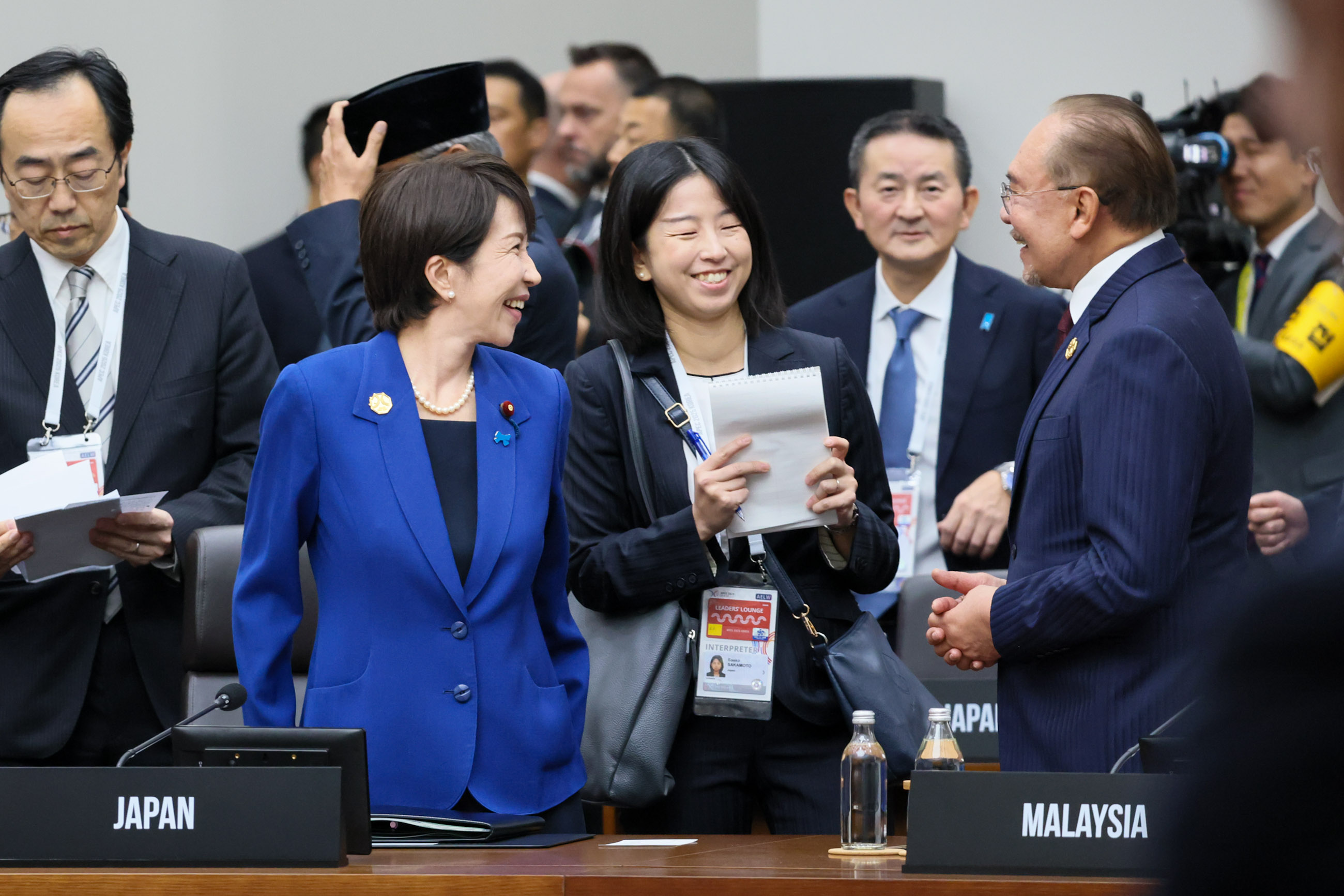
Hiring a skilled interpreter is an investment in your business’s success in Japan. The value goes beyond simple translation:
- Better Relationships: Respect for language and culture builds trust. Japanese partners are more open when they feel understood.
- Fewer Mistakes: Clear understanding reduces risk. Even small misunderstandings can lead to big problems in contracts or projects.
- Faster Agreements: Less time is wasted clarifying details. Meetings are more productive.
- Stronger Reputation: You show professionalism and care. This helps you win more business and build your brand in Japan.
- Smooth Process: Interpreters help you navigate complex etiquette, making meetings less stressful.
Even if you speak some Japanese, a professional interpreter ensures nothing is lost. In high-stakes meetings, that peace of mind is worth the cost.
Non-obvious insight: The long-term value of an interpreter often shows up in ongoing relationships and repeat business. A good start with an interpreter can lead to years of successful cooperation.
Credit: japan.kantei.go.jp
Frequently Asked Questions
What Is The Difference Between A Translator And An Interpreter?
Translator works with written text, changing documents from one language to another. Interpreter works with spoken language, translating in real-time during meetings or calls.
How Far In Advance Should I Book A Japanese Interpreter For A Pp Meeting?
It is best to book at least 2 weeks in advance, especially for in-demand interpreters or technical meetings. For urgent needs, remote interpreters may be available on short notice, but expect higher rates.
Can I Use Machine Translation For A Japanese Pp Meeting?
Machine translation is improving but is not reliable for business meetings where nuance, culture, and accuracy matter. It may help with simple emails or documents but is risky for live meetings.
What Should I Share With The Interpreter Before The Meeting?
Share the agenda, list of participants, presentations, technical documents, and any special terminology. Also, brief the interpreter on sensitive topics or desired tone.
Is It Better To Use A Local Japanese Interpreter Or Someone Remote?
Both have advantages. Local interpreters know the area and culture better. Remote interpreters are flexible and can join online meetings. For high-stakes meetings, in-person is best; for routine updates, remote works well.
Do Interpreters Follow A Code Of Ethics?
Yes. Professional interpreters follow strict rules about confidentiality, accuracy, and impartiality. They do not share meeting details with outsiders.
Can Interpreters Help With Social Events?
Often, yes. Many interpreters are happy to help with dinners, tours, or social activities related to business. Just be clear about expectations and timing.
How Long Can An Interpreter Work Without A Break?
Most interpreters recommend a 10-minute break every 45–60 minutes. For meetings longer than two hours, two interpreters may take turns.
What If I Need Interpretation For A Highly Technical Topic?
Choose an interpreter with experience in your field. Share all documents, diagrams, and glossaries in advance. Consider a short pre-meeting to review key terms.
Final Thoughts
The role of a PP meeting interpreter (Japanese) is critical for any business working with Japanese partners. They do much more than translate—they bridge cultures, prevent mistakes, and help you build lasting relationships. Choosing the right interpreter, preparing well, and respecting the process can turn a difficult meeting into a successful one. As the world becomes more connected, the value of skilled interpreters will only grow. For your next Japanese PP meeting, make interpretation a priority—you’ll see the difference in every handshake, agreement, and shared success.